
 EN
EN
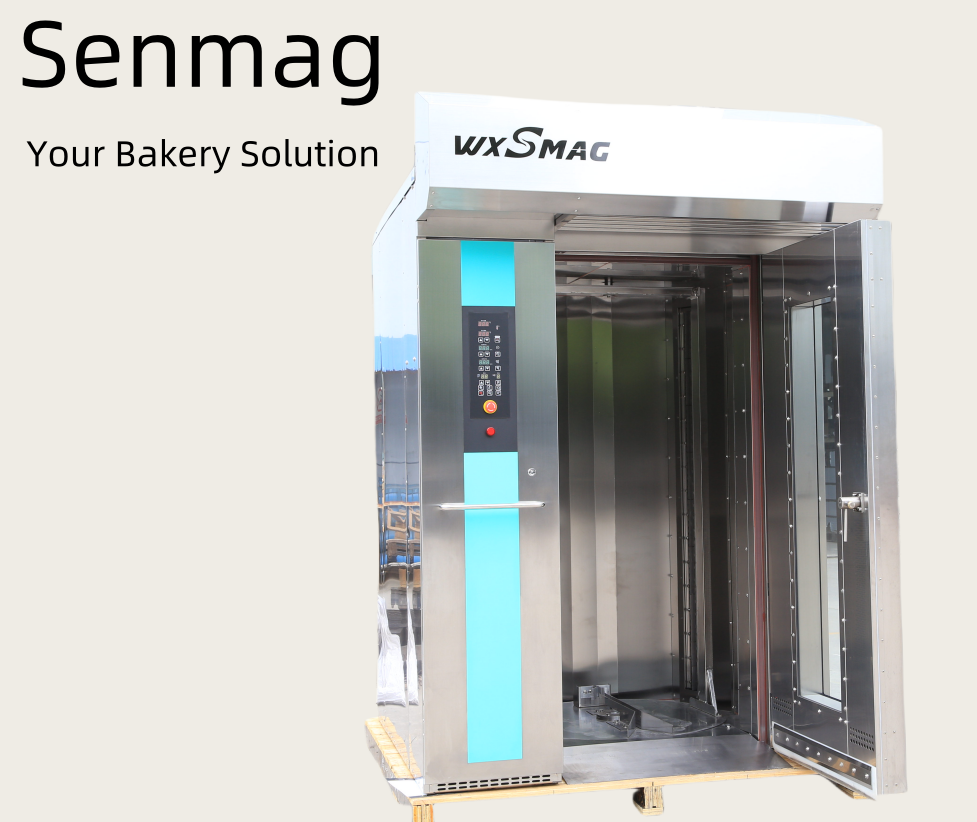
Maintaining your commercial baking equipment is crucial for producing consistently high-quality bread products and extending equipment lifespan. A well-maintained baguette oven not only ensures optimal baking performance but also reduces energy consumption and prevents costly breakdowns. Professional bakers understand that regular maintenance routines can mean the difference between perfectly golden loaves and disappointing results that affect customer satisfaction and profitability.
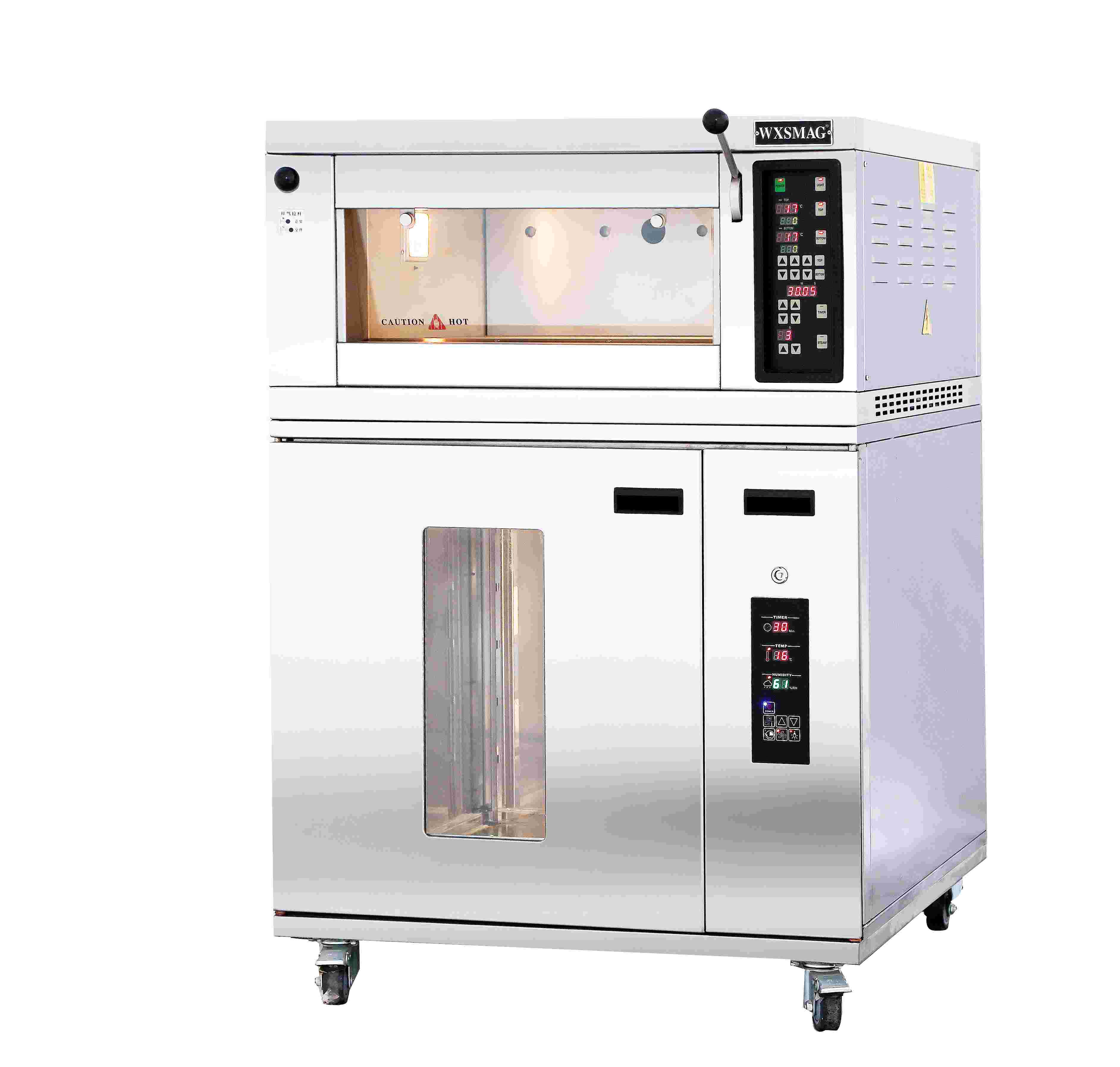
Daily Maintenance Procedures
Interior Cleaning and Inspection
Begin each day by thoroughly inspecting the interior chamber of your baguette oven for any debris, flour buildup, or damage to the heating elements. Remove any leftover crumbs or dough fragments that may have accumulated during previous baking sessions. These particles can burn during heating cycles, creating unwanted smoke and affecting the flavor profile of your baked goods. Use a soft-bristled brush or vacuum specifically designed for commercial ovens to clean hard-to-reach areas.
Check the condition of the oven floor or baking stones for cracks or excessive wear. Any damaged surfaces should be addressed immediately to prevent further deterioration. Inspect door seals and gaskets for tears or hardening, as compromised seals can lead to heat loss and uneven baking temperatures. Document any issues you discover during daily inspections to track patterns and schedule appropriate repairs.
Temperature Verification and Calibration
Accurate temperature control is essential for achieving consistent baking results with your baguette oven. Use a calibrated thermometer to verify that displayed temperatures match actual chamber temperatures across different zones. Many professional ovens feature multiple temperature sensors, and discrepancies between readings can indicate sensor malfunction or calibration drift. Record temperature readings at various locations within the oven chamber to identify hot spots or cold zones that may require adjustment.
Perform temperature verification tests before beginning production each day, allowing sufficient preheating time for the oven to reach stable operating conditions. If you notice temperature variations exceeding manufacturer specifications, contact qualified service technicians for professional calibration. Maintaining accurate temperature control prevents overbaking, underbaking, and ensures uniform product quality that meets customer expectations.
Weekly Deep Cleaning Protocols
Heating Element Maintenance
Weekly maintenance should include thorough cleaning of heating elements to remove accumulated grease, flour dust, and other contaminants that can reduce heating efficiency. Allow the baguette oven to cool completely before beginning cleaning procedures to prevent burns and ensure safe working conditions. Use manufacturer-approved cleaning solutions and non-abrasive tools to avoid damaging sensitive heating components.
Inspect heating elements for signs of corrosion, cracking, or other damage that could compromise performance or safety. Replace any damaged elements immediately using genuine manufacturer parts to maintain warranty coverage and optimal performance. Check electrical connections for tightness and signs of overheating, such as discolored wiring or burnt terminals. Loose connections can create dangerous electrical hazards and reduce heating element lifespan significantly.
Steam System Cleaning and Testing
Many modern baguette ovens feature steam injection systems that require regular maintenance to prevent mineral buildup and ensure proper operation. Drain and flush steam generation systems weekly using distilled water and appropriate descaling solutions recommended by the manufacturer. Mineral deposits from hard water can clog steam nozzles and reduce steam output, affecting crust development and overall bread quality.
Test steam injection functionality by running a complete cycle and observing steam distribution patterns throughout the baking chamber. Uneven steam distribution can result in inconsistent crust formation and color variations across different areas of the oven. Clean steam nozzles using soft brushes and ensure all passages remain clear of obstructions. Replace water filters according to manufacturer schedules to maintain water quality and prevent system contamination.
Monthly Comprehensive Inspections
Ventilation System Assessment
Proper ventilation is critical for maintaining optimal baking conditions and ensuring safe operation of your baguette oven equipment. Monthly inspections should include thorough examination of exhaust fans, ductwork, and air circulation systems. Clean or replace air filters as needed to maintain adequate airflow and prevent contamination of baking chambers. Restricted airflow can cause temperature fluctuations and create unsafe operating conditions.
Inspect exhaust ducts for grease buildup, corrosion, or obstructions that could impede proper ventilation. Schedule professional duct cleaning services when necessary to maintain fire safety standards and ensure compliance with local health department regulations. Test exhaust fan operation at various speeds to verify proper functionality and adequate air movement throughout the baking area.
Safety System Verification
Monthly maintenance routines must include comprehensive testing of all safety systems integrated into your baguette oven. Verify operation of emergency shutoff switches, over-temperature protection systems, and gas safety valves if applicable. Test door interlocks to ensure heating elements automatically shut down when doors are opened during operation. These safety features protect both equipment and personnel from potential hazards.
Document safety system test results and maintain detailed maintenance records for insurance and regulatory compliance purposes. Schedule professional safety inspections annually or as required by local regulations to ensure continued safe operation. Address any safety system malfunctions immediately and avoid using equipment until repairs are completed by qualified technicians.
Preventive Maintenance Scheduling
Component Replacement Planning
Developing a proactive component replacement schedule helps prevent unexpected breakdowns and maintains consistent baguette oven performance. Track operating hours and cycles for major components such as heating elements, thermostats, and circulation fans to predict replacement needs before failures occur. Maintain inventory of critical spare parts to minimize downtime when replacements become necessary.
Work with equipment suppliers to establish recommended replacement intervals based on usage patterns and operating conditions in your facility. Heavy production schedules may require more frequent component replacement compared to lighter usage environments. Consider upgrading to higher-efficiency components when replacements are needed to improve energy consumption and performance characteristics.
Professional Service Integration
While daily and weekly maintenance tasks can be performed by trained staff, certain procedures require professional service technician expertise. Schedule quarterly professional inspections to identify potential issues that may not be apparent during routine maintenance activities. Professional technicians have specialized tools and training to perform complex diagnostic procedures and calibrations that ensure optimal equipment performance.
Establish service agreements with qualified technicians who understand the specific requirements of commercial baguette oven systems. Regular professional maintenance helps maintain manufacturer warranty coverage and ensures compliance with safety regulations. Document all professional service activities and maintain comprehensive maintenance records for future reference and regulatory compliance purposes.
Troubleshooting Common Issues
Temperature Control Problems
Temperature inconsistencies are among the most common issues affecting baguette oven performance and product quality. When experiencing temperature control problems, first verify that temperature sensors are clean and properly positioned within the baking chamber. Contaminated or misaligned sensors can provide inaccurate readings that affect automatic temperature control systems. Check sensor wiring for damage or loose connections that could cause erratic readings.
Inspect heating element condition and electrical connections if temperature recovery times seem slower than normal. Worn heating elements may draw excessive current or provide insufficient heat output, resulting in longer heating cycles and inconsistent baking results. Monitor power consumption patterns to identify heating elements operating outside normal parameters, which may indicate impending failure requiring replacement.
Steam System Malfunctions
Steam injection problems can significantly impact crust development and overall bread quality in commercial baking operations. When steam output appears reduced or uneven, check water supply pressure and flow rates to ensure adequate supply to steam generation systems. Low water pressure can prevent proper steam production and affect timing of steam injection cycles during baking processes.
Examine steam nozzles for mineral buildup or debris that may restrict steam flow patterns. Clean nozzles using appropriate descaling solutions and soft brushes to restore proper operation without damaging delicate components. Test steam timing controls to verify proper coordination between baking cycles and steam injection sequences, which are critical for achieving desired crust characteristics in artisan bread production.
FAQ
How often should I clean the interior of my baguette oven
The interior of your baguette oven should be cleaned daily after each use to prevent flour and debris buildup. Remove crumbs and residue while the oven is still warm but not hot, making cleaning easier and more effective. Weekly deep cleaning should include thorough scrubbing of all interior surfaces and inspection of heating elements for accumulated contaminants.
What temperature accuracy should I expect from a properly maintained baguette oven
A well-maintained baguette oven should maintain temperature accuracy within plus or minus 10 degrees Fahrenheit of set points throughout the baking chamber. Variations exceeding this range indicate potential calibration issues or equipment problems requiring professional attention. Regular temperature verification using calibrated thermometers helps identify accuracy problems before they affect product quality.
When should I replace heating elements in my baguette oven
Heating elements typically require replacement when they show visible damage such as cracking, corrosion, or burn marks, or when temperature recovery times become noticeably longer. Most commercial heating elements last 12-18 months under normal operating conditions, but heavy usage may require more frequent replacement. Monitor power consumption and heating performance to identify elements operating outside normal parameters.
How can I prevent steam system mineral buildup in my baguette oven
Prevent mineral buildup by using filtered or distilled water in steam systems and performing weekly descaling procedures with manufacturer-approved solutions. Install water softening equipment if your facility has particularly hard water to reduce mineral content entering the steam generation system. Regular flushing and filter replacement according to manufacturer schedules helps maintain optimal steam system performance and prevents costly repairs.