
 EN
EN
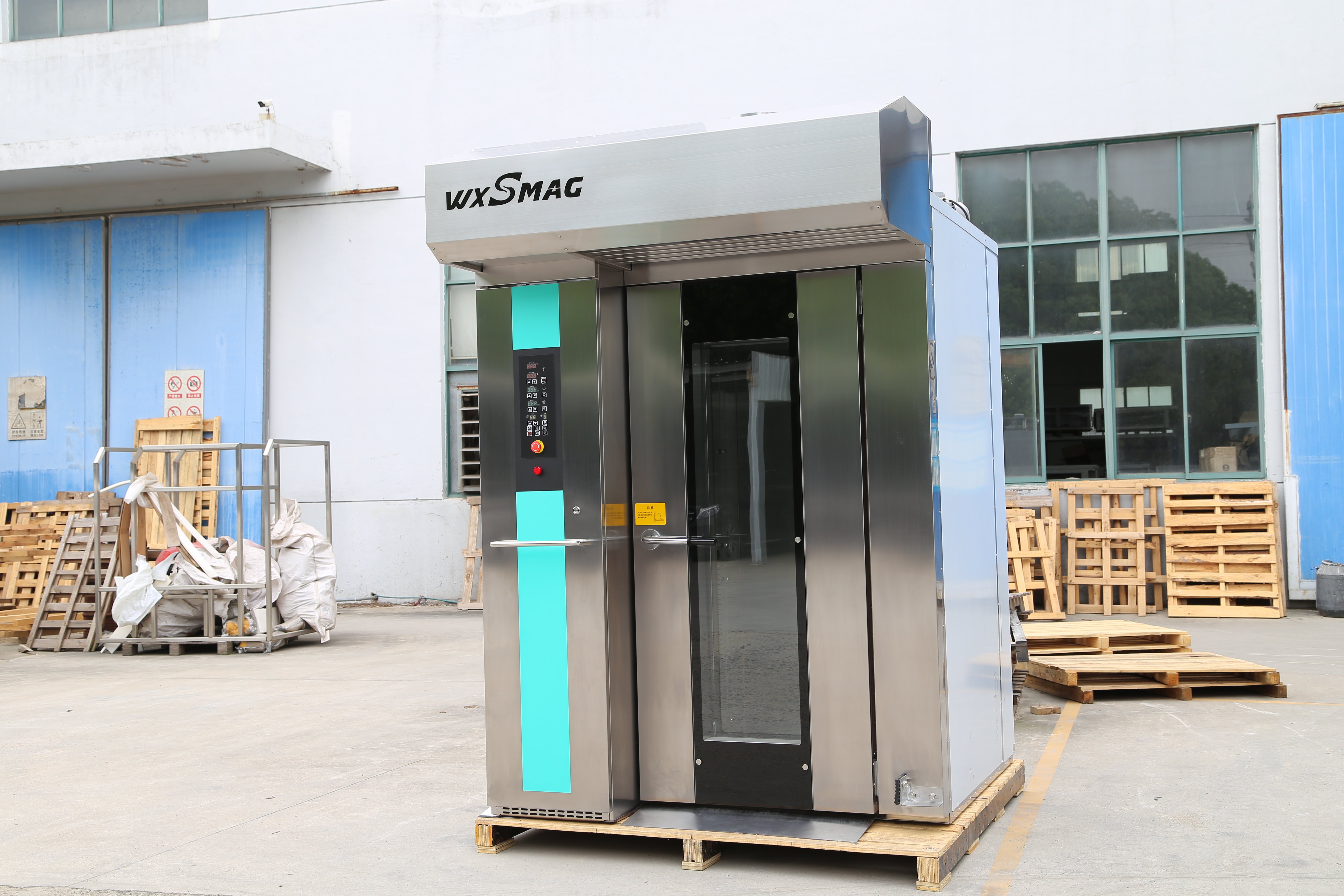
Selecting the right equipment for your bakery is a critical decision that directly impacts product quality, operational efficiency, and overall profitability. When it comes to producing authentic French baguettes with the perfect crust and crumb structure, investing in a specialized baguette oven becomes essential for commercial bakeries seeking to deliver exceptional results consistently. The distinctive elongated shape and traditional baking requirements of baguettes demand specific oven features that standard commercial ovens may not provide effectively.
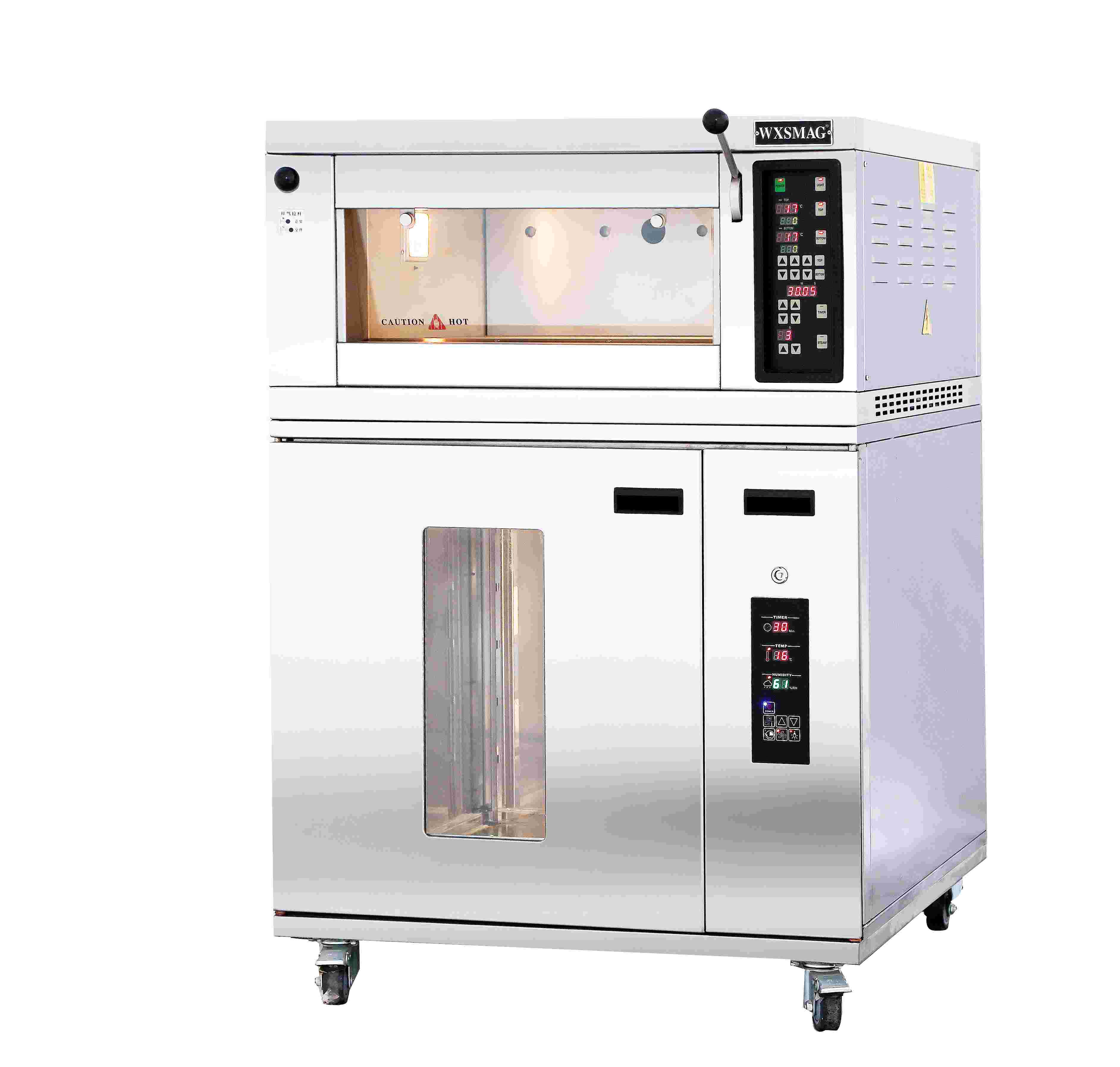
Understanding Baguette Baking Requirements
Temperature Control and Heat Distribution
Professional baguette production requires precise temperature management throughout the baking process. A quality baguette oven must maintain consistent temperatures between 450-475°F while providing even heat distribution across the entire baking chamber. This temperature range ensures the development of the characteristic golden-brown crust while allowing the interior crumb to achieve proper texture and moisture content. Uneven heating can result in inconsistent crust development and compromised product quality.
The heat distribution system plays a crucial role in achieving uniform baking results across multiple baguettes simultaneously. Advanced oven designs incorporate sophisticated air circulation systems that eliminate hot spots and cold zones within the baking chamber. This technology ensures that baguettes positioned at different locations within the oven receive identical heat exposure, resulting in consistent product quality regardless of rack position.
Steam Injection Capabilities
Steam injection represents one of the most critical features in professional baguette baking equipment. The initial burst of steam during the first few minutes of baking creates the ideal environment for crust development while preventing premature hardening of the dough surface. This process allows the baguette to achieve maximum expansion and develop the characteristic thin, crispy crust that defines authentic French bread.
Modern baguette ovens incorporate programmable steam injection systems that deliver precise amounts of moisture at specific intervals during the baking cycle. These systems typically feature multiple steam injection points strategically positioned throughout the baking chamber to ensure uniform moisture distribution. The ability to control steam timing and intensity allows bakers to customize the baking process based on specific dough formulations and desired crust characteristics.
Oven Types and Configurations
Deck Oven Systems
Deck ovens remain the preferred choice for artisanal baguette production due to their ability to replicate traditional stone hearth baking conditions. These ovens feature thick stone or ceramic deck surfaces that absorb and radiate heat evenly, creating the ideal baking environment for achieving authentic crust texture and flavor development. The thermal mass of the deck material provides consistent heat transfer that continues throughout the baking cycle, ensuring thorough cooking from bottom to top.
Professional deck ovens designed for baguette production typically offer multiple baking chambers or decks, allowing bakeries to increase production capacity while maintaining individual control over each baking zone. This configuration enables simultaneous baking of different products or multiple batches of baguettes at various stages of the baking process. The independent control systems for each deck provide flexibility in managing production schedules and product variety.
Convection and Combination Systems
Convection-based baguette ovens utilize forced air circulation to achieve rapid and uniform heat transfer throughout the baking chamber. These systems excel in high-volume production environments where consistent results and reduced baking times are priorities. The controlled airflow patterns help maintain uniform temperature distribution while supporting efficient moisture management during the baking process.
Combination ovens that integrate both convection and steam capabilities offer versatility for bakeries producing diverse product lines alongside baguettes. These units provide the flexibility to adjust between different baking modes depending on product requirements, making them ideal for establishments that need to maximize equipment utilization across multiple product categories while maintaining specialized capabilities for baguette oven applications.
Capacity and Production Considerations
Determining Production Volume Requirements
Accurately assessing production volume requirements forms the foundation for selecting appropriate baguette oven capacity. Bakeries must evaluate current demand patterns, projected growth, and peak production periods to determine the optimal oven size and configuration. Understanding these factors prevents both under-capacity situations that limit sales opportunities and over-investment in excessive capacity that impacts operational efficiency.
Production planning should account for the complete baguette production cycle, including proofing time, baking duration, and cooling periods. A properly sized baguette oven enables smooth workflow management while maintaining product quality standards during peak demand periods. Consider factors such as batch sizes, baking frequency, and the need for simultaneous production of different bread varieties when evaluating capacity requirements.
Space Optimization and Layout Integration
Effective space utilization requires careful consideration of oven dimensions, clearance requirements, and integration with existing bakery equipment. Modern baguette ovens are available in various configurations designed to maximize production capacity within limited floor space. Vertical deck configurations and modular designs allow bakeries to optimize their production area while maintaining efficient workflow patterns.
The oven placement should facilitate smooth product flow from mixing and shaping stations through proofing areas to the final baking stage. Proper ventilation clearances and maintenance access must be incorporated into the layout design to ensure safe operation and efficient servicing. Consider the positioning of utilities, including electrical connections, gas lines, and water supply for steam systems when planning oven installation.
Energy Efficiency and Operating Costs
Fuel Type and Consumption Analysis
Energy costs represent a significant portion of bakery operating expenses, making fuel efficiency a critical factor in oven selection. Gas-fired baguette ovens typically offer lower operating costs compared to electric units, particularly in regions where natural gas prices remain competitive. However, electric ovens may provide more precise temperature control and easier installation in facilities lacking gas infrastructure.
Modern baguette oven designs incorporate advanced insulation materials and heat recovery systems that minimize energy waste and reduce operational costs. These efficiency improvements not only lower utility expenses but also contribute to more sustainable bakery operations. Evaluate the total cost of ownership, including initial purchase price, installation costs, and projected energy consumption over the equipment's operational lifespan.
Maintenance and Operational Efficiency
Regular maintenance requirements directly impact operational efficiency and long-term equipment performance. High-quality baguette ovens feature accessible components and user-friendly maintenance procedures that minimize downtime and service costs. Consider the availability of replacement parts, local service support, and the manufacturer's reputation for reliability when evaluating different oven options.
Automated systems and digital controls in modern baguette ovens reduce labor requirements while improving consistency and reducing the potential for operator error. These features contribute to overall operational efficiency by streamlining production processes and enabling staff to focus on other critical bakery operations. Investment in advanced control systems often provides long-term benefits through reduced labor costs and improved product consistency.
Advanced Features and Technology Integration
Digital Control Systems
Contemporary baguette ovens incorporate sophisticated digital control systems that enable precise management of temperature, humidity, and timing parameters. These systems allow bakers to store multiple baking programs tailored to different product specifications, ensuring consistent results across various shifts and operators. Programmable controls eliminate guesswork and reduce the dependency on individual skill levels for achieving optimal baking results.
Advanced control interfaces provide real-time monitoring capabilities that track oven performance and alert operators to any deviations from programmed parameters. Data logging features enable bakeries to maintain detailed production records for quality control purposes and identify opportunities for process optimization. Integration with bakery management systems allows for comprehensive production tracking and inventory management.
Safety and Compliance Features
Modern baguette ovens incorporate comprehensive safety systems designed to protect both operators and facilities. Automatic shut-off mechanisms, temperature monitoring systems, and ventilation controls ensure safe operation while meeting regulatory compliance requirements. These safety features not only protect personnel but also help prevent equipment damage and reduce insurance liability.
Compliance with local health department regulations and building codes requires careful attention to oven specifications and installation requirements. Professional baguette ovens typically include certification documentation and design features that facilitate regulatory approval processes. Consider consulting with local authorities and professional installers to ensure full compliance with applicable regulations and standards.
FAQ
What size baguette oven is appropriate for a small artisanal bakery
For small artisanal bakeries producing 100-300 baguettes daily, a single or double-deck oven with 4-6 baking positions per deck typically provides adequate capacity. Consider models that offer 18-24 baguettes per batch to maintain efficient production flow while allowing for product variety. The key is selecting equipment that matches current demand while providing some growth capacity without excessive over-investment in unused capability.
How important is steam injection for baguette baking quality
Steam injection is absolutely critical for authentic baguette production, as it enables proper crust development and maximum oven spring. Without adequate steam during the initial baking phase, baguettes will develop thick, tough crusts and fail to achieve the characteristic light, airy texture. Professional baguette ovens should include programmable steam systems that deliver precise moisture control throughout the baking cycle for consistent, high-quality results.
What maintenance requirements should be expected for commercial baguette ovens
Regular maintenance includes daily cleaning of baking surfaces, weekly deep cleaning of steam systems, and monthly inspection of heating elements and controls. Most commercial baguette ovens require professional service every 6-12 months for calibration and component inspection. Proper maintenance extends equipment life, maintains energy efficiency, and ensures consistent baking performance while preventing costly repairs and unexpected downtime.
Can a baguette oven be used for other bread products effectively
Yes, most baguette ovens are versatile enough to accommodate various bread products including artisanal loaves, rolls, and pastries. The steam injection and temperature control capabilities that benefit baguette production also enhance the quality of other yeast-based products. However, maximum efficiency is achieved when the oven size and configuration match the primary products being produced, with secondary applications being an added benefit rather than the primary design consideration.