
 EN
EN
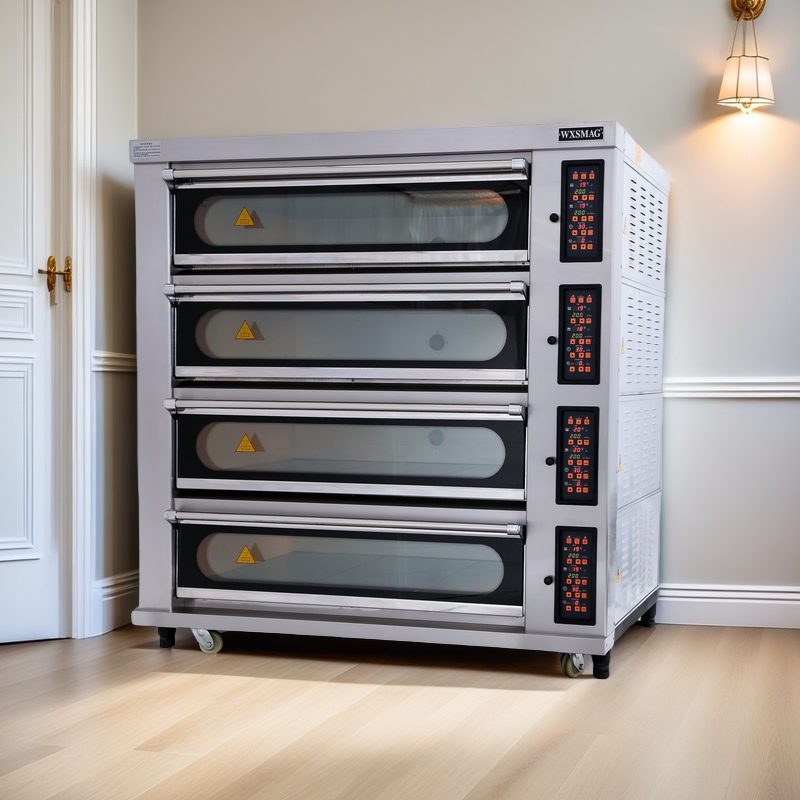
Selecting the right bakery equipment is a critical decision that can make or break your baking business. Whether you're opening a new bakery, expanding an existing operation, or upgrading outdated machinery, the choices you make will directly impact your product quality, operational efficiency, and bottom line. Understanding the key factors that influence equipment selection will help you make informed decisions that support long-term success in the competitive baking industry.
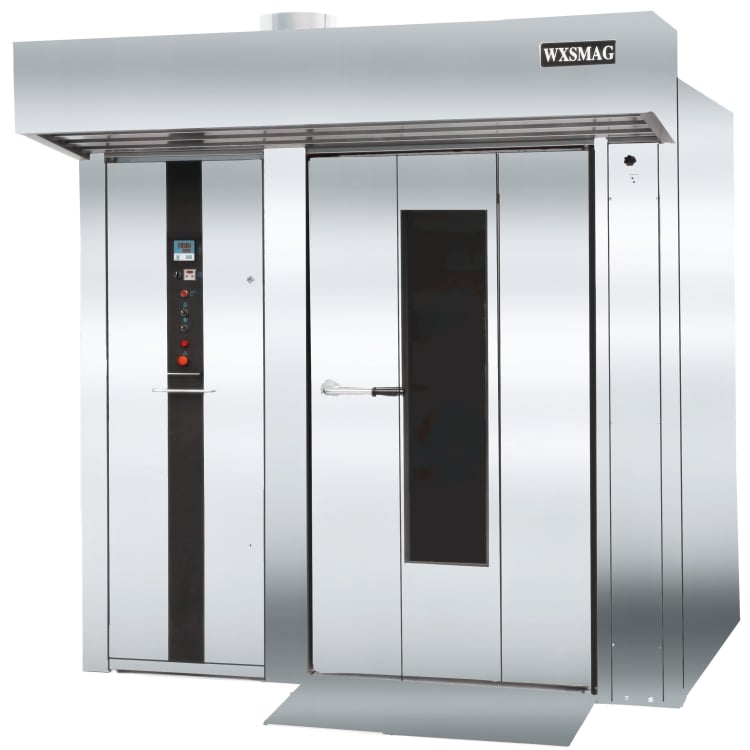
The modern bakery landscape demands equipment that delivers consistency, reliability, and versatility. From artisanal bread shops to large-scale commercial operations, every bakery faces unique challenges that require tailored solutions. The right equipment not only enhances production capabilities but also ensures food safety compliance, reduces labor costs, and maintains the quality standards that customers expect.
Understanding Your Production Requirements
Assessing Volume and Capacity Needs
Before investing in any bakery equipment, you must thoroughly evaluate your current and projected production volumes. This assessment forms the foundation of your equipment selection strategy. Consider your daily, weekly, and seasonal production patterns, as well as anticipated growth over the next three to five years. Understanding these patterns helps determine the capacity requirements for each piece of equipment.
Production capacity planning involves more than just counting loaves or pastries. You need to consider batch sizes, production cycles, and peak demand periods. For instance, if your bakery experiences heavy morning rushes, you'll need equipment that can handle rapid turnaround times while maintaining consistent quality. Similarly, seasonal variations in demand may require flexible equipment solutions that can scale up or down as needed.
Document your current production workflows and identify bottlenecks that limit your output. This analysis reveals where new or upgraded equipment can have the greatest impact on efficiency. Pay attention to labor-intensive processes that could benefit from automation, as well as manual operations that create quality inconsistencies.
Analyzing Product Mix and Specialization
The types of baked goods you produce significantly influence your equipment requirements. A bakery specializing in artisanal breads has different needs than one focused on decorated cakes or pastries. Evaluate your current product mix and consider how it might evolve as your business grows. This forward-thinking approach ensures your equipment investments remain relevant and valuable over time.
Specialty products often require specific equipment features or capabilities. For example, producing croissants demands precise temperature control and lamination capabilities, while bread production requires robust mixing and proofing equipment. Understanding these technical requirements helps you prioritize features when comparing different equipment options.
Consider the versatility factor when selecting bakery equipment. Multi-purpose equipment that can handle various products may offer better value than single-purpose machines, especially for smaller operations with diverse product lines. However, specialized equipment often provides superior results for specific applications, making it worthwhile for bakeries with focused product offerings.
Budget Planning and Financial Considerations
Initial Investment vs Long-term Value
Equipment purchases represent significant capital investments that require careful financial planning. While it's tempting to focus solely on initial purchase prices, successful bakery owners consider the total cost of ownership over the equipment's lifespan. This comprehensive approach includes purchase price, installation costs, training expenses, maintenance requirements, and energy consumption.
High-quality bakery equipment typically commands premium prices but often delivers superior long-term value through improved reliability, lower maintenance costs, and better energy efficiency. Cheaper alternatives may seem attractive initially but can result in higher operating costs, frequent repairs, and production disruptions that ultimately cost more than investing in quality equipment from the start.
Develop a realistic budget that accounts for all equipment-related expenses, including installation, training, and initial maintenance supplies. Factor in potential financing costs if you plan to lease or finance equipment purchases. Remember that equipment investments should generate positive returns through increased production capacity, improved efficiency, or enhanced product quality.
Financing Options and Payment Strategies
Various financing options exist for bakery equipment purchases, each with distinct advantages and considerations. Traditional bank loans offer ownership benefits and potential tax advantages but require strong credit profiles and collateral. Equipment leasing provides lower upfront costs and may include maintenance packages, but results in higher total costs over time.
Manufacturer financing programs often feature competitive rates and terms tailored to equipment purchases. These programs may include deferred payment options, seasonal payment structures, or bundled service packages that align with bakery cash flow patterns. Research all available options and compare total costs, not just monthly payments.
Consider the tax implications of different financing structures. Equipment purchases may qualify for depreciation benefits or investment tax credits, while leasing payments are typically fully deductible as operating expenses. Consult with accounting professionals to understand how different financing approaches impact your overall tax situation.
Technical Specifications and Performance Features
Power Requirements and Infrastructure Needs
Modern bakery equipment often requires substantial electrical power, gas connections, or steam supplies that may exceed your current facility capabilities. Assess your existing infrastructure before selecting equipment to avoid costly upgrades or installation delays. Work with qualified contractors to evaluate electrical capacity, gas line sizes, ventilation requirements, and structural support needs.
Energy efficiency has become increasingly important as utility costs rise and environmental concerns grow. Look for equipment with energy-saving features such as improved insulation, variable-speed motors, and programmable controls that optimize energy consumption. While energy-efficient equipment may cost more initially, the operational savings often justify the premium over the equipment's lifespan.
Consider future infrastructure needs when planning equipment installations. Installing additional electrical capacity or gas lines during initial construction is typically more cost-effective than retrofitting later. Plan for growth by ensuring your infrastructure can support additional equipment as your business expands.
Automation and Control Systems
Advanced control systems distinguish modern professional equipment from basic models. Programmable controls enable consistent results by maintaining precise temperatures, timing, and other critical parameters. This consistency is essential for maintaining product quality and meeting customer expectations, especially in commercial operations.
Automation features can significantly reduce labor requirements while improving consistency and quality. Consider bakery equipment with automatic loading and unloading capabilities, programmable recipe storage, and integrated monitoring systems that alert operators to potential issues before they impact production.
Data logging and connectivity features enable better production management and quality control. Equipment that tracks production metrics, energy consumption, and maintenance needs provides valuable insights for optimizing operations and planning future improvements. Cloud-based monitoring systems allow remote oversight and can alert management to issues even when off-site.
Space Planning and Layout Optimization
Workflow Efficiency and Equipment Placement
Effective bakery design creates smooth workflows that minimize unnecessary movement and handling. Map your production processes from raw ingredients to finished products, identifying opportunities to reduce transportation time and effort. Position equipment to support logical flow patterns that minimize backtracking and cross-contamination risks.
Consider the relationship between different pieces of bakery equipment when planning layouts. Mixers should be positioned near ingredient storage areas, while ovens need adequate space for loading and unloading operations. Cooling areas require good ventilation and should be positioned to prevent condensation from affecting other operations.
Leave adequate space for maintenance access around all equipment. Cramped installations make routine maintenance difficult and expensive, often requiring equipment relocation for service calls. Plan for utility connections, drainage requirements, and ventilation needs during the initial layout phase to avoid costly modifications later.
Compliance and Safety Requirements
Commercial bakery equipment must comply with numerous safety and health regulations that vary by location and operation type. Research local building codes, health department requirements, and industry standards that apply to your operation. Non-compliance can result in fines, operational shutdowns, or insurance coverage issues.
Fire suppression systems require careful integration with bakery equipment layouts. High-temperature equipment like ovens and fryers need appropriate suppression coverage, while electrical equipment requires compatible suppression agents. Work with fire protection professionals to ensure your layout meets all safety requirements.
Accessibility requirements under the Americans with Disabilities Act may influence equipment selection and placement. Ensure pathways remain clear and that controls are positioned within appropriate height ranges. Consider these requirements during the planning phase to avoid costly modifications after installation.
Maintenance and Service Considerations
Preventive Maintenance Requirements
Regular maintenance is essential for keeping bakery equipment operating efficiently and safely. Different types of equipment have varying maintenance requirements, from daily cleaning routines to annual calibrations and part replacements. Understand these requirements before purchasing to ensure you can commit the necessary resources for proper equipment care.
Develop maintenance schedules that align with your production patterns to minimize disruptions. Some maintenance tasks can be performed during slow periods or planned downtime, while others may require taking equipment offline during peak hours. Factor these considerations into your operational planning and staffing decisions.
Training staff on proper maintenance procedures reduces service calls and extends equipment lifespan. Look for manufacturers that provide comprehensive training programs and clear maintenance documentation. Well-trained staff can handle routine maintenance tasks and identify potential issues before they become major problems.
Service Support and Parts Availability
Reliable service support is crucial for minimizing downtime when equipment issues occur. Research manufacturer service networks and response times in your area. Local service availability can significantly impact repair costs and downtime duration, making it an important factor in equipment selection decisions.
Parts availability and pricing affect long-term operating costs. Common components should be readily available from multiple sources to ensure competitive pricing and quick delivery. Proprietary parts from single sources can create supply vulnerabilities and higher replacement costs over the equipment's lifespan.
Consider service contract options when purchasing new bakery equipment. Comprehensive service contracts can provide predictable maintenance costs and priority service response, but evaluate the costs against self-maintained alternatives. Some contracts include parts and labor, while others cover only labor costs.
FAQ
What factors should I prioritize when choosing bakery equipment for a startup operation?
For startup bakeries, prioritize versatility, reliability, and scalability over specialized features. Focus on essential equipment that can handle multiple product types and production volumes that align with your business plan. Consider used equipment from reputable dealers to reduce initial capital requirements, but ensure it comes with service support and warranty coverage. Establish relationships with equipment dealers who can provide ongoing support as your business grows.
How do I determine the right capacity for my bakery equipment?
Calculate equipment capacity based on your peak production requirements plus a growth buffer of 20-30%. Analyze your busiest days and identify the maximum output needed to meet demand without compromising quality. Consider batch sizes, production cycles, and the time required for setup and cleaning between products. Remember that oversized equipment wastes energy and space, while undersized equipment creates production bottlenecks.
Should I buy new or used bakery equipment?
The decision between new and used equipment depends on your budget, risk tolerance, and specific needs. New equipment offers latest technology, full warranties, and financing options but requires higher initial investment. Used equipment provides immediate cost savings but may have higher maintenance costs and limited remaining lifespan. Consider certified refurbished equipment as a middle-ground option that combines cost savings with reliability guarantees.
What maintenance costs should I budget for bakery equipment?
Budget 3-5% of equipment value annually for routine maintenance and repairs. This includes cleaning supplies, replacement parts, calibration services, and occasional major repairs. Higher-use equipment like mixers and ovens may require larger maintenance budgets, while simpler equipment typically costs less to maintain. Establish relationships with service providers early and consider maintenance contracts for critical equipment to ensure predictable costs and priority service.