
 EN
EN
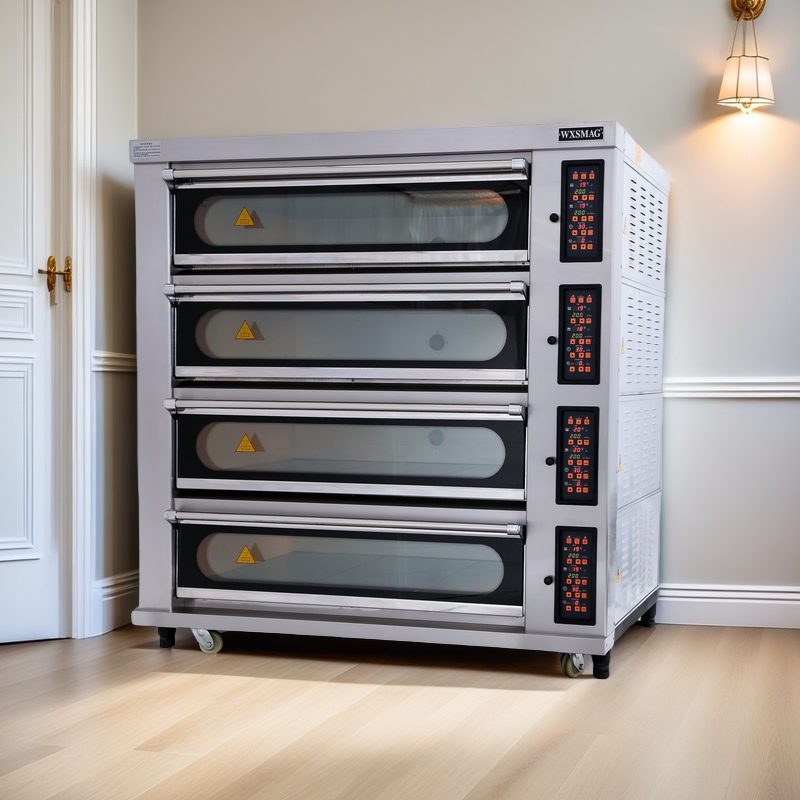
Starting a small-scale bakery requires careful selection of bakery equipment that balances functionality, efficiency, and budget constraints. Professional bakers understand that the right equipment forms the foundation of successful operations, enabling consistent quality output while maintaining profitability. Modern bakery equipment has evolved significantly, offering compact solutions designed specifically for smaller establishments without compromising on performance standards that commercial operations demand.
Essential Oven Solutions for Small Bakeries
Commercial Convection Ovens
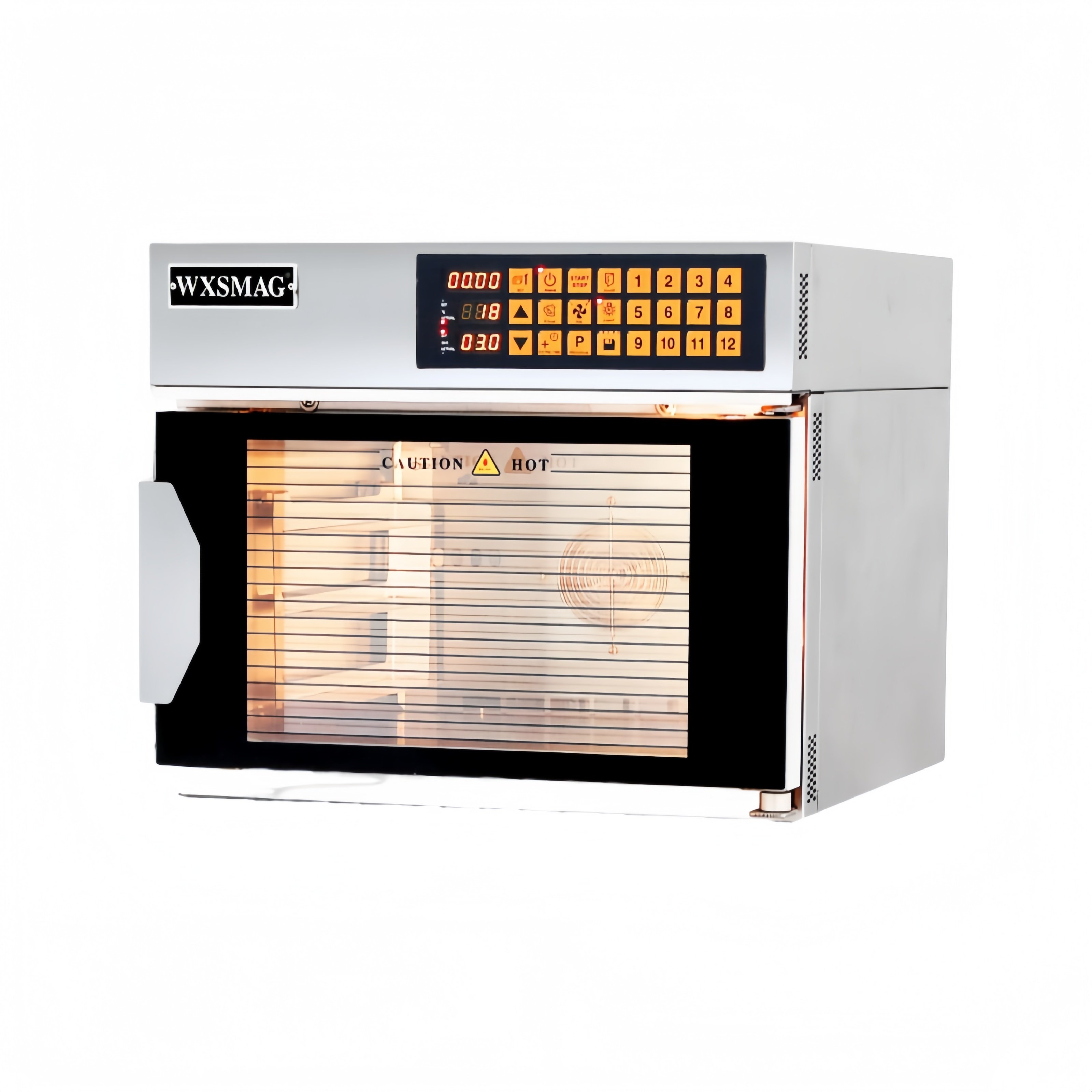
Commercial convection ovens represent the heart of most bakery operations, providing consistent heat distribution and reliable performance for various baking applications. These ovens utilize forced air circulation to ensure even baking results, reducing hot spots that can compromise product quality. Small-scale bakeries benefit from compact convection models that offer professional-grade features while fitting into limited kitchen spaces.
The versatility of convection ovens makes them indispensable for bakery equipment selection, accommodating everything from delicate pastries to robust bread loaves. Temperature control precision allows bakers to achieve consistent results across different product lines, while programmable settings enable efficient workflow management during peak production periods.
Deck Ovens for Artisan Baking
Deck ovens provide the traditional stone-hearth baking environment that many artisan bakeries seek for authentic bread production. These units feature heavy stone or ceramic decks that retain and radiate heat evenly, creating the crispy crusts and proper crumb structure that distinguish premium baked goods. Small-scale operations can benefit from single-deck models that deliver professional results without requiring extensive floor space.
Steam injection capabilities in modern deck ovens allow bakers to control humidity levels precisely, essential for achieving proper bread development and crust formation. The thermal mass of deck ovens provides excellent heat retention, enabling multiple baking cycles with consistent temperature performance throughout extended production runs.
Mixing and Preparation Equipment
Spiral Mixers for Dough Production
Spiral mixers represent essential bakery equipment for consistent dough development, featuring specialized bowl and spiral agitator design that maintains optimal gluten formation. These mixers excel at handling various dough types while minimizing oxidation and overheating, critical factors in maintaining dough quality and final product characteristics. Compact spiral mixers designed for small-scale operations provide professional mixing capabilities without overwhelming limited workspace areas.
Variable speed controls allow bakers to adjust mixing intensity according to specific recipe requirements, while timer functions ensure consistent mixing cycles across different batches. The gentle spiral action preserves dough structure while achieving thorough ingredient incorporation, resulting in improved texture and flavor development in finished products.
Planetary Mixers for Versatile Applications
Planetary mixers offer exceptional versatility in small bakery operations, accommodating everything from heavy bread doughs to delicate cake batters with appropriate attachment changes. The planetary mixing action combines multiple movement patterns to ensure thorough ingredient distribution while providing gentle handling for sensitive preparations. Modern planetary mixers include safety features and variable speed controls that enhance operational efficiency and worker protection.
Attachment compatibility expands the functionality of planetary mixers beyond basic mixing, enabling pasta production, meat grinding, and vegetable slicing operations that diversify product offerings. Bowl capacity options allow small bakeries to select appropriate sizes that match production volumes while maintaining equipment investment efficiency.
Proofing and Fermentation Systems
Proofing Cabinets for Controlled Environment
Proofing cabinets provide precise environmental control for yeast fermentation, maintaining optimal temperature and humidity levels that ensure consistent dough development. These units eliminate weather-related variables that can affect proofing times and final product quality, enabling reliable production scheduling regardless of external conditions. Small-scale bakery equipment configurations benefit from compact proofing solutions that maximize vertical space utilization while providing adequate capacity for daily production needs.
Digital controls allow bakers to program specific proofing profiles for different products, ensuring optimal fermentation conditions for various dough types and formulations. Uniform air circulation prevents uneven proofing that can result in irregular product appearance and texture variations across batches.
Retarding Capabilities for Production Flexibility
Retarding functions in modern proofing systems enable bakeries to extend production schedules by slowing fermentation processes through controlled cooling. This capability allows small operations to prepare products in advance while maintaining quality standards, improving labor efficiency and production planning flexibility. Combined proofing and retarding units maximize equipment investment value by providing multiple environmental control options within single systems.
Temperature transition features ensure smooth movement between proofing and retarding phases without shocking dough structures that could compromise final product quality. Automated cycling capabilities reduce labor requirements while maintaining consistent environmental conditions throughout extended production periods.
Refrigeration and Storage Solutions
Walk-in Coolers for Ingredient Storage
Walk-in coolers provide essential temperature-controlled storage for perishable ingredients, maintaining product freshness and extending shelf life while supporting food safety protocols. These units accommodate bulk ingredient storage that reduces purchasing costs and ensures consistent supply availability for uninterrupted production. Modular walk-in systems allow small bakeries to configure storage spaces that maximize available floor area while providing adequate capacity for operational requirements.
Energy-efficient refrigeration systems reduce operational costs while maintaining precise temperature control that protects ingredient quality and prevents spoilage losses. Proper shelving configurations optimize storage capacity and improve inventory organization, supporting efficient workflow and reducing ingredient handling time during production periods.
Display Cases for Finished Products
Refrigerated display cases showcase finished products while maintaining optimal storage temperatures that preserve quality and extend sales periods. These units combine marketing functionality with practical storage needs, enabling attractive product presentation that encourages customer purchases while protecting perishable items. Curved glass designs enhance product visibility and create appealing displays that highlight bakery offerings effectively.
LED lighting systems provide energy-efficient illumination that enhances product appearance without generating excessive heat that could compromise refrigeration efficiency. Adjustable shelving configurations accommodate various product sizes and packaging formats, maximizing display capacity while maintaining organized presentations that facilitate customer selection and purchasing decisions.
Specialized Equipment for Product Finishing
Glazing and Decorating Tools
Professional glazing equipment enables consistent application of icings, glazes, and decorative finishes that enhance product appearance and customer appeal. Automatic glazing machines provide uniform coverage while reducing labor requirements and improving production efficiency for high-volume items. Small-scale bakery equipment selections should include versatile glazing solutions that accommodate various product types and finishing requirements.
Temperature control features ensure optimal glaze consistency and application properties, preventing issues such as excessive thickness or inadequate coverage that can affect product quality. Adjustable application rates allow customization of finish thickness according to specific product requirements and customer preferences.
Packaging and Wrapping Systems
Efficient packaging systems protect finished products while presenting professional appearance that builds customer confidence and brand recognition. Semi-automatic wrapping equipment provides labor savings while maintaining packaging quality standards that preserve product freshness and prevent contamination. Versatile packaging solutions accommodate various product sizes and shapes, supporting diverse product offerings without requiring multiple specialized machines.
Seal quality monitoring ensures package integrity that protects products during transportation and storage, reducing waste and maintaining customer satisfaction. Film compatibility features enable use of various packaging materials that support different preservation requirements and marketing objectives for specific product categories.
Maintenance and Operational Considerations
Preventive Maintenance Programs
Regular maintenance schedules protect bakery equipment investments while ensuring consistent performance and extending operational lifespan. Preventive maintenance programs identify potential issues before they result in costly breakdowns that disrupt production and affect customer service levels. Small bakeries benefit from establishing relationships with qualified service providers who understand equipment requirements and can provide timely support when needed.
Documentation of maintenance activities supports warranty compliance and helps identify recurring issues that may indicate equipment problems or operational adjustments needed to optimize performance. Training staff on basic maintenance procedures reduces service calls while improving equipment longevity and operational reliability throughout daily production activities.
Energy Efficiency Optimization
Energy-efficient bakery equipment reduces operational costs while supporting environmental responsibility goals that appeal to increasingly conscious consumers. Modern equipment designs incorporate advanced insulation, efficient heating elements, and smart controls that minimize energy consumption without compromising performance standards. Investment in energy-efficient systems often provides long-term cost savings that offset higher initial purchase prices through reduced utility expenses.
Monitoring systems track energy usage patterns and identify opportunities for operational improvements that further enhance efficiency. Proper equipment sizing prevents energy waste associated with oversized units while ensuring adequate capacity for production requirements and future growth plans.
FAQ
What size bakery equipment is appropriate for small-scale operations
Small-scale bakery equipment sizing depends on daily production volumes, available space, and growth projections. Generally, compact commercial units that handle 50-200 pounds of flour daily provide appropriate capacity for most small bakeries while maintaining professional performance standards. Consider equipment that offers expansion capabilities or modular additions to accommodate future growth without requiring complete replacement of existing systems.
How much should I budget for essential bakery equipment
Essential bakery equipment budgets typically range from $50,000 to $150,000 for complete small-scale setups, depending on equipment quality, features, and capacity requirements. Prioritize core equipment such as ovens, mixers, and refrigeration units first, then add specialized equipment as production volumes and product offerings expand. Consider leasing options or quality used equipment to reduce initial investment while maintaining operational capabilities.
What maintenance requirements should I expect for bakery equipment
Regular maintenance includes daily cleaning, weekly deep cleaning, monthly component inspections, and annual professional servicing for most bakery equipment. Establish maintenance schedules based on manufacturer recommendations and usage intensity, with more frequent attention for high-use items. Budget approximately 2-5% of equipment value annually for maintenance and repairs, with higher percentages for older or heavily used equipment.
How do I ensure food safety compliance with bakery equipment
Food safety compliance requires equipment that meets NSF or equivalent sanitary standards, with smooth surfaces that facilitate cleaning and prevent bacterial growth. Implement HACCP protocols that include temperature monitoring, cleaning verification, and maintenance documentation. Train staff on proper equipment operation and sanitation procedures, and maintain calibration records for temperature-sensitive equipment to ensure food safety standards are consistently met.