
 EN
EN
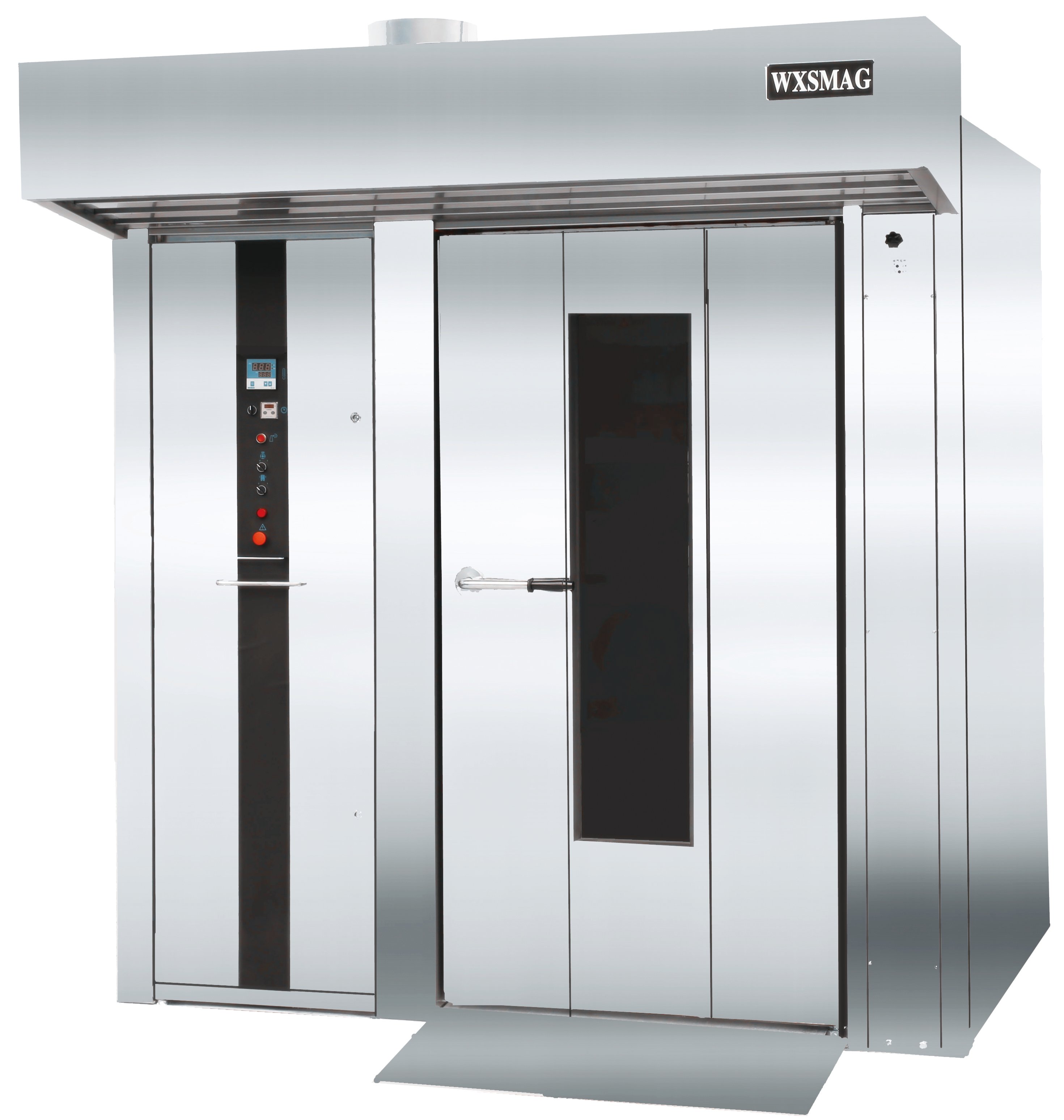
Selecting the right bakery machine can transform your baking operations from good to exceptional. Whether you're establishing a new bakery or upgrading existing equipment, understanding the critical factors that influence performance, efficiency, and profitability is essential. The modern bakery industry demands precision, consistency, and reliability from every piece of equipment, making informed decision-making crucial for success.
Understanding Your Bakery's Specific Requirements
Production Volume Assessment
Before investing in any bakery machine, conducting a thorough analysis of your production requirements forms the foundation of smart purchasing decisions. Daily output expectations, peak production periods, and seasonal fluctuations all impact the type and capacity of equipment needed. Consider not only current needs but also projected growth over the next three to five years to ensure your investment remains viable long-term.
Small artisan bakeries typically require different specifications compared to large commercial operations. While a neighborhood bakery might focus on versatile, space-efficient equipment, industrial facilities prioritize high-volume capacity and automated features. Understanding these distinctions helps narrow down options and prevents costly oversizing or undersizing mistakes that can impact operational efficiency and financial performance.
Space and Layout Considerations
Physical workspace limitations significantly influence bakery machine selection and placement strategies. Accurate measurements of available floor space, ceiling height, and door dimensions prevent installation complications and ensure proper ventilation requirements are met. Consider workflow patterns, employee movement, and safety clearances when planning equipment placement to optimize productivity and maintain regulatory compliance.
Modern bakery equipment often requires specific utility connections including electrical power, gas lines, water supply, and drainage systems. Evaluating existing infrastructure against equipment requirements early in the selection process helps identify necessary upgrades and associated costs. Planning for adequate ventilation, especially for high-heat equipment, ensures comfortable working conditions and prevents moisture-related issues that can affect product quality.
Key Performance Features and Specifications
Temperature Control and Consistency
Precise temperature management represents one of the most critical aspects of professional baking equipment performance. Advanced bakery machine models incorporate sophisticated heating systems, temperature sensors, and digital controls that maintain consistent conditions throughout the baking process. Look for equipment featuring multiple heating zones, rapid temperature recovery, and programmable temperature profiles that accommodate various product types.
Steam injection capabilities and humidity control features enhance product quality by creating optimal baking environments for different bread types, pastries, and specialty items. These advanced features allow bakers to achieve professional results consistently while expanding their product offerings. Equipment with precise environmental controls reduces waste, improves texture and appearance, and enables reproducible results that build customer loyalty and brand reputation.
Energy Efficiency and Operating Costs
Energy consumption directly impacts long-term operating expenses and environmental sustainability goals. Modern bakery machines incorporate energy-efficient technologies such as improved insulation, heat recovery systems, and optimized heating elements that reduce utility costs while maintaining performance standards. Evaluate energy ratings, consumption specifications, and available efficiency certifications when comparing different models and manufacturers.
Consider total cost of ownership including energy consumption, maintenance requirements, and expected lifespan when calculating return on investment. Higher initial investment in energy-efficient equipment often pays dividends through reduced operating costs and improved reliability over time. Some regions offer utility rebates or tax incentives for energy-efficient commercial equipment, making premium models more financially attractive than initially apparent.
Safety and Regulatory Compliance
Industry Standards and Certifications
Professional bakery equipment must meet stringent safety standards and regulatory requirements established by organizations such as NSF International, UL, and local health departments. Verify that prospective equipment carries appropriate certifications for your region and intended use. These certifications ensure equipment meets food safety standards, electrical safety requirements, and environmental regulations that protect employees, customers, and your business.
Documentation and compliance records become essential during health inspections, insurance audits, and potential liability situations. Choosing certified equipment demonstrates commitment to safety and professionalism while providing legal protection. Non-certified equipment can result in failed inspections, insurance complications, and potential shutdown orders that far exceed any initial cost savings from purchasing uncertified alternatives.
Operator Safety Features
Built-in safety mechanisms protect employees from burns, crushing injuries, and other workplace hazards common in commercial baking environments. Look for features such as automatic shut-off systems, safety interlocks, emergency stops, and protective guards that prevent accidental contact with moving parts or hot surfaces. Clear labeling, intuitive controls, and adequate lighting enhance operator safety and reduce training time for new employees.
Ergonomic design considerations reduce physical strain and fatigue that can lead to accidents and long-term health issues. Adjustable heights, easy-access controls, and lightweight components enable comfortable operation throughout long production shifts. Investing in well-designed equipment protects your workforce while maintaining productivity and reducing workers' compensation claims that can significantly impact business profitability.
Maintenance and Support Considerations
Routine Maintenance Requirements
Understanding maintenance schedules, procedures, and costs helps ensure long-term equipment reliability and performance. Quality bakery machines feature accessible components, clear maintenance instructions, and readily available replacement parts that minimize downtime and service costs. Evaluate the complexity of routine maintenance tasks and determine whether your staff can perform them or if professional service contracts are necessary.
Some manufacturers provide comprehensive training programs that enable in-house maintenance capabilities, reducing ongoing service expenses and improving response times for minor issues. Consider the availability of local service technicians, parts inventory, and emergency support when selecting equipment brands. Remote diagnostic capabilities and preventive maintenance alerts in modern equipment help identify potential issues before they cause costly breakdowns or production delays.
Warranty and Service Support
Comprehensive warranty coverage and responsive service support protect your investment and ensure business continuity during equipment issues. Compare warranty terms, coverage limitations, and service response times when evaluating different manufacturers and suppliers. Extended warranty options often provide cost-effective protection against major repairs while demonstrating manufacturer confidence in product reliability and durability.
Establish relationships with authorized service providers and understand their capabilities, response times, and service territories before making purchasing decisions. Quick access to qualified technicians and genuine replacement parts minimizes production disruptions that can result in lost sales and customer dissatisfaction. Some manufacturers offer service contracts that include regular maintenance, priority response, and discounted parts to ensure optimal performance and extend equipment lifespan.
Financial Planning and Investment Strategy
Budget Planning and Financing Options
Developing a comprehensive budget that includes equipment costs, installation expenses, training, and initial maintenance supplies ensures realistic financial planning and prevents cost overruns. Consider financing options such as equipment loans, leases, or manufacturer financing programs that can preserve working capital while acquiring necessary equipment. Each financing method offers different advantages regarding tax benefits, upgrade flexibility, and cash flow management.
Leasing arrangements often include maintenance coverage and upgrade options that provide operational flexibility and predictable monthly expenses. However, purchasing equipment builds equity and may offer better long-term value for established businesses with stable cash flow. Consult with financial advisors and tax professionals to determine the most advantageous approach based on your specific business situation and growth plans.
Return on Investment Analysis
Calculating potential return on investment helps justify equipment purchases and prioritize spending on features that deliver measurable benefits. Consider factors such as increased production capacity, improved product quality, reduced labor costs, and energy savings when evaluating different options. A high-quality bakery machine can significantly improve efficiency and product consistency while reducing operating costs over its lifespan.
Document productivity improvements, waste reduction, and customer satisfaction metrics that result from equipment upgrades to validate investment decisions and support future purchasing proposals. These measurements also help identify the most valuable features and capabilities for your specific operation, informing future equipment selections and optimization strategies. Regular performance reviews ensure equipment continues meeting expectations and identify opportunities for additional improvements or upgrades.
Technology Integration and Future-Proofing
Digital Controls and Automation
Modern bakery equipment increasingly incorporates digital controls, touchscreen interfaces, and programmable settings that enhance precision and repeatability. These advanced features enable consistent results across different operators and production shifts while reducing the skill level required for complex baking processes. Look for intuitive interfaces, recipe storage capabilities, and data logging features that support quality control and process optimization initiatives.
Connectivity options such as Wi-Fi, Ethernet, or cellular connections enable remote monitoring, diagnostic capabilities, and software updates that extend equipment functionality over time. Some systems integrate with bakery management software to track production metrics, schedule maintenance, and optimize energy consumption. These technological capabilities position businesses for future growth and operational improvements while providing valuable data for decision-making and process refinement.
Scalability and Upgrade Potential
Selecting equipment with expansion capabilities and upgrade potential protects against premature obsolescence and supports business growth. Modular designs allow adding capacity or functionality without replacing entire systems, providing cost-effective scaling options as production requirements increase. Consider equipment families from manufacturers who offer compatible accessories, attachments, and upgrade paths that maintain consistency across your operation.
Future-proofing strategies include choosing equipment with standard interfaces, open communication protocols, and software update capabilities that ensure compatibility with emerging technologies. Investing in established manufacturers with strong research and development programs increases the likelihood of continued innovation and support throughout the equipment's operational life. These considerations help maximize equipment value while positioning your bakery for continued success in an evolving marketplace.
FAQ
What factors should I prioritize when selecting my first commercial bakery machine
Focus on production capacity, space requirements, and budget constraints as your primary considerations. Ensure the equipment meets local health codes and safety standards while providing room for growth. Consider energy efficiency, ease of use, and availability of local service support when comparing options. Start with versatile equipment that can handle multiple product types to maximize flexibility and return on investment.
How important is energy efficiency in bakery machine selection
Energy efficiency significantly impacts long-term operating costs and environmental sustainability. Efficient equipment reduces utility expenses, generates less heat in the workspace, and often qualifies for utility rebates or tax incentives. Calculate total cost of ownership including energy consumption over the equipment's expected lifespan to make informed comparisons between different models and manufacturers.
Should I buy new or consider used bakery equipment
New equipment offers warranties, latest technology, and known maintenance history, while used equipment provides lower initial costs but higher risk. If considering used equipment, thoroughly inspect mechanical condition, verify maintenance records, and ensure parts availability. Factor in potential repair costs and shorter remaining lifespan when comparing total investment and expected returns between new and used options.
What maintenance support should I expect from bakery machine manufacturers
Quality manufacturers provide comprehensive documentation, training programs, and responsive technical support. Look for companies offering local service networks, readily available parts, and remote diagnostic capabilities. Evaluate warranty terms, service response times, and ongoing support costs when selecting manufacturers. Establish relationships with authorized service providers before installation to ensure quick response during equipment issues.