
 EN
EN
Maintaining commercial baking equipment is fundamental to running a successful bakery operation. Professional bakers understand that proper maintenance protocols not only extend equipment lifespan but also ensure consistent product quality and reduce unexpected downtime costs. Every bakery machine requires systematic care, from mixing bowls to ovens, to maintain optimal performance throughout demanding production schedules.
Understanding Bakery Equipment Components
Core Mechanical Systems
Modern commercial baking equipment incorporates complex mechanical systems that demand specialized maintenance approaches. Motor assemblies, transmission components, and bearing systems form the foundation of reliable bakery machine operation. These critical components experience constant stress during production cycles, making preventive maintenance essential for avoiding catastrophic failures. Regular lubrication schedules, vibration monitoring, and temperature checks help identify potential issues before they escalate into costly repairs.
Understanding how mechanical stress affects different equipment types enables bakery managers to develop targeted maintenance protocols. High-volume mixers experience different wear patterns compared to convection ovens, requiring customized inspection intervals and replacement part inventories. Documentation of mechanical system performance creates valuable baseline data for predicting future maintenance needs and optimizing equipment replacement schedules.
Electrical and Control Systems
Electrical components in commercial baking equipment require careful attention to prevent safety hazards and production disruptions. Control panels, sensors, heating elements, and wiring systems must be regularly inspected for signs of wear, corrosion, or thermal damage. Moisture exposure in bakery environments poses particular challenges for electrical systems, necessitating enhanced protective measures and more frequent inspection cycles.
Modern bakery machine models incorporate sophisticated electronic controls that improve precision and efficiency but also require specialized maintenance expertise. Temperature controllers, programmable logic controllers, and digital displays demand careful calibration and protection from flour dust and humidity. Establishing relationships with qualified electrical technicians ensures prompt resolution of complex control system issues.
Preventive Maintenance Scheduling
Daily Maintenance Routines
Implementing comprehensive daily maintenance routines forms the cornerstone of effective equipment management in commercial bakeries. Each piece of equipment requires specific daily checks tailored to its function and operating conditions. Cleaning procedures must be thorough yet efficient to avoid disrupting production schedules while ensuring food safety compliance and equipment longevity.
Daily maintenance tasks typically include visual inspections for unusual wear patterns, lubrication point checks, and basic cleaning protocols. Staff training ensures consistent execution of these critical tasks regardless of shift changes or personnel turnover. Documenting daily maintenance activities creates accountability and provides valuable data for identifying emerging issues before they impact production capacity.
Weekly and Monthly Protocols
Weekly maintenance schedules address components that require less frequent attention but remain critical for long-term equipment reliability. Deep cleaning procedures, calibration checks, and comprehensive inspections of wear-prone components fall into this category. These scheduled activities often require equipment downtime, making coordination with production schedules essential for minimizing operational impact.
Monthly maintenance protocols typically involve more extensive component inspections, replacement of consumable parts, and performance testing procedures. Establishing standardized checklists ensures thorough coverage of all critical maintenance points while providing clear documentation for regulatory compliance and warranty requirements. These scheduled maintenance windows also provide opportunities for staff training and equipment upgrade installations.
Equipment-Specific Maintenance Strategies
Mixing Equipment Care
Commercial mixing equipment demands specialized maintenance approaches due to the intense mechanical stresses involved in dough preparation. Bowl assemblies, mixing attachments, and drive systems require regular inspection for wear patterns that could affect product consistency or pose safety hazards. Proper cleaning procedures prevent ingredient buildup that can harbor bacteria or interfere with mechanical operation.
Planetary mixers and spiral mixers each present unique maintenance challenges requiring tailored approaches. Planetary mixers demand attention to gear systems and bowl lifting mechanisms, while spiral mixers require focus on dough hook alignment and motor cooling systems. Understanding these differences enables maintenance teams to allocate resources effectively and prevent equipment-specific failure modes.
Oven Maintenance Excellence
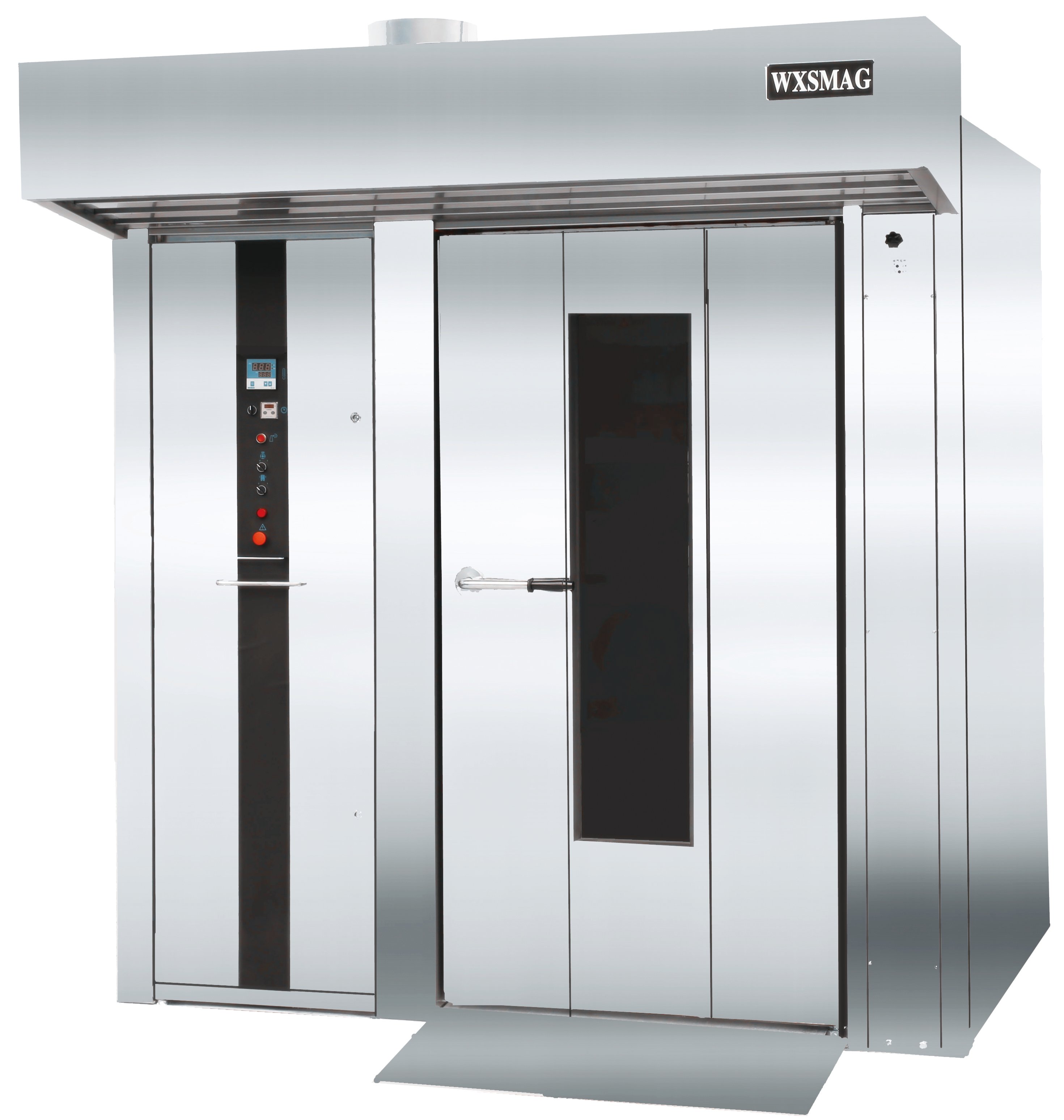
Oven maintenance encompasses multiple systems including heating elements, ventilation, controls, and structural components. Regular cleaning of heating surfaces prevents carbon buildup that reduces efficiency and creates fire hazards. Ventilation system maintenance ensures proper heat distribution and prevents moisture accumulation that could damage electronic components or create unsanitary conditions.
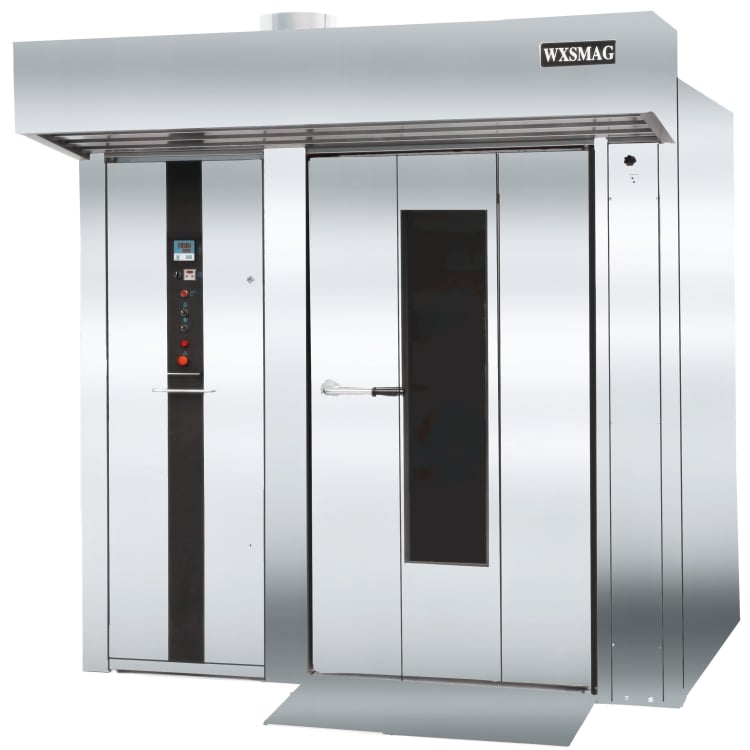
Rotary ovens, deck ovens, and convection ovens each require specialized maintenance protocols addressing their unique operating characteristics. Door seals, rotating mechanisms, and steam injection systems demand particular attention to maintain optimal baking performance. Calibrating temperature controls and monitoring heat distribution patterns helps identify maintenance needs before they affect product quality or energy efficiency.
Troubleshooting Common Issues
Identifying Performance Problems
Recognizing early warning signs of equipment problems enables proactive maintenance responses that prevent minor issues from escalating into major failures. Unusual noises, vibrations, temperature variations, or performance inconsistencies often indicate developing maintenance needs. Training staff to identify and report these symptoms creates an early warning system that protects equipment investments and maintains production reliability.
Systematic troubleshooting procedures help maintenance teams efficiently diagnose equipment problems and implement appropriate solutions. Creating decision trees and diagnostic flowcharts reduces repair time and ensures consistent problem-solving approaches across different shifts and personnel. Documentation of troubleshooting activities builds institutional knowledge that improves future response times and effectiveness.
Emergency Response Protocols
Developing comprehensive emergency response protocols minimizes production disruptions when equipment failures occur unexpectedly. Emergency procedures should address both equipment shutdown protocols and alternative production arrangements to maintain customer commitments. Maintaining emergency repair supplies and establishing relationships with qualified service providers ensures rapid response capability.
Emergency response planning must consider safety implications of equipment failures, particularly for high-temperature or electrically powered systems. Staff training in emergency procedures protects personnel while enabling quick decision-making during crisis situations. Regular drills and procedure reviews ensure readiness when genuine emergencies arise.
Cost Management and ROI
Maintenance Budget Planning
Effective maintenance budget planning requires understanding both routine maintenance costs and potential major repair expenses. Analyzing historical maintenance data helps predict future spending requirements and identify opportunities for cost optimization. Balancing preventive maintenance investments against potential failure costs requires careful analysis of equipment criticality and failure probability.
Maintenance budgets should account for parts inventory, labor costs, training expenses, and service contract fees. Equipment age and utilization rates significantly influence maintenance cost projections, making accurate forecasting essential for financial planning. Establishing relationships with multiple suppliers helps control parts costs while ensuring availability when needed.
Return on Investment Analysis
Measuring maintenance program effectiveness requires tracking multiple performance indicators including equipment uptime, repair costs, energy efficiency, and product quality consistency. Comprehensive maintenance programs typically demonstrate positive returns through reduced emergency repairs, extended equipment life, and improved operational efficiency. Quantifying these benefits helps justify maintenance investments and secure management support.
Comparing maintenance costs against equipment replacement expenses provides perspective on maintenance program value. Well-maintained bakery machine equipment often operates effectively well beyond initial depreciation schedules, providing substantial economic benefits. Regular ROI analysis helps optimize maintenance spending allocation and identify opportunities for program improvement.
FAQ
How often should commercial bakery equipment undergo professional maintenance
Professional maintenance frequency depends on equipment type, usage intensity, and manufacturer recommendations. Most commercial bakery machines require professional service every three to six months, with high-volume operations potentially requiring monthly attention. Critical equipment like ovens and mixers may need more frequent professional maintenance than auxiliary equipment.
What are the most important daily maintenance tasks for bakery equipment
Daily maintenance priorities include thorough cleaning after each production cycle, visual inspections for unusual wear or damage, lubrication point checks, and temperature monitoring. These simple tasks prevent most common equipment problems and extend service life significantly. Consistency in daily maintenance execution proves more valuable than occasional intensive maintenance sessions.
When should bakery equipment be replaced rather than repaired
Equipment replacement becomes cost-effective when annual maintenance costs exceed 50% of replacement equipment value or when repairs cannot restore acceptable performance levels. Safety concerns, regulatory compliance issues, or energy efficiency improvements may also justify replacement decisions. Modern equipment often provides operational advantages that offset higher initial costs through improved productivity and reduced operating expenses.
How can small bakeries manage equipment maintenance costs effectively
Small bakeries can control maintenance costs through preventive care programs, staff training in basic maintenance tasks, and cooperative service arrangements with other local businesses. Purchasing quality used equipment and maintaining strong supplier relationships helps manage both initial costs and ongoing maintenance expenses. Focusing maintenance resources on critical equipment while accepting higher replacement frequency for non-essential items often proves most cost-effective.