
 EN
EN
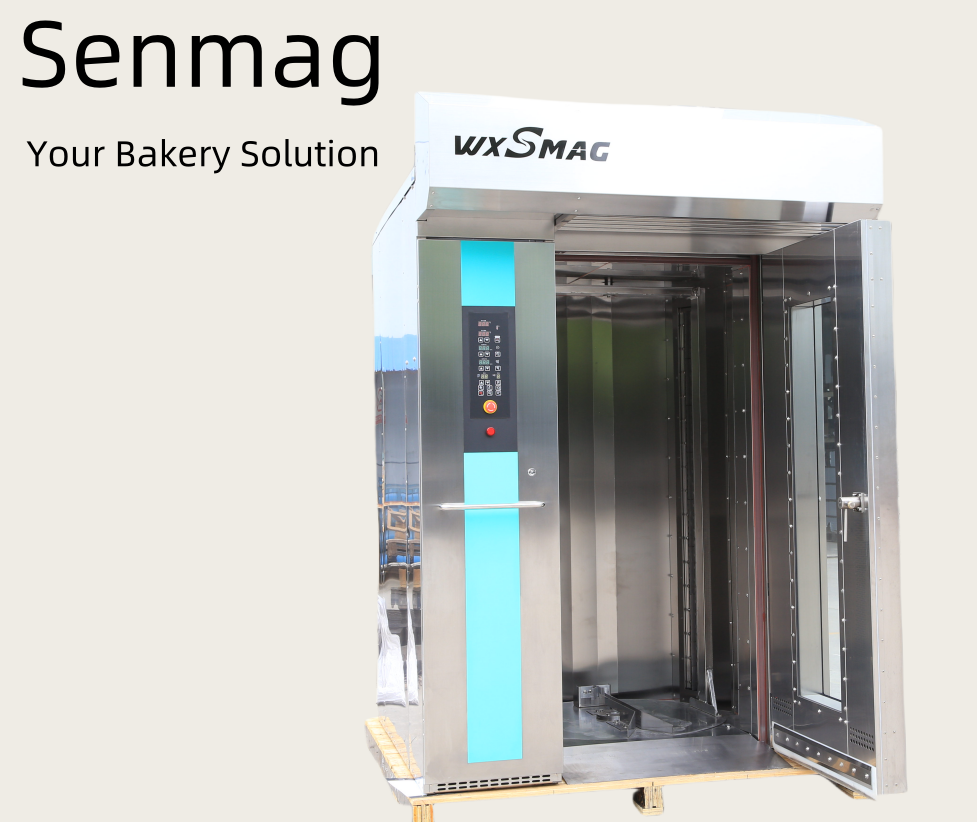
The artisan bread industry has witnessed remarkable growth in recent years, with consumers increasingly demanding authentic, high-quality baked goods. For commercial bakeries seeking to meet this demand while maintaining profitability, investing in specialized equipment becomes crucial. A baguette oven represents one of the most significant investments a bakery can make to enhance production efficiency and product quality. These specialized ovens are engineered specifically for creating the perfect baguette, featuring steam injection systems, precise temperature control, and optimized baking chambers that deliver consistently superior results compared to conventional ovens.
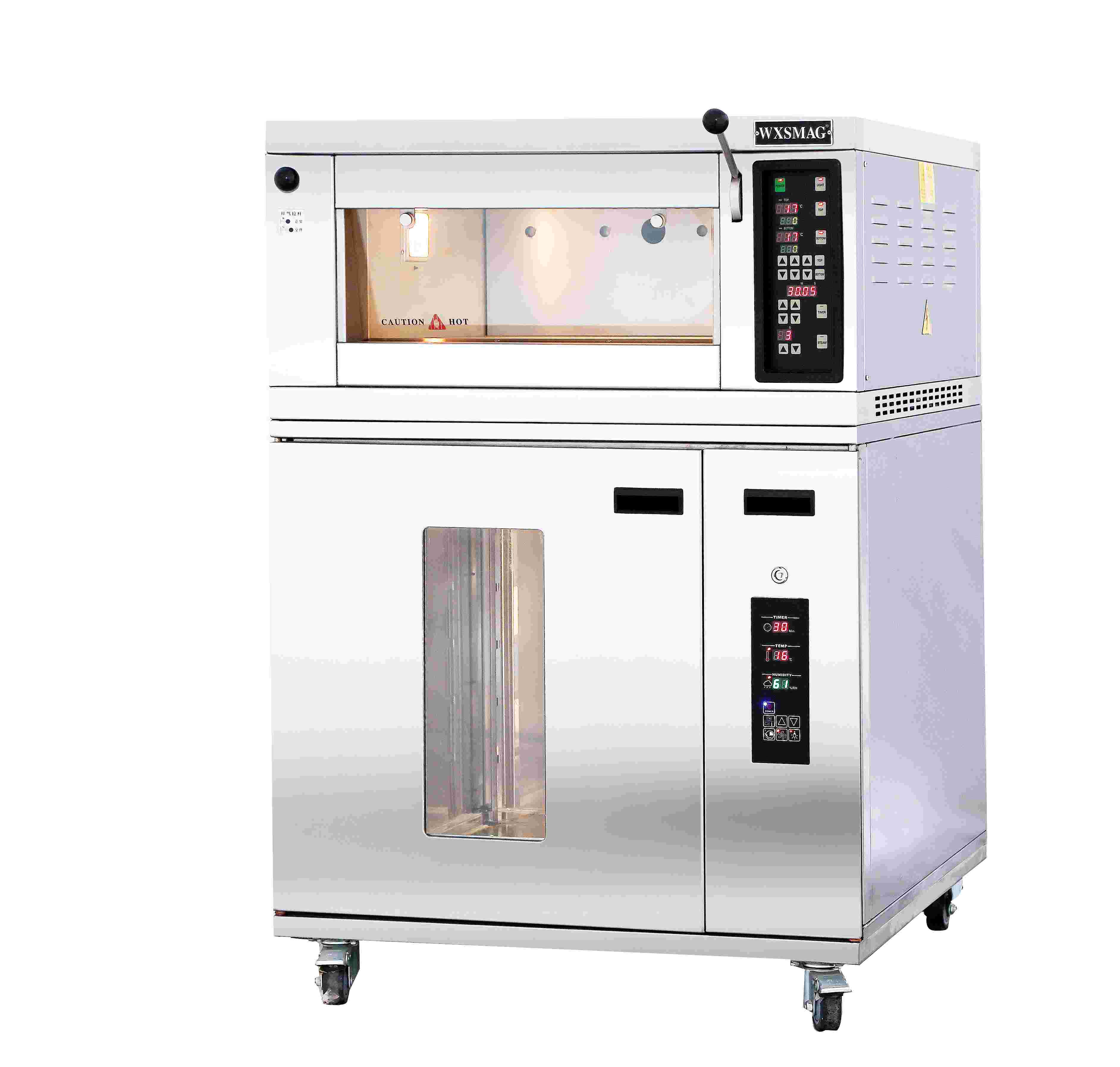
Understanding the Technology Behind Modern Baguette Ovens
Steam Injection Systems for Authentic Crust Formation
The hallmark of any quality baguette oven lies in its sophisticated steam injection system. This technology creates the initial burst of steam essential for developing the characteristic crispy crust that defines authentic French baguettes. During the first few minutes of baking, controlled steam injection prevents the crust from forming too quickly, allowing the dough to expand properly and creating the desired texture. Professional baguette ovens typically feature programmable steam cycles that can be adjusted based on different bread varieties and production requirements.
Modern steam systems in a baguette oven utilize precise sensors and automated controls to maintain optimal humidity levels throughout the baking process. This automation eliminates the guesswork traditionally associated with manual steam application, ensuring consistent results batch after batch. The steam injection process also contributes to the development of the baguette's signature golden-brown color and glossy finish, characteristics that cannot be achieved reliably without proper steam control.
Temperature Distribution and Heat Recovery Systems
Advanced baguette ovens incorporate sophisticated heating elements and air circulation systems designed to maintain uniform temperature distribution across the entire baking chamber. This even heat distribution is critical for producing baguettes with consistent color, texture, and doneness from top to bottom and front to back of the oven. The thermal efficiency of these ovens significantly reduces energy consumption while improving overall output quality.
Heat recovery systems in modern baguette ovens capture and recycle thermal energy that would otherwise be lost during the baking process. These systems can reduce energy consumption by up to thirty percent compared to traditional ovens, making them an environmentally conscious choice for commercial bakeries. The improved thermal efficiency also contributes to faster heat-up times and more stable operating temperatures, allowing for increased production throughput.
Maximizing Production Efficiency Through Strategic Implementation
Batch Size Optimization and Loading Configurations
The design of a professional baguette oven allows for strategic loading configurations that maximize the number of loaves baked per cycle. Most commercial models feature multiple deck levels with adjustable rack spacing, enabling bakers to customize the oven layout based on the specific dimensions of their products. This flexibility allows bakeries to increase their hourly output significantly compared to using standard commercial ovens that may not accommodate the length and quantity requirements of baguette production.
Efficient loading patterns and batch scheduling can increase a baguette oven's productivity by forty to sixty percent over traditional baking methods. The ability to bake larger quantities simultaneously reduces labor costs per unit and increases overall profitability. Additionally, the consistent baking environment ensures that all loaves in a batch meet the same quality standards, reducing waste and improving customer satisfaction.
Automated Controls and Programming Features
Contemporary baguette ovens feature advanced digital control systems that allow bakers to program specific baking profiles for different bread varieties. These programmable settings include temperature ramps, steam injection timing, and baking duration, ensuring reproducible results regardless of the operator's experience level. The automation reduces the skill barrier traditionally associated with artisan bread production while maintaining the authentic characteristics that customers expect.
The integration of smart technology in modern baguette oven systems enables remote monitoring and control capabilities. Bakers can adjust settings, monitor baking progress, and receive alerts about maintenance requirements through mobile applications or computer interfaces. This connectivity allows for better production planning and helps prevent costly downtime due to equipment failures.
Quality Enhancement and Consistency Improvements
Crust Development and Texture Optimization
The specialized design of a baguette oven creates optimal conditions for developing the complex crust characteristics that distinguish artisan baguettes from mass-produced alternatives. The combination of radiant heat from stone or ceramic baking surfaces and controlled steam injection produces the distinctive crackling crust that audiophiles seek in authentic French bread. This quality enhancement translates directly into premium pricing opportunities for commercial bakeries.
Consistent crust development across all products in a batch eliminates the variations commonly seen with conventional ovens. This uniformity is particularly important for wholesale operations where visual consistency is crucial for maintaining customer relationships. The reliable performance of a baguette oven reduces the need for quality sorting and minimizes product waste due to aesthetic imperfections.
Interior Crumb Structure and Moisture Retention
Professional baguette ovens excel at creating the ideal interior crumb structure characterized by irregular holes and a tender, chewy texture. The controlled baking environment allows for proper fermentation gas expansion during the initial stages of baking, resulting in the open crumb structure that defines high-quality artisan bread. This superior interior quality extends the shelf life of the finished products and enhances customer satisfaction.
The precise temperature control available in a dedicated baguette oven prevents over-baking of the interior while ensuring complete cooking throughout. This balance is essential for achieving the proper moisture content that maintains freshness and prevents premature staling. Bakeries using specialized equipment typically experience reduced customer complaints about dry or tough bread products.
Economic Benefits and Return on Investment
Labor Efficiency and Operational Savings
Investing in a high-quality baguette oven can significantly reduce labor requirements through improved operational efficiency and automated features. The larger batch capacity means fewer loading and unloading cycles per day, freeing up staff time for other productive activities. Additionally, the consistent results reduce the need for experienced bakers to constantly monitor and adjust the baking process, allowing less experienced staff to produce professional-quality results.
The reliability and consistency of specialized baguette ovens reduce waste from imperfect products, directly impacting the bottom line. When combined with reduced energy consumption and faster production cycles, these savings can justify the initial equipment investment within twelve to eighteen months for most commercial operations. The improved product quality also supports premium pricing strategies that enhance profitability.
Market Positioning and Brand Differentiation
Bakeries equipped with professional baguette ovens can position themselves as authentic artisan producers, commanding higher prices and building stronger customer loyalty. The superior product quality achievable with specialized equipment creates a competitive advantage that is difficult for competitors using standard ovens to match. This differentiation becomes increasingly valuable as the artisan bread market continues to expand and consumers become more discerning about quality.
The consistent quality produced by a dedicated baguette oven enables bakeries to pursue wholesale opportunities with restaurants, hotels, and specialty food retailers who require reliable product standards. These commercial accounts typically offer higher volume sales and more stable revenue streams compared to retail operations alone. The professional appearance and consistent performance of products from specialized ovens help establish credibility with commercial buyers.
Installation Considerations and Operational Requirements
Space Planning and Ventilation Systems
Proper installation of a baguette oven requires careful consideration of space requirements, ventilation needs, and utility connections. These ovens typically require adequate clearance for loading operations and maintenance access, as well as specialized ventilation systems to handle steam exhaust and heat dissipation. Professional installation ensures optimal performance and compliance with local building codes and safety regulations.
The ventilation requirements for a baguette oven are more complex than those for standard baking equipment due to the steam injection systems and higher operating temperatures. Adequate ventilation design prevents moisture accumulation in the work area and maintains comfortable working conditions for bakery staff. Investment in proper ventilation infrastructure protects the equipment investment and ensures long-term operational efficiency.
Maintenance Protocols and Service Support
Regular maintenance of a baguette oven is essential for maintaining optimal performance and extending equipment lifespan. Preventive maintenance schedules typically include cleaning of steam injection systems, calibration of temperature and humidity sensors, and inspection of heating elements and insulation. Following manufacturer-recommended maintenance protocols prevents costly repairs and ensures consistent product quality.
Selecting equipment from manufacturers who provide comprehensive service support and readily available replacement parts is crucial for minimizing operational disruptions. The specialized nature of baguette oven technology requires technicians with specific training and experience. Establishing relationships with qualified service providers before installation helps ensure rapid response times when maintenance or repairs are needed.
FAQ
What is the typical capacity difference between a baguette oven and conventional commercial ovens?
A professional baguette oven typically offers thirty to fifty percent greater capacity for baguette production compared to conventional commercial ovens of similar size. This increased efficiency comes from optimized rack spacing, longer baking chambers designed for baguette dimensions, and the ability to bake multiple varieties simultaneously with different settings. The specialized design allows bakeries to produce sixty to one hundred baguettes per hour depending on the oven size and configuration.
How does steam injection in a baguette oven affect energy consumption?
While steam injection systems do require additional water heating, modern baguette ovens are designed with energy-efficient steam generation that typically adds only five to ten percent to overall energy consumption. The improved thermal efficiency and heat recovery systems often offset this additional consumption, resulting in comparable or even lower energy costs per unit produced. The steam systems also contribute to faster baking times, which can reduce overall energy usage per batch.
Can a baguette oven accommodate other bread varieties besides traditional baguettes?
Yes, most commercial baguette ovens are versatile enough to bake various artisan bread types including sourdough loaves, ciabatta, focaccia, and other European-style breads. The programmable controls allow bakers to adjust temperature profiles, steam injection timing, and baking duration to suit different recipes. This versatility maximizes the return on investment by enabling bakeries to diversify their product offerings using the same equipment.
What maintenance requirements are specific to baguette oven steam systems?
Steam injection systems in a baguette oven require regular cleaning to prevent mineral buildup from water impurities, typically involving weekly descaling procedures and monthly deep cleaning of steam lines and injection nozzles. Water quality significantly impacts maintenance requirements, with soft water reducing cleaning frequency and extending component lifespan. Most manufacturers recommend using filtered or treated water to minimize maintenance needs and ensure consistent steam production quality.
Table of Contents
- Understanding the Technology Behind Modern Baguette Ovens
- Maximizing Production Efficiency Through Strategic Implementation
- Quality Enhancement and Consistency Improvements
- Economic Benefits and Return on Investment
- Installation Considerations and Operational Requirements
-
FAQ
- What is the typical capacity difference between a baguette oven and conventional commercial ovens?
- How does steam injection in a baguette oven affect energy consumption?
- Can a baguette oven accommodate other bread varieties besides traditional baguettes?
- What maintenance requirements are specific to baguette oven steam systems?