
 EN
EN
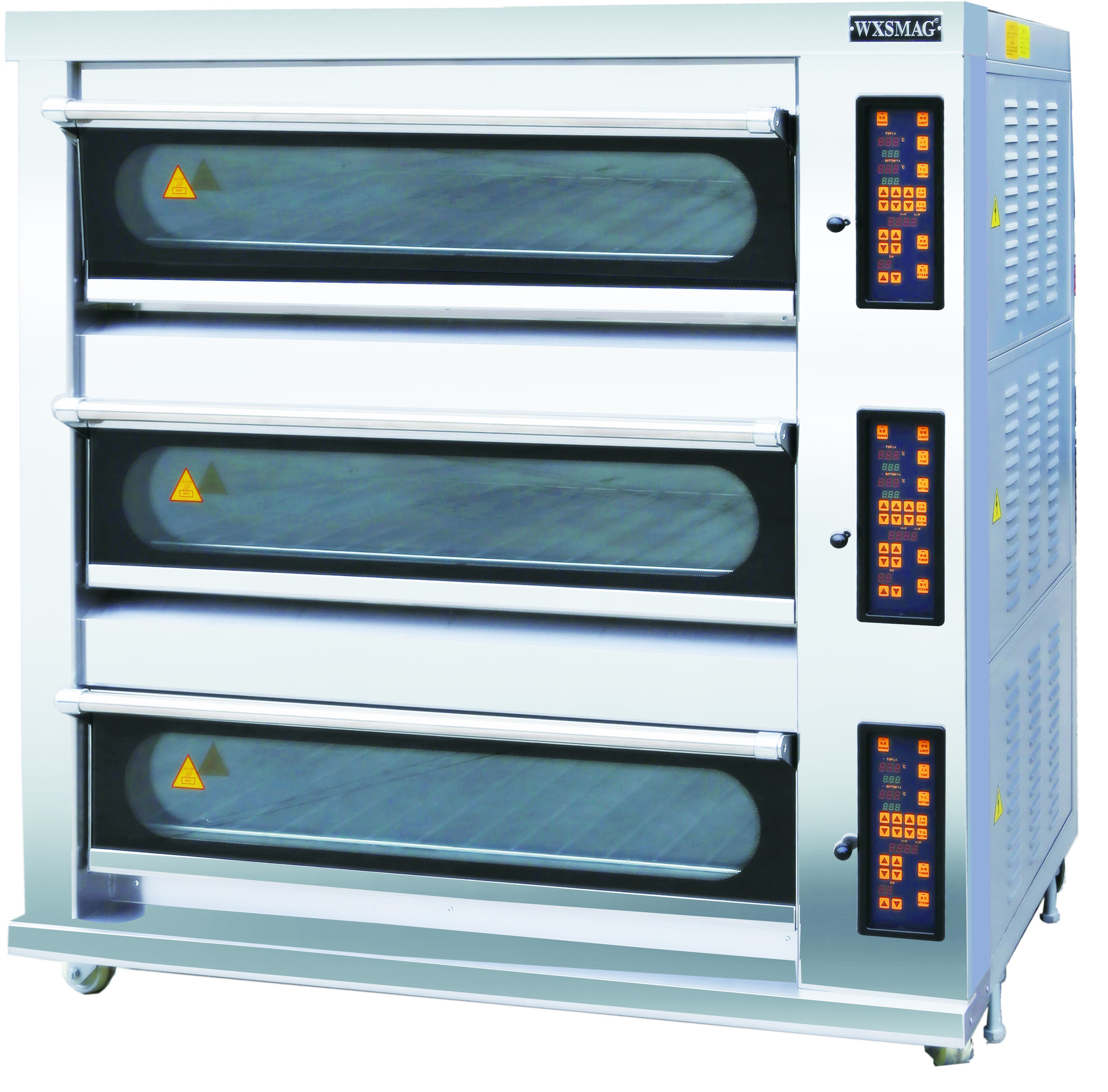
The artistry of crafting perfect baguettes lies not only in the skill of the baker but also in the sophisticated engineering of the baguette oven. Professional bakeries and artisan bread makers understand that the design characteristics of their baking equipment directly influence the final product quality, from the crispness of the crust to the uniformity of baking results. Modern baguette oven technology incorporates advanced heat distribution systems, steam injection mechanisms, and precise temperature controls that work together to create the ideal environment for producing authentic French bread with consistent texture and appearance.
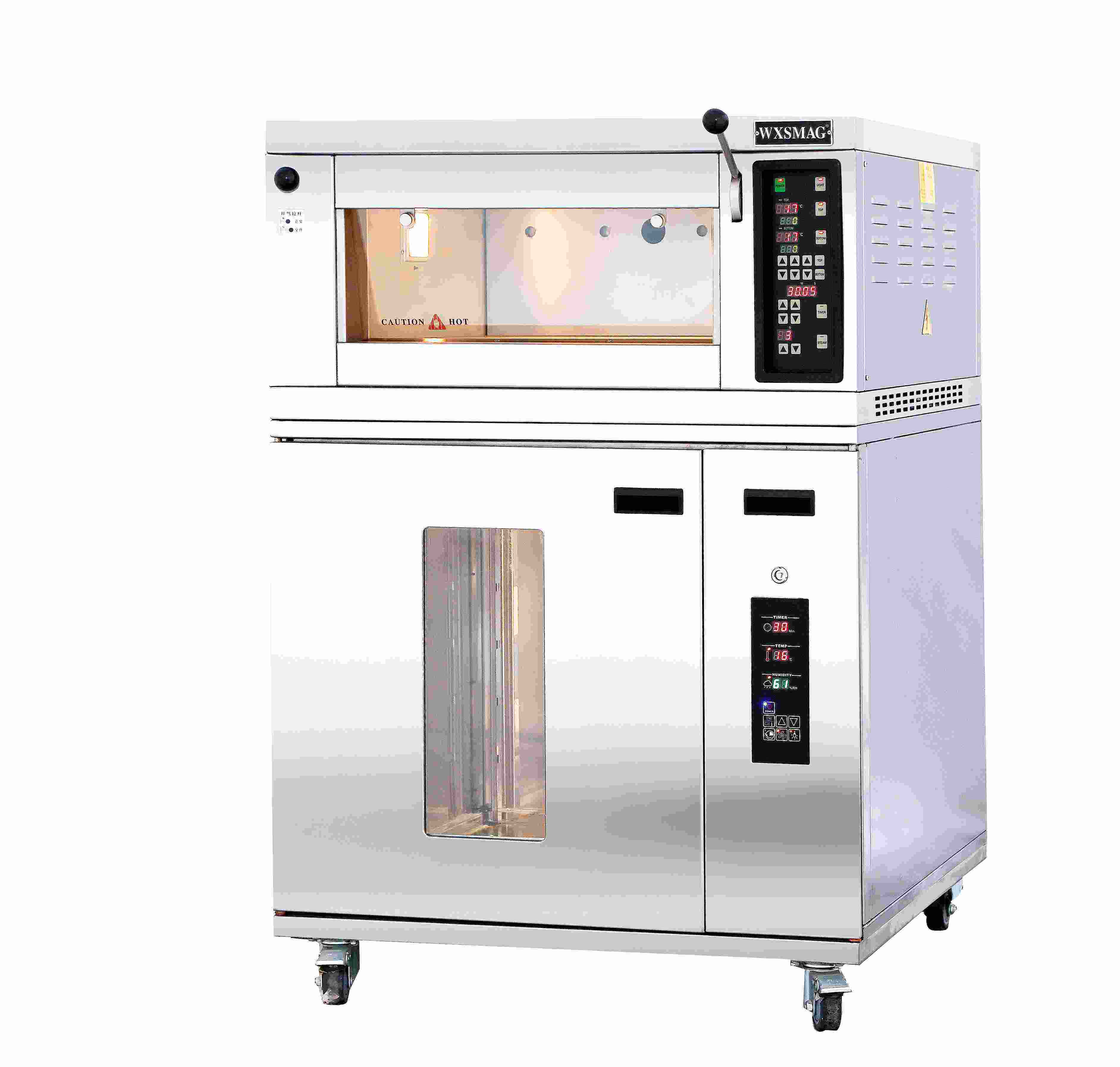
Heat Distribution Systems in Professional Baguette Ovens
Radiant Heat Technology and Surface Temperature Control
The foundation of exceptional baguette production begins with how a baguette oven distributes radiant heat across its baking chamber. Professional deck ovens utilize stone or ceramic surfaces that absorb and radiate heat evenly, creating the high-temperature environment necessary for proper crust formation. These surfaces reach temperatures between 450°F and 500°F, providing the intense initial heat that causes rapid moisture evaporation from the dough surface. The thermal mass of quality baking stones ensures temperature stability throughout the baking cycle, preventing hot spots that could lead to uneven browning or burning.
Advanced baguette oven designs incorporate multiple heating elements positioned strategically to maintain consistent surface temperatures. Bottom heating elements provide direct conductive heat through the baking deck, while top elements contribute to overall chamber temperature and assist in crust coloring. The balance between these heat sources determines the rate of crust development and the final texture characteristics. Ovens with superior insulation properties maintain these temperatures more efficiently, reducing energy consumption while ensuring consistent baking performance across multiple production cycles.
Convection Systems and Air Circulation Patterns
Modern baguette oven technology integrates sophisticated convection systems that circulate heated air throughout the baking chamber, promoting uniform heat transfer to all surfaces of the bread. These systems utilize strategically positioned fans and air ducts to create controlled airflow patterns that eliminate temperature variations within the oven cavity. Proper air circulation ensures that baguettes positioned in different areas of the oven receive equivalent heat exposure, resulting in consistent crust texture and color development across entire production batches.
The velocity and direction of air circulation in a baguette oven significantly impact crust formation dynamics. Gentle air movement prevents excessive moisture removal during the initial baking phase, allowing proper dough expansion before crust hardening occurs. Conversely, increased circulation during the final baking stages promotes moisture evaporation and crust crisping. Professional-grade ovens feature adjustable fan speeds and circulation patterns that bakers can modify based on specific recipe requirements and desired crust characteristics.
Steam Injection Systems and Humidity Control
Initial Steam Phase and Crust Development
The steam injection capability of a baguette oven plays a crucial role in achieving the characteristic crispy crust and open crumb structure that defines authentic French bread. During the initial baking phase, controlled steam injection creates a humid environment that delays surface crust formation, allowing the dough to achieve maximum expansion before the exterior hardens. This process, known as oven spring, is essential for developing the proper shape and texture profile that consumers expect from quality baguettes.
Professional baguette ovens incorporate multiple steam injection points positioned to ensure even moisture distribution throughout the baking chamber. These systems typically generate steam through direct water injection onto heated surfaces or through dedicated steam generation units. The timing and duration of steam injection must be precisely controlled, as excessive moisture can prevent proper crust formation, while insufficient steam leads to premature surface hardening and reduced volume expansion. Quality baguette oven designs allow bakers to adjust steam injection timing and intensity based on dough formulation and desired final characteristics.
Humidity Extraction and Final Crust Finishing
The transition from the steam phase to the crust-forming phase requires sophisticated humidity control mechanisms within the baguette oven design. Effective steam extraction systems remove excess moisture from the baking chamber at precisely the right moment, allowing surface dehydration and crust development to proceed. These systems typically incorporate dampers, vents, or exhaust fans that can be manually or automatically controlled to create the optimal humidity environment for different baking stages.
Advanced baguette oven models feature programmable humidity control systems that automatically manage steam injection and extraction cycles based on predetermined baking profiles. These systems monitor internal humidity levels and adjust ventilation accordingly to maintain optimal conditions throughout the baking process. The ability to fine-tune humidity control enables bakers to achieve consistent crust texture, color, and thickness across different production runs while accommodating variations in dough formulation or ambient conditions.
Temperature Control and Thermal Management
Precision Temperature Monitoring Systems
Accurate temperature control represents a fundamental requirement for consistent baguette production, as even minor temperature variations can significantly affect crust texture and baking uniformity. Modern baguette oven designs incorporate multiple temperature sensors positioned throughout the baking chamber to provide real-time thermal monitoring. These sensors track both air temperature and deck surface temperature, allowing for precise adjustment of heating elements to maintain optimal baking conditions.
Digital control systems in professional baguette ovens enable bakers to program complex temperature profiles that automatically adjust heating parameters throughout the baking cycle. Initial high-temperature phases promote rapid crust formation and proper oven spring, while controlled temperature reduction during final stages ensures complete interior cooking without over-browning the crust. The ability to store and recall specific temperature profiles ensures consistent results across different operators and production shifts.
Thermal Isolation and Energy Efficiency
The insulation design of a baguette oven directly impacts both temperature stability and energy consumption, making thermal management a critical consideration for commercial bakery operations. High-quality insulation materials maintain consistent internal temperatures while minimizing heat loss to the surrounding environment. This thermal efficiency not only reduces operating costs but also improves baking consistency by preventing temperature fluctuations caused by external conditions.
Advanced baguette oven construction utilizes multiple insulation layers with different thermal properties to optimize heat retention and distribution. Dense refractory materials near the baking chamber provide thermal mass and heat storage, while lightweight insulation layers prevent heat transfer to the oven exterior. Proper thermal design ensures that surface temperatures remain stable throughout extended production periods, enabling consistent crust development regardless of ambient conditions or production volume.
Baking Chamber Design and Ergonomics
Loading Configuration and Capacity Optimization
The internal configuration of a baguette oven significantly influences both production efficiency and baking consistency, as proper spacing and arrangement of products ensures uniform heat exposure and optimal air circulation. Professional baguette ovens feature adjustable rack systems or loading platforms designed specifically for the elongated shape of baguettes. These systems accommodate various baguette lengths while maintaining appropriate spacing for adequate heat transfer and steam circulation around each loaf.
Capacity optimization in baguette oven design involves balancing maximum loading density with maintained baking quality. Overcrowding can lead to uneven baking and poor crust development, while underutilization reduces production efficiency. Well-designed ovens provide clear loading guidelines and adjustable configurations that allow bakers to optimize capacity based on product specifications and quality requirements. The ability to accommodate different baguette sizes and production volumes makes these ovens suitable for diverse bakery operations.
Access and Maintenance Considerations
Practical baguette oven design incorporates features that facilitate regular maintenance and ensure long-term performance reliability. Easy access to heating elements, steam generation components, and control systems enables routine maintenance without extensive disassembly or production downtime. Removable or hinged panels provide access to internal components, while diagnostic systems alert operators to potential issues before they affect baking performance.
Ergonomic design elements in professional baguette ovens reduce operator fatigue and improve workplace safety during extended production periods. Appropriate loading height, comfortable door operation, and clear visibility of the baking chamber interior contribute to efficient workflow and consistent product quality. Safety features such as automatic door closure, temperature monitoring, and emergency shutdown systems protect both operators and equipment while maintaining production continuity.
Quality Control and Consistency Factors
Automated Control Systems and Recipe Management
Modern baguette oven technology incorporates sophisticated control systems that standardize baking parameters and reduce variability between production batches. These systems store detailed baking profiles that specify temperature curves, steam injection timing, humidity levels, and baking duration for different baguette varieties. Automated execution of these profiles ensures consistent results regardless of operator experience or external conditions, improving overall product quality and customer satisfaction.
Recipe management capabilities in advanced baguette oven systems allow bakeries to develop and refine their unique baking profiles while maintaining consistent execution. Data logging features track actual baking conditions and compare them to programmed parameters, enabling continuous process improvement and quality optimization. This information helps identify trends or variations that might affect product consistency and allows for proactive adjustments to maintain quality standards.
Production Monitoring and Performance Analytics
Comprehensive monitoring systems in professional baguette ovens provide real-time feedback on baking performance and equipment condition, enabling proactive maintenance and quality control. These systems track key performance indicators such as temperature accuracy, steam generation efficiency, energy consumption, and baking cycle completion rates. Advanced analytics capabilities identify patterns and trends that might indicate developing issues or opportunities for process optimization.
Integration with bakery management systems allows baguette oven data to be incorporated into broader production planning and quality control programs. This connectivity enables correlation of baking parameters with final product quality assessments, creating feedback loops that drive continuous improvement in both equipment operation and recipe development. The ability to analyze historical performance data supports informed decisions about maintenance scheduling, equipment upgrades, and process modifications.
FAQ
What temperature should a baguette oven maintain for optimal crust development
Professional baguette ovens typically operate at temperatures between 450°F and 500°F for optimal crust development. The initial baking phase requires the highest temperatures to promote proper oven spring and begin crust formation. During the final stages, temperatures may be reduced slightly to ensure complete interior cooking without over-browning the crust. The thermal mass of quality baking stones helps maintain consistent temperatures throughout the baking cycle.
How does steam injection timing affect baguette crust texture
Steam injection timing is critical for achieving proper baguette crust texture. Steam should be introduced immediately when the bread enters the baguette oven and maintained for approximately the first 10-15 minutes of baking. This initial humid environment delays crust formation, allowing maximum dough expansion. Premature steam extraction results in reduced volume and tougher crust, while excessive steam duration prevents proper crust development and can create a leathery texture.
Why is heat distribution uniformity important in baguette baking
Uniform heat distribution in a baguette oven ensures consistent crust color, texture, and thickness across all loaves in a batch. Hot spots or temperature variations can cause uneven browning, with some areas becoming over-baked while others remain pale. Consistent heat distribution also promotes uniform internal cooking and crumb structure. Professional baguette ovens use thermal mass, convection systems, and strategic heating element placement to achieve this uniformity.
What maintenance requirements are essential for baguette oven performance
Regular maintenance of baguette oven systems includes cleaning steam injection components to prevent mineral buildup, calibrating temperature sensors for accuracy, and inspecting door seals to maintain proper heat retention. Baking stone surfaces should be cleaned regularly to prevent buildup that could affect heat transfer. Heating elements require periodic inspection for damage or degradation. Proper maintenance schedules help ensure consistent baking performance and extend equipment life while preventing unexpected downtime.