
 EN
EN
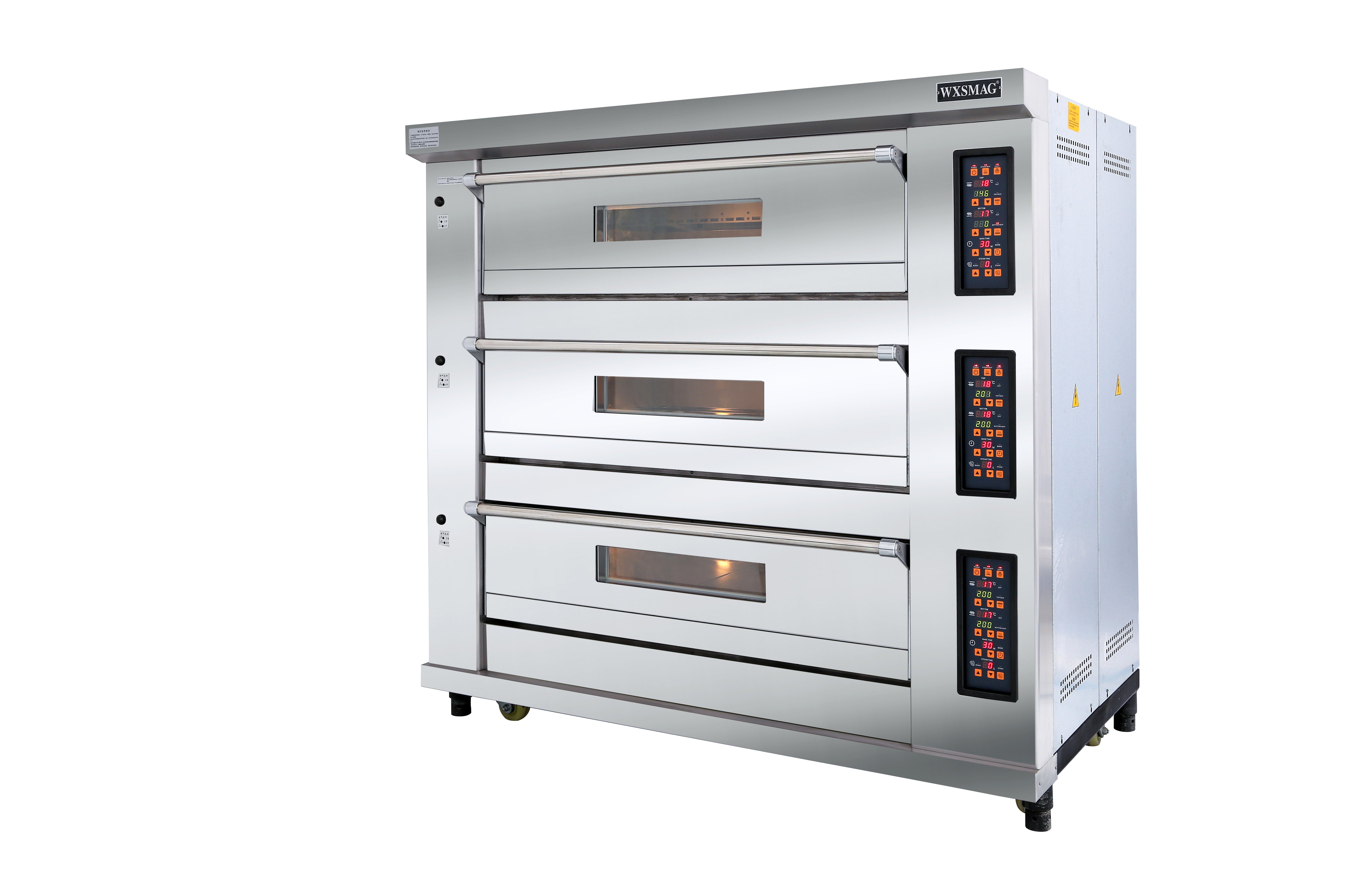
Professional bakeries understand that achieving the perfect baguette requires more than just quality ingredients and proper technique. The equipment used, particularly the baguette oven, plays a crucial role in determining the final product's quality. When a baguette oven lacks precise steam control, numerous problems can arise that compromise both the appearance and taste of this iconic French bread. Understanding these issues is essential for bakery owners who want to maintain consistent quality and customer satisfaction.
Understanding Steam Control in Baking Operations
The Science Behind Steam in Bread Production
Steam control in a baguette oven serves multiple critical functions during the baking process. When bread enters the oven, the initial burst of steam creates a humid environment that prevents the crust from forming too quickly. This delayed crust formation allows the dough to expand properly, creating the characteristic light and airy texture that defines quality baguettes. The steam also contributes to the glossy, golden-brown finish that customers expect from artisanal bread.
The timing and amount of steam injection must be precisely controlled to achieve optimal results. Too much steam can make the crust soggy and prevent proper browning, while insufficient steam leads to premature crust formation and restricted oven spring. Professional bakers rely on their baguette oven systems to deliver consistent steam levels throughout the initial baking phase, typically during the first 10-15 minutes of the baking cycle.
Temperature and Humidity Interactions
The relationship between temperature and humidity in a baguette oven is complex and requires precise control mechanisms. Steam not only affects moisture levels but also influences heat transfer within the oven chamber. When steam condenses on the bread surface, it transfers latent heat, helping to gelatinize the starches on the crust and creating the desired texture and appearance.
Modern commercial ovens incorporate sophisticated systems to monitor and adjust these parameters automatically. However, when these systems fail or lack precision, bakers must compensate manually, which often results in inconsistent products. The interplay between steam, temperature, and timing creates a delicate balance that professional equipment must maintain throughout each baking cycle.
Common Problems from Inadequate Steam Control
Crust Formation Issues
One of the most immediate problems that occurs when a baguette oven lacks precise steam control is improper crust formation. Without adequate steam during the initial baking phase, the outer layer of the dough forms a hard shell too quickly, preventing the bread from expanding properly. This results in dense, compact loaves that lack the light, airy crumb structure that characterizes quality baguettes.
Additionally, insufficient steam leads to pale, dull crusts that lack the glossy finish customers expect. The Maillard reaction, responsible for browning and flavor development, requires proper moisture conditions to occur effectively. When steam levels are inconsistent or inadequate, baguettes emerge from the oven with an unappetizing appearance that can significantly impact sales and customer satisfaction.
Texture and Volume Defects
Poor steam control directly affects the final volume and texture of baguettes. When the oven environment is too dry, the dough surface sets prematurely, creating a barrier that prevents proper expansion. This results in smaller, denser loaves with poor crumb structure and reduced shelf appeal. Professional bakers understand that volume is a key quality indicator, and customers often associate larger, well-formed baguettes with superior quality.
The internal texture also suffers when steam control is inadequate. Proper steam injection creates conditions that allow for optimal gluten development and gas retention during baking. Without this controlled environment, the crumb becomes tight and heavy, lacking the characteristic open structure with irregular holes that defines artisanal bread. These textural defects are immediately noticeable to customers and can damage a bakery's reputation for quality.
Impact on Production Efficiency
Batch Consistency Challenges
When a baguette oven system cannot maintain precise steam control, production consistency becomes a significant challenge. Each batch may produce different results, making it difficult for bakeries to maintain their quality standards. This inconsistency forces bakers to constantly adjust their techniques and timing, reducing overall efficiency and increasing labor costs. Professional operations require predictable results to maintain production schedules and meet customer demands.
Inconsistent steam levels also make it challenging to develop standardized recipes and procedures. Bakers must spend additional time monitoring each batch and making manual adjustments, which reduces the number of products they can produce during a shift. This inefficiency ultimately affects profitability and can limit a bakery's ability to scale operations or meet increased demand during peak periods.
Waste and Quality Control Issues
Poor steam control in baguette oven operations leads to increased waste due to substandard products that cannot be sold. When bread emerges with defects caused by inadequate steam injection, bakeries must either sell these products at reduced prices or discard them entirely. This waste represents lost ingredients, labor, and energy costs that directly impact profitability and operational efficiency.
Quality control becomes more complex when steam systems are unreliable. Bakeries must implement additional inspection procedures and may need to increase their safety margins, producing extra quantities to ensure they have sufficient sellable products. This approach increases costs and reduces the precision that modern commercial operations require to remain competitive in today's market.
Equipment Performance and Maintenance
System Reliability Concerns
Baguette oven systems that lack precise steam control often experience more frequent breakdowns and maintenance issues. When steam injection systems are poorly designed or inadequately maintained, they can develop clogs, leaks, or calibration problems that affect performance. These issues not only impact product quality but also increase downtime and maintenance costs for bakery operations.
Regular maintenance becomes more critical when steam systems are not properly controlled. Mineral deposits from hard water can accumulate in steam lines, reducing efficiency and creating inconsistent steam delivery. Professional bakeries must invest in water treatment systems and regular cleaning procedures to maintain optimal performance, adding to operational costs and complexity.
Energy Efficiency and Operating Costs
Inefficient steam control systems in a baguette oven can significantly increase energy consumption and operating costs. When steam injection is not precisely controlled, excess steam may be generated and vented, wasting both water and energy. Modern commercial ovens with advanced control systems can optimize steam usage, reducing utility costs and environmental impact while maintaining superior product quality.
The cost of poor steam control extends beyond energy waste to include increased ingredient costs due to higher rejection rates and the need to overbake products to achieve acceptable appearance. These hidden costs can significantly impact profitability, especially for high-volume operations where small inefficiencies multiply across thousands of units produced daily.
Solutions and Best Practices
Advanced Control Systems
Modern baguette oven technology incorporates sophisticated steam control systems that monitor and adjust humidity levels automatically throughout the baking process. These systems use sensors to detect moisture content and adjust steam injection timing and volume to maintain optimal conditions. Professional bakeries benefit from investing in equipment with programmable controls that can store multiple baking profiles for different products and production requirements.
Digital control systems also provide data logging capabilities that help bakeries track performance and identify trends or issues before they affect product quality. This predictive approach to maintenance and quality control enables more efficient operations and reduces the risk of unexpected equipment failures that can disrupt production schedules.
Training and Operational Procedures
Even with advanced equipment, proper training is essential for maximizing the benefits of precise steam control in baguette oven operations. Bakers must understand how steam affects the baking process and learn to recognize signs of inadequate or excessive steam injection. Regular training programs help ensure that all staff members can operate equipment correctly and identify potential issues early.
Developing standardized operating procedures for steam control helps maintain consistency across shifts and production runs. These procedures should include specific parameters for different products, timing guidelines for steam injection, and troubleshooting steps for common issues. Documentation and regular review of these procedures ensure that quality standards are maintained regardless of which staff members are operating the equipment.
Frequently Asked Questions
How does steam injection timing affect baguette quality
Steam injection timing is critical for proper baguette development. Steam should be introduced immediately when bread enters the oven and maintained for approximately 10-15 minutes. Early steam prevents premature crust formation and allows for maximum oven spring, while delayed steam injection can result in poor expansion and dense texture. The steam should then be vented to allow proper crust development and browning during the final baking phase.
What are the signs of inadequate steam control in baking
Several visual indicators reveal inadequate steam control in baguette oven operations. These include pale, dull crusts lacking the characteristic golden-brown color, smaller loaf volumes due to restricted expansion, dense crumb structure with poor hole formation, and inconsistent results between batches. Additionally, baguettes may have thick, tough crusts or exhibit cracking patterns that indicate premature crust formation during baking.
Can poor steam control affect the shelf life of baguettes
Yes, inadequate steam control significantly impacts baguette shelf life and quality retention. Proper steam injection creates an optimal crust structure that helps retain moisture while preventing excessive softening. Poor steam control results in either overly thick crusts that become tough quickly or inadequate crust formation that allows rapid moisture loss. Both conditions reduce shelf life and affect customer satisfaction with the final product.
What maintenance is required for baguette oven steam systems
Regular maintenance of steam systems includes cleaning steam injection nozzles to prevent mineral buildup, checking water lines for leaks or blockages, calibrating sensors and control systems, and replacing filters in water treatment systems. Daily cleaning procedures should include wiping down steam injection points and checking for proper operation. Weekly deep cleaning and monthly professional servicing help ensure consistent performance and extend equipment life while maintaining optimal baking conditions.