
 EN
EN
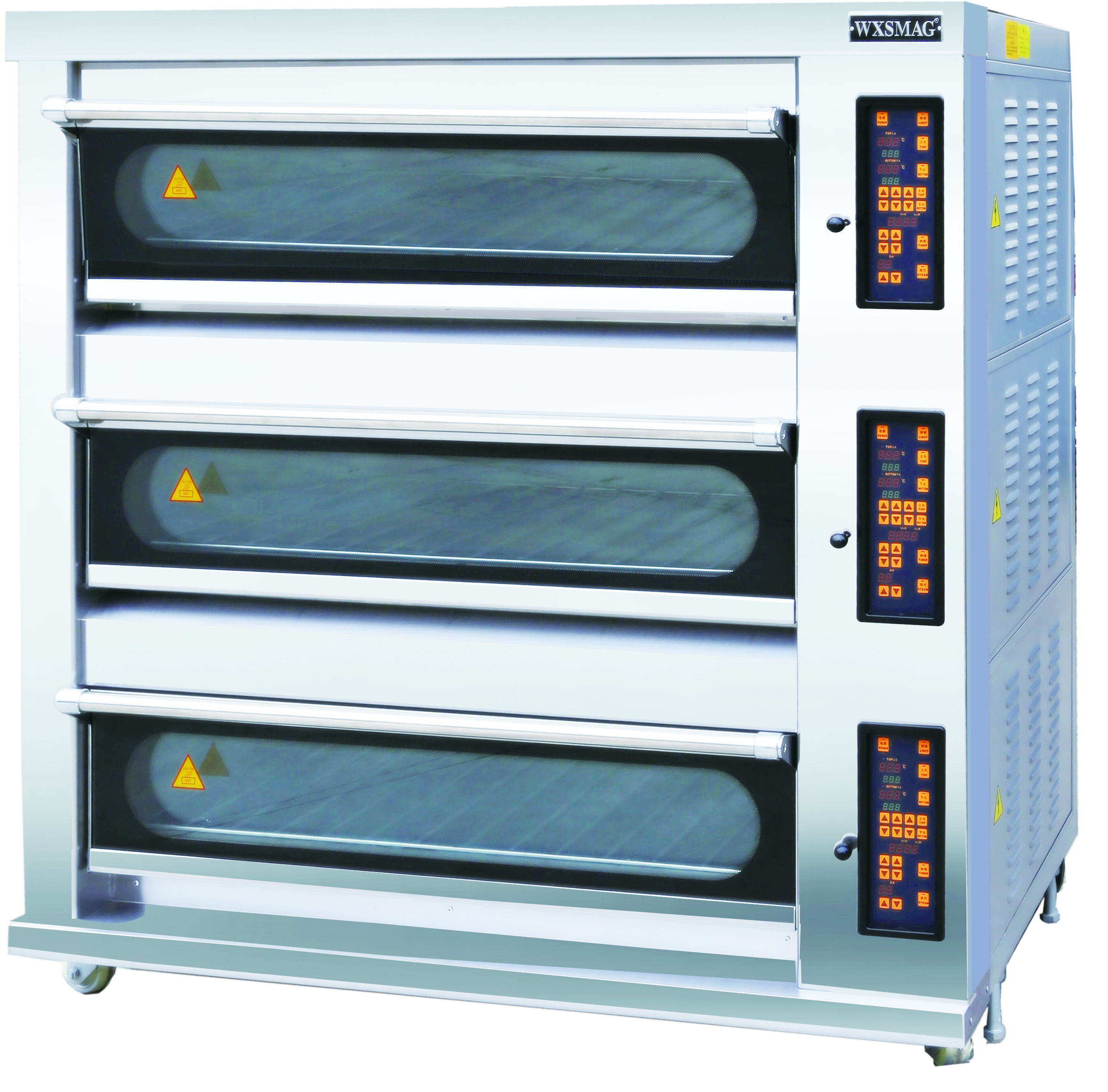
Temperature stability represents one of the most crucial factors in commercial bakery operations, particularly when scaling production of artisan bread products. Industrial bakeries processing thousands of loaves daily require precise thermal control to maintain consistent quality, reduce waste, and meet demanding production schedules. A well-engineered baguette oven must deliver uniform heat distribution across multiple baking chambers while maintaining stable temperatures throughout extended production cycles.
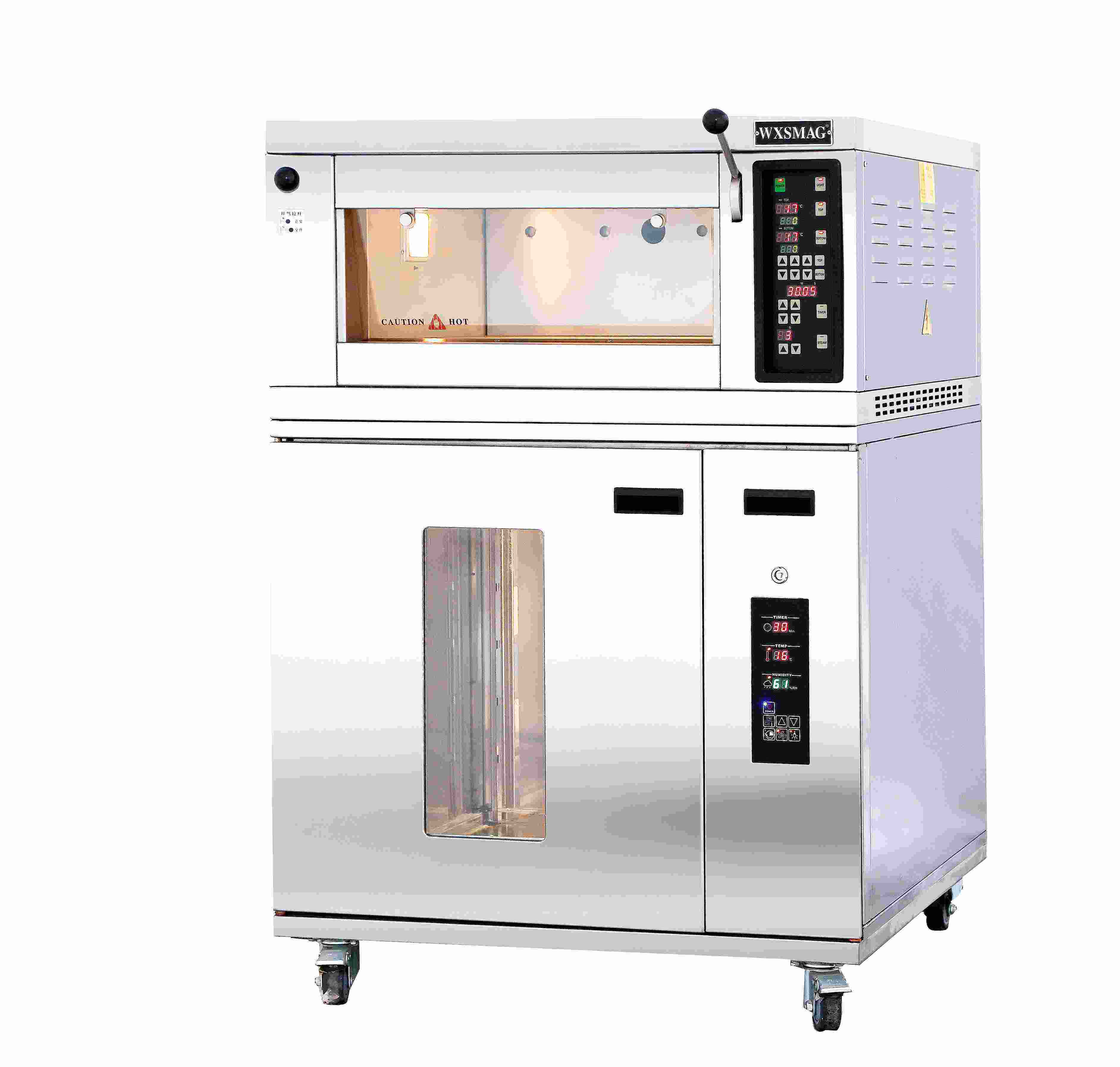
The challenges of maintaining thermal consistency become exponentially more complex as production volumes increase. Commercial operations must balance energy efficiency with performance reliability, ensuring that each batch meets the same exacting standards regardless of ambient conditions or production timing. Temperature fluctuations of even a few degrees can dramatically impact crust formation, crumb structure, and overall product quality in artisan bread production.
Understanding Thermal Dynamics in Commercial Bread Production
Heat Transfer Mechanisms in Industrial Baking
Effective heat transfer in a commercial baguette oven involves three primary mechanisms working in harmony: conduction, convection, and radiation. Conduction occurs through direct contact between the bread and heated surfaces, typically stone or steel decks that store and gradually release thermal energy. This direct heat transfer creates the characteristic crust that defines quality artisan bread products.
Convection systems circulate heated air throughout the baking chamber, ensuring uniform temperature distribution across all areas of the oven cavity. Modern commercial ovens incorporate sophisticated fan systems and air circulation patterns designed to eliminate hot spots and temperature variations that could compromise product consistency. The precision of these convection systems directly impacts the ability to maintain stable baking conditions at scale.
Radiation heat transfer contributes significantly to the browning and crust development process, with heated surfaces and chamber walls emitting infrared energy that penetrates the bread surface. The balance between these three heat transfer methods determines the overall effectiveness of the baking process and the consistency of finished products.
Temperature Zones and Chamber Design
Professional deck ovens feature multiple independently controlled temperature zones, allowing bakers to optimize conditions for different stages of the baking process. Initial high-temperature zones create rapid crust formation and oven spring, while subsequent zones maintain consistent heat for thorough baking without over-browning. This zonal approach enables precise control over the entire baking cycle.
Chamber design significantly influences temperature stability, with factors such as insulation thickness, door sealing, and internal air circulation patterns all contributing to thermal performance. Well-designed baking chambers minimize heat loss while ensuring rapid recovery after loading cycles, maintaining consistent conditions even during continuous production periods.
The thermal mass of oven components, particularly baking surfaces and chamber walls, acts as a heat reservoir that buffers against temperature fluctuations. This thermal inertia helps maintain stable conditions during door openings and loading operations, critical factors in high-volume commercial baking environments.
Impact of Temperature Variations on Product Quality
Crust Development and Texture
Temperature inconsistencies directly affect crust formation in artisan bread, with variations as small as 10-15 degrees Fahrenheit producing noticeable differences in color, thickness, and texture. Optimal crust development requires initial high heat to create rapid moisture evaporation and protein coagulation, followed by sustained moderate temperatures for complete baking.
Uneven temperature distribution across the baking surface results in irregular crust coloration and texture variations within the same batch. This inconsistency becomes particularly problematic in commercial operations where visual uniformity is essential for brand consistency and customer expectations. A properly calibrated baguette oven eliminates these variations through precise thermal control and even heat distribution.
The Maillard reaction, responsible for the complex flavors and golden-brown coloration of artisan bread crusts, requires specific temperature ranges and timing to develop properly. Temperature instability disrupts this chemical process, resulting in products with inferior flavor profiles and inconsistent appearance that can significantly impact customer satisfaction and brand reputation.
Crumb Structure and Internal Quality
Internal bread structure depends heavily on controlled temperature progression throughout the baking cycle. Initial high heat creates steam within the dough, contributing to oven spring and open crumb structure characteristic of quality artisan bread. Temperature fluctuations during this critical phase can result in dense, poorly developed crumb structure.
Moisture migration within the bread during baking requires precise temperature control to achieve proper texture and shelf life. Excessive heat causes rapid moisture loss, resulting in dry, cracked products, while insufficient heat leads to gummy texture and shortened product life. Commercial baguette oven systems must maintain consistent conditions to optimize moisture retention and internal structure development.
The gelatinization of starches and coagulation of proteins occurs within specific temperature ranges, and variations outside these parameters result in inferior texture and reduced product quality. Maintaining precise thermal control ensures consistent internal quality across all products, regardless of production volume or timing.
Scaling Challenges and Production Consistency
Batch-to-Batch Uniformity
Achieving consistent results across multiple production batches requires sophisticated temperature monitoring and control systems. Commercial operations often run continuous production cycles, making it essential that thermal conditions remain stable throughout extended periods without degradation in product quality or consistency.
Load variations and door openings during commercial production create temperature fluctuations that must be quickly compensated to maintain product consistency. Advanced baguette oven systems incorporate predictive temperature control algorithms that anticipate and correct for these disruptions before they impact product quality.
Environmental factors such as ambient temperature, humidity, and seasonal variations can influence oven performance and temperature stability. Professional-grade systems include compensation mechanisms that automatically adjust for these external factors, ensuring consistent performance regardless of operating conditions.
Energy Efficiency and Operating Costs
Temperature stability directly impacts energy consumption and operating costs in commercial baking operations. Ovens that maintain consistent temperatures require less energy to recover from thermal losses and operate more efficiently throughout production cycles. Poor temperature control results in energy waste and increased operating expenses.
Modern commercial baguette oven designs incorporate advanced insulation materials and heat recovery systems that minimize energy losses while maintaining precise temperature control. These systems reduce operating costs while improving temperature stability, providing both economic and quality benefits for commercial operators.
Predictive maintenance systems monitor temperature performance and identify potential issues before they impact production quality or energy efficiency. This proactive approach ensures optimal performance while reducing unexpected downtime and maintenance costs associated with thermal control system failures.
Advanced Temperature Control Technologies
Digital Monitoring and Control Systems
Contemporary commercial baking equipment incorporates sophisticated digital control systems that provide precise temperature monitoring and adjustment capabilities. These systems typically feature multiple temperature sensors throughout the baking chamber, providing real-time feedback on thermal conditions and enabling immediate corrections when variations are detected.
Programmable logic controllers allow operators to create and store specific temperature profiles for different products, ensuring consistent results across various bread types and production schedules. These automated systems eliminate human error and provide repeatable results that are essential for commercial-scale operations.
Data logging capabilities in modern baguette oven systems provide detailed records of temperature performance, enabling operators to analyze trends, identify potential issues, and optimize baking parameters for improved efficiency and quality. This data-driven approach supports continuous improvement in commercial baking operations.
Steam Injection and Humidity Control
Precise steam injection systems work in conjunction with temperature control to create optimal baking conditions for artisan bread products. The timing and volume of steam injection must be carefully coordinated with temperature profiles to achieve proper crust development and internal structure formation.
Humidity control systems maintain consistent moisture levels throughout the baking process, preventing excessive drying while ensuring proper crust formation. These systems integrate with temperature controls to create comprehensive environmental management that optimizes product quality and consistency in commercial production environments.
Advanced ventilation systems remove excess moisture and combustion byproducts while maintaining temperature stability and product quality. Proper ventilation design ensures that temperature control systems operate effectively without interference from humidity variations or air quality issues.
Maintenance and Calibration Requirements
Regular Calibration Procedures
Maintaining temperature accuracy requires regular calibration of monitoring sensors and control systems throughout commercial baguette oven equipment. Professional operations typically implement weekly calibration schedules using certified temperature measurement devices to ensure accuracy within acceptable tolerances.
Temperature sensor drift over time can gradually compromise baking consistency, making regular verification and adjustment essential for maintaining product quality. Professional calibration procedures include checking multiple points across the operating temperature range to ensure accuracy throughout all baking conditions.
Documentation of calibration procedures and results provides evidence of quality control measures and helps identify trends in equipment performance that may indicate maintenance needs or component wear that could affect temperature stability.
Preventive Maintenance Strategies
Regular maintenance of heating elements, insulation, and control systems prevents temperature-related issues that could disrupt production or compromise product quality. Preventive maintenance schedules should include inspection of all thermal control components and replacement of wear items before they impact performance.
Cleaning and maintenance of air circulation systems ensures optimal heat distribution and temperature uniformity throughout the baking chamber. Accumulated debris or worn components in circulation fans can create temperature variations that compromise product consistency in commercial operations.
Regular inspection and maintenance of door seals, insulation, and structural components prevents heat loss and maintains temperature stability during extended production periods. These maintenance activities are essential for preserving energy efficiency and temperature control performance over time.
FAQ
What temperature range is optimal for baking artisan baguettes
Artisan baguettes typically require initial baking temperatures between 450-475°F (232-246°C) for proper oven spring and crust development, followed by reduction to 425-450°F (218-232°C) for thorough baking without over-browning. The exact temperature profile depends on factors such as dough hydration, loaf size, and desired crust characteristics. Professional baguette oven systems provide precise control over these temperature transitions to ensure consistent results.
How quickly should temperature recovery occur after loading
Commercial ovens should recover to target temperature within 2-3 minutes after loading to minimize impact on product quality and baking consistency. Faster recovery times indicate better thermal mass and heating system capacity, which are essential for high-volume production environments. Slow temperature recovery can result in uneven baking and inconsistent product quality across batches.
What are the signs of inadequate temperature control
Common indicators of temperature control issues include uneven crust coloration, inconsistent product texture, variations in baking times between batches, and increased energy consumption. Visual inspection of finished products often reveals temperature-related problems before they impact customer satisfaction or production efficiency. Regular monitoring of these quality indicators helps identify temperature control issues early.
How does altitude affect temperature stability requirements
Higher altitudes require adjustments to temperature profiles and timing due to reduced atmospheric pressure and different moisture evaporation rates. Commercial baguette oven systems operating at altitudes above 3,000 feet typically require temperature increases of 15-25°F and adjusted baking times to achieve comparable results to sea-level operations. Professional operators should consult equipment manufacturers for specific altitude adjustment recommendations.