
 EN
EN
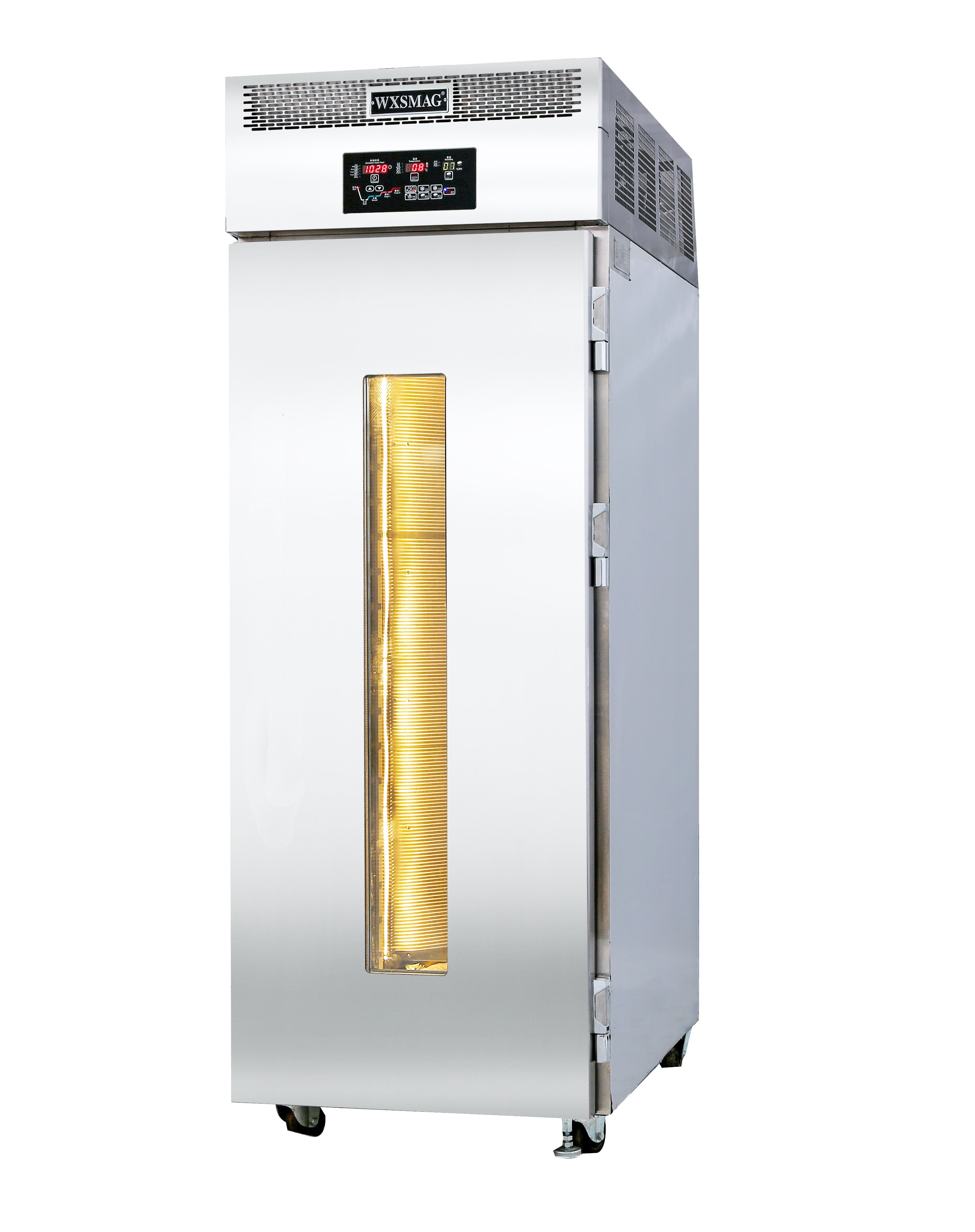
Long-term reliability of bakery equipment depends on several critical maintenance factors that directly impact operational efficiency, product quality, and overall profitability. Professional bakers understand that consistent maintenance practices can extend equipment lifespan by decades while reducing unexpected breakdowns that disrupt production schedules. The bakery industry relies heavily on specialized machinery that operates under demanding conditions, making preventive maintenance essential for sustained business success. Understanding these maintenance fundamentals helps bakery operators make informed decisions about equipment care and replacement strategies.
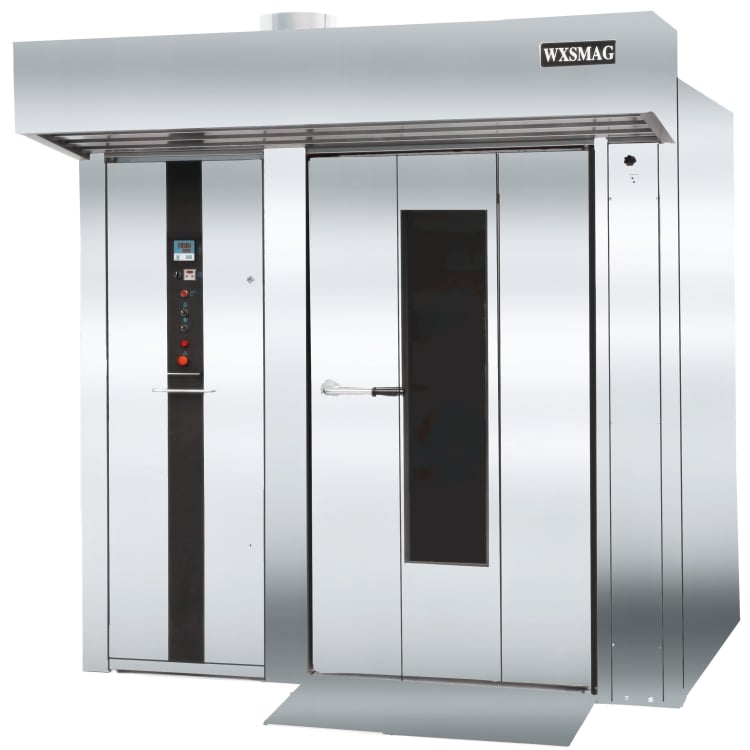
Essential Cleaning and Sanitation Protocols
Daily Cleaning Procedures for Optimal Performance
Daily cleaning routines form the foundation of effective bakery equipment maintenance. Removing flour residue, dough particles, and moisture prevents bacterial growth while protecting mechanical components from corrosive buildup. Professional bakeries implement systematic cleaning schedules that address both visible surfaces and internal mechanisms. These procedures include thorough wiping of exterior surfaces, removal of accumulated debris from moving parts, and proper sanitization of food contact areas.
Consistent daily cleaning prevents minor issues from developing into major problems that require costly repairs. Food particles left on bakery equipment can harden and create mechanical obstructions that strain motors and drive systems. Additionally, proper cleaning maintains hygiene standards required by health regulations while preserving the aesthetic appearance of commercial bakery operations.
Deep Cleaning and Sanitization Requirements
Weekly deep cleaning procedures target areas that daily maintenance cannot adequately address. This comprehensive approach involves disassembling removable components for thorough cleaning and inspection. Deep cleaning protocols ensure that bakery equipment maintains optimal performance while meeting strict food safety requirements. Professional technicians often recommend specific cleaning agents and procedures tailored to different equipment types.
Sanitization procedures must eliminate harmful bacteria and contaminants that could compromise product quality or consumer safety. Effective sanitization involves using approved chemical solutions at proper concentrations and contact times. Regular deep cleaning also provides opportunities to inspect components for wear patterns, damage, or potential failure points that require attention.
Lubrication and Mechanical Component Care
Proper Lubrication Schedules and Techniques
Lubrication represents one of the most critical aspects of bakery equipment maintenance. Moving parts require specific lubricants applied at predetermined intervals to prevent excessive wear and mechanical failure. Different components within the same piece of equipment may require different lubricant types and application frequencies. Understanding manufacturer specifications ensures that lubrication practices support rather than compromise equipment performance.
Over-lubrication can be as damaging as under-lubrication, creating conditions that attract contaminants or interfere with proper component function. Professional maintenance programs establish precise lubrication schedules based on operating hours, production volume, and environmental conditions. Regular lubrication reduces friction, minimizes heat generation, and extends the operational life of bearings, gears, and other moving components in bakery equipment.
Monitoring and Replacing Wear Components
Systematic monitoring of wear components allows bakery operators to schedule replacements before failures occur. Belts, seals, gaskets, and other consumable parts have predictable wear patterns that maintenance professionals can track through regular inspections. Proactive replacement of wear components prevents unexpected breakdowns that could halt production during critical periods.
Maintaining an inventory of critical wear components ensures rapid response to maintenance needs. Components such as mixing blades, conveyor belts, and heating elements should be replaced according to manufacturer recommendations or when inspection reveals excessive wear. Regular replacement schedules for wear components significantly improve the overall reliability of bakery equipment while reducing long-term maintenance costs.
Environmental Factors and Operating Conditions
Temperature and Humidity Control Impact
Environmental conditions significantly influence the longevity and performance of bakery equipment. High humidity levels can accelerate corrosion of metal components while extreme temperatures stress electrical systems and mechanical parts. Professional bakeries invest in climate control systems that maintain optimal operating environments for their equipment. Proper environmental management extends equipment life while ensuring consistent product quality.
Temperature fluctuations can cause thermal expansion and contraction that affects component alignment and sealing effectiveness. Bakery equipment designed for specific operating temperature ranges performs best when those parameters are maintained consistently. Monitoring environmental conditions helps operators identify potential problems before they impact equipment reliability or production quality.
Dust Control and Air Quality Management
Flour dust and airborne particles pose significant challenges for bakery equipment maintenance. These contaminants can infiltrate electrical components, clog ventilation systems, and create abrasive conditions that accelerate wear. Effective dust control systems protect sensitive components while maintaining safe working conditions for personnel. Regular cleaning of air filtration systems ensures optimal performance of both equipment and environmental controls.
Poor air quality affects not only equipment longevity but also product quality and worker health. Bakery equipment equipped with proper sealing and filtration systems operates more reliably in dusty environments. Implementing comprehensive dust control measures reduces maintenance requirements while improving overall operational efficiency.
Preventive Maintenance Programs and Documentation
Scheduled Inspection and Service Intervals
Establishing structured preventive maintenance programs ensures that bakery equipment receives attention before problems develop. These programs include detailed schedules for inspections, adjustments, and component replacements based on manufacturer recommendations and operational experience. Professional maintenance programs consider factors such as production volume, operating hours, and environmental conditions when determining service intervals.
Regular inspections identify potential issues while they remain manageable and cost-effective to address. Trained technicians can detect subtle changes in equipment performance that indicate developing problems. Scheduled maintenance intervals prevent minor issues from escalating into major failures that require emergency repairs or equipment replacement.
Record Keeping and Performance Tracking
Comprehensive documentation supports effective maintenance decision-making and helps identify patterns that affect bakery equipment reliability. Maintenance records should include service dates, procedures performed, parts replaced, and observations about equipment condition. This information helps optimize maintenance schedules while providing valuable data for equipment replacement planning.
Performance tracking enables bakery operators to quantify the effectiveness of their maintenance programs. Metrics such as equipment uptime, repair frequency, and maintenance costs provide insights into program success and areas for improvement. Well-maintained records also support warranty claims and regulatory compliance requirements.
Electrical System Maintenance and Safety
Power Quality and Electrical Component Care
Electrical systems in bakery equipment require specialized maintenance attention to ensure safe and reliable operation. Power quality issues such as voltage fluctuations, harmonic distortion, and phase imbalances can damage sensitive electronic components. Regular electrical system inspections identify potential problems while ensuring compliance with safety regulations. Professional electricians should perform all electrical maintenance to prevent safety hazards and equipment damage.
Proper electrical maintenance includes cleaning connections, checking insulation integrity, and verifying proper grounding. Bakery equipment often operates in environments with elevated moisture and temperature levels that can affect electrical components. Regular inspection and maintenance of electrical systems prevent failures that could result in production interruptions or safety incidents.
Safety Systems and Emergency Procedures
Safety systems integrated into bakery equipment require regular testing and maintenance to ensure proper function during emergencies. These systems include emergency stops, safety interlocks, and protective devices that prevent injury or equipment damage. Regular testing verifies that safety systems activate as designed and provides opportunities to identify components that need attention.
Emergency procedures should be clearly documented and regularly practiced to ensure effective response to equipment malfunctions. Personnel training on safety procedures reduces the risk of injury while minimizing equipment damage during emergency situations. Well-maintained safety systems protect both personnel and equipment investments.
Operator Training and Best Practices
Equipment Operation Procedures and Training
Proper operator training significantly impacts the long-term reliability of bakery equipment. Operators who understand correct procedures and limitations help prevent damage caused by misuse or inappropriate operation. Comprehensive training programs cover startup procedures, normal operation parameters, and shutdown protocols that protect equipment from unnecessary stress. Regular refresher training ensures that operators maintain proper techniques and stay current with equipment updates.
Training should emphasize the relationship between operator actions and equipment longevity. Understanding how operating practices affect maintenance requirements helps operators make decisions that support equipment reliability. Well-trained operators can also identify early warning signs of potential problems and take appropriate corrective action.
Troubleshooting and Problem Recognition
Teaching operators to recognize early signs of equipment problems enables rapid response that prevents minor issues from becoming major failures. Common warning signs include unusual noises, vibrations, temperature changes, or performance variations. Operators trained in basic troubleshooting can often identify and resolve simple problems without requiring specialized technical assistance.
Effective problem recognition requires understanding normal equipment operation characteristics. Operators familiar with their bakery equipment can detect subtle changes that indicate developing issues. Early recognition and reporting of problems supports proactive maintenance approaches that maximize equipment reliability and minimize repair costs.
FAQ
How often should commercial bakery equipment undergo professional maintenance
Commercial bakery equipment should receive professional maintenance quarterly for high-use operations, with monthly inspections for critical production equipment. The frequency depends on usage intensity, operating environment, and manufacturer recommendations. Heavy-duty bakery equipment operating multiple shifts daily may require more frequent attention than equipment used intermittently. Establishing maintenance schedules based on operating hours rather than calendar time often provides better results for equipment reliability.
What are the most common causes of premature bakery equipment failure
The most common causes include inadequate cleaning leading to component contamination, improper lubrication practices, and operator error during equipment operation. Environmental factors such as excessive heat, humidity, or dust exposure also contribute to premature failures. Neglecting regular maintenance schedules and using incorrect replacement parts significantly reduce equipment lifespan. Poor power quality and electrical issues represent another major category of preventable equipment failures in bakery operations.
How can bakery operators determine when equipment replacement is more cost-effective than continued repairs
Equipment replacement becomes cost-effective when annual maintenance costs exceed 50% of replacement cost, or when repairs cannot restore acceptable performance levels. Consider replacement when critical components fail repeatedly, spare parts become difficult to obtain, or safety concerns arise from aging equipment. Modern bakery equipment offers improved energy efficiency and productivity that may justify replacement even when older equipment remains functional. Conducting total cost of ownership analysis helps make informed replacement decisions.
What role does water quality play in bakery equipment maintenance
Water quality significantly impacts bakery equipment through mineral deposits, corrosion, and scaling in steam systems and cleaning operations. Hard water creates calcium buildup that reduces heat transfer efficiency and clogs components, while acidic water accelerates corrosion of metal parts. Installing appropriate water treatment systems protects equipment while improving cleaning effectiveness and reducing maintenance requirements. Regular water quality testing ensures treatment systems function properly and identifies potential problems before equipment damage occurs.
Table of Contents
- Essential Cleaning and Sanitation Protocols
- Lubrication and Mechanical Component Care
- Environmental Factors and Operating Conditions
- Preventive Maintenance Programs and Documentation
- Electrical System Maintenance and Safety
- Operator Training and Best Practices
-
FAQ
- How often should commercial bakery equipment undergo professional maintenance
- What are the most common causes of premature bakery equipment failure
- How can bakery operators determine when equipment replacement is more cost-effective than continued repairs
- What role does water quality play in bakery equipment maintenance