
 EN
EN
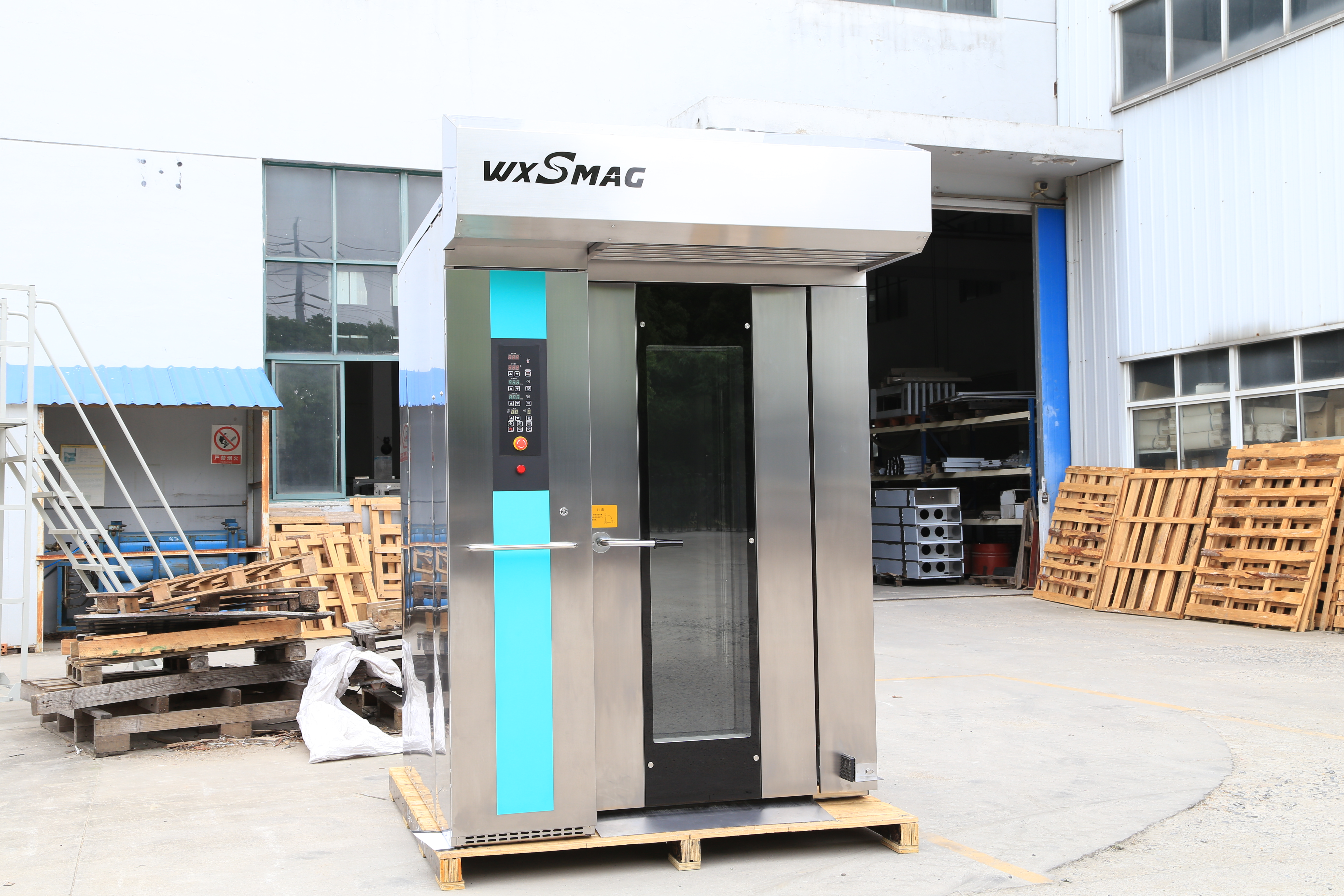
Selecting the perfect baguette oven is a critical decision that can significantly impact the quality, efficiency, and profitability of your bakery operations. Whether you're a professional baker, restaurant owner, or commercial food service provider, understanding the key factors that influence baguette oven performance will help you make an informed investment. The right baguette oven not only ensures consistent product quality but also optimizes energy consumption and maximizes production capacity for your specific business requirements.
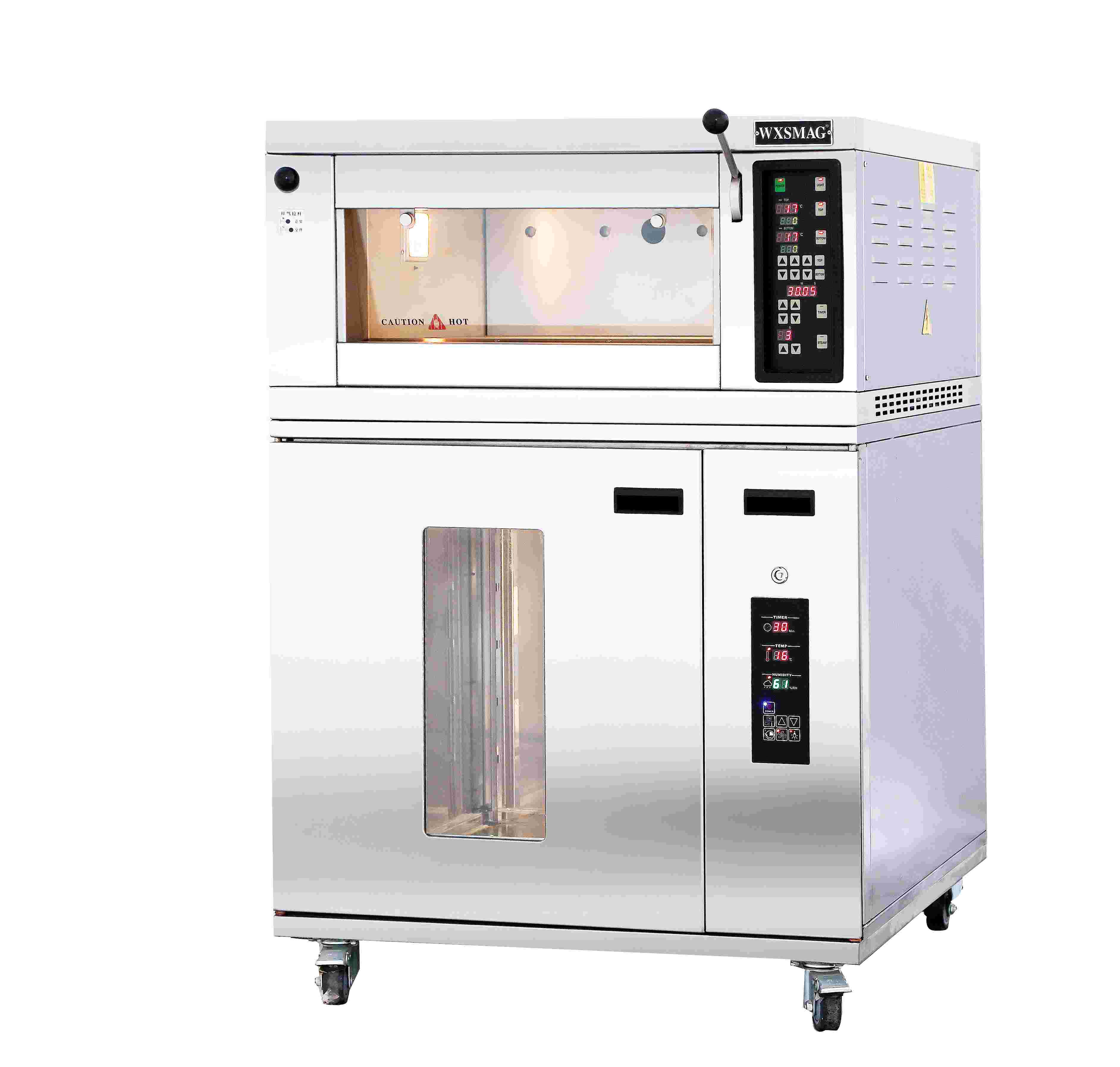
Understanding Baguette Oven Types and Technologies
Deck Oven Systems for Professional Baking
Deck ovens represent the gold standard for professional baguette production, offering superior heat distribution and steam injection capabilities. These ovens feature stone or ceramic decks that retain and radiate heat evenly, creating the ideal environment for achieving authentic French baguette characteristics. A quality deck baguette oven provides precise temperature control across multiple zones, allowing bakers to customize heating profiles for different bread varieties. The thermal mass of deck ovens ensures consistent baking results even during high-volume production periods.
Modern deck baguette oven systems incorporate advanced steam generation technology that is essential for proper crust development. Steam injection during the initial baking phase creates the glossy, crisp exterior that defines premium baguettes while maintaining optimal interior moisture content. Professional deck ovens typically offer programmable steam cycles, enabling bakers to achieve consistent results with minimal manual intervention.
Convection Oven Solutions for High-Volume Production
Convection baguette oven models utilize forced air circulation to achieve rapid, uniform heating throughout the baking chamber. These systems excel in high-volume commercial applications where production speed and consistency are paramount. The circulating hot air in a convection baguette oven reduces baking times while maintaining even browning across all product surfaces. This technology is particularly beneficial for operations requiring quick turnaround times and standardized product appearance.
Advanced convection baguette oven designs incorporate humidity control systems that can replicate the steam effects traditionally associated with deck ovens. Variable fan speed controls allow operators to adjust air circulation intensity based on specific product requirements, making these ovens versatile solutions for diverse bakery applications.
Key Performance Specifications and Capacity Considerations
Production Volume and Batch Size Requirements
Determining the appropriate baguette oven capacity requires careful analysis of your current and projected production volumes. Commercial bakeries typically measure capacity in terms of baguettes per hour or loaves per batch cycle. A properly sized baguette oven should handle peak demand periods without compromising quality or creating production bottlenecks. Consider factors such as seasonal variations, special orders, and potential business growth when evaluating capacity requirements.
Multi-deck baguette oven configurations provide increased production capacity within a smaller footprint, making them ideal for space-constrained commercial kitchens. The number of deck levels directly impacts hourly output, with some professional models accommodating up to six decks for maximum productivity. Each deck level should maintain independent temperature and steam controls to ensure optimal baking conditions across all products.
Energy Efficiency and Operating Cost Analysis
Modern baguette oven systems incorporate energy-efficient technologies that significantly reduce operating costs while maintaining superior baking performance. Insulation quality, heat recovery systems, and programmable controls all contribute to overall energy efficiency. High-efficiency baguette oven models feature advanced insulation materials that minimize heat loss and reduce ambient temperature increases in the kitchen environment.
Energy management systems in contemporary baguette oven designs include features such as standby modes, optimized heating cycles, and heat recovery ventilation. These technologies can reduce energy consumption by up to thirty percent compared to traditional oven designs while maintaining consistent baking quality. Evaluate total cost of ownership including energy costs, maintenance requirements, and expected service life when comparing different baguette oven options.
Essential Features for Professional Baguette Production
Steam Generation and Humidity Control Systems
Proper steam generation is absolutely critical for achieving authentic baguette characteristics, making this feature a primary consideration in baguette oven selection. Professional-grade steam systems provide precise control over humidity levels throughout the baking cycle, enabling bakers to create the perfect crust texture and appearance. Steam injection timing and intensity directly impact crust development, interior moisture retention, and overall product quality.
Advanced baguette oven models feature programmable steam profiles that can be customized for different bread varieties and production requirements. These systems often include multiple steam injection points within the baking chamber to ensure uniform humidity distribution. Some high-end units incorporate atmospheric steam generation that creates optimal baking conditions without requiring external steam sources or complex plumbing connections.
Temperature Control and Heat Distribution Technology
Precision temperature control represents another fundamental requirement for professional baguette production. Quality baguette oven systems provide independent temperature zones that can be adjusted to accommodate varying product sizes and baking requirements. Multi-zone heating allows bakers to create temperature gradients within the oven chamber, optimizing heat exposure for different stages of the baking process.
Heat distribution technology varies significantly between different baguette oven designs, with each approach offering distinct advantages. Radiant heating from stone decks provides gentle, even heat that penetrates products gradually, while forced convection systems deliver rapid, intense heating for faster production cycles. The most advanced baguette oven models combine multiple heating methods to provide maximum flexibility and control over the baking environment.
Installation Requirements and Space Planning Considerations
Ventilation and Exhaust System Integration
Proper ventilation design is essential for safe and efficient baguette oven operation, requiring careful coordination with existing kitchen exhaust systems. Commercial baguette oven installations must comply with local fire codes and health department regulations regarding exhaust requirements. Heat and moisture removal capabilities should match the thermal output and steam generation capacity of the selected oven system.
Modern baguette oven designs often incorporate built-in exhaust connections that simplify installation and ensure optimal ventilation performance. Some models feature heat recovery systems that capture waste heat from exhaust gases to preheat incoming air or water, improving overall energy efficiency. Consider the impact of ventilation requirements on kitchen layout and existing HVAC systems when planning your baguette oven installation.
Electrical and Gas Infrastructure Requirements
Infrastructure requirements for baguette oven installation vary significantly depending on the selected model and capacity. Electric baguette oven systems typically require three-phase power connections with appropriate voltage and amperage ratings to support heating elements and control systems. Gas-fired models need adequate gas line sizing and pressure regulation to ensure consistent fuel delivery during peak operation periods.
Utility requirements should be evaluated early in the selection process to avoid costly infrastructure modifications during installation. Professional baguette oven manufacturers typically provide detailed utility specifications including electrical load calculations, gas consumption rates, and water requirements for steam generation systems. Consult with qualified contractors to assess your existing infrastructure capacity and identify any necessary upgrades before finalizing your equipment selection.
Maintenance Requirements and Long-Term Reliability
Routine Maintenance Protocols and Service Access
Regular maintenance is crucial for maintaining optimal baguette oven performance and extending equipment service life. Professional oven systems require scheduled cleaning, calibration, and component inspection to ensure consistent baking results and prevent unexpected failures. Easy access to critical components such as heating elements, steam generators, and control systems simplifies maintenance procedures and reduces service costs.
Quality baguette oven manufacturers provide comprehensive maintenance documentation including cleaning procedures, lubrication schedules, and component replacement intervals. Some advanced systems incorporate diagnostic capabilities that monitor critical parameters and alert operators to potential issues before they impact production. Consider the availability of local service support and replacement parts when evaluating different baguette oven brands and models.
Component Durability and Replacement Part Availability
Component quality and durability directly impact the total cost of ownership for commercial baguette oven systems. High-grade materials such as stainless steel construction, ceramic fiber insulation, and industrial-grade heating elements provide superior longevity under demanding commercial conditions. Evaluate warranty coverage and expected service life for major components when comparing different oven options.
Replacement part availability becomes increasingly important as equipment ages, making manufacturer reputation and service network crucial selection factors. Established baguette oven manufacturers typically maintain extensive parts inventories and provide ongoing technical support throughout the equipment lifecycle. Consider the potential impact of parts availability on production continuity when making your final equipment decision.
Cost Analysis and Return on Investment Considerations
Initial Investment and Financing Options
The initial cost of a professional baguette oven represents a significant capital investment that requires careful financial analysis. Pricing varies dramatically based on capacity, features, and construction quality, with entry-level commercial models starting around ten thousand dollars and high-end systems exceeding fifty thousand dollars. Consider both the purchase price and installation costs when developing your budget for a new baguette oven system.
Many equipment manufacturers and dealers offer financing options that can help spread the investment over several years while providing immediate access to improved production capabilities. Lease agreements may provide tax advantages and preserve working capital for other business needs. Evaluate the total cost of financing against the projected increase in revenue and operational efficiency when considering different payment options.
Operational Efficiency and Productivity Gains
Modern baguette oven systems can significantly improve production efficiency through automated controls, consistent baking results, and reduced labor requirements. Energy-efficient designs reduce utility costs while programmable controls minimize operator training requirements and improve product consistency. Calculate the potential savings in labor costs, energy consumption, and product waste when evaluating the return on investment for a new baguette oven.
Improved product quality and consistency can also drive revenue increases through premium pricing and customer retention. A professional-grade baguette oven enables bakeries to produce restaurant-quality products that command higher margins compared to standard commercial bread. Consider both cost savings and revenue enhancement opportunities when analyzing the financial benefits of upgrading your baking equipment.
FAQ
What size baguette oven do I need for my bakery?
The appropriate baguette oven size depends on your daily production requirements, available space, and growth projections. For small artisan bakeries producing 50-100 baguettes daily, a single-deck oven with 4-6 baguette capacity per batch may suffice. Medium-volume operations requiring 200-500 baguettes daily typically benefit from multi-deck systems or larger single-deck units. High-volume commercial bakeries producing over 1000 baguettes daily should consider conveyor systems or multiple deck configurations to meet demand efficiently.
How important is steam injection in a baguette oven?
Steam injection is absolutely essential for producing authentic French baguettes with proper crust development and interior texture. The steam creates the characteristic glossy, crispy exterior while preventing the dough surface from setting too quickly during the initial baking phase. Without adequate steam control, baguettes will lack the distinctive crust characteristics that define quality artisan bread. Professional baguette oven systems should provide programmable steam cycles with precise timing and intensity controls.
What maintenance is required for commercial baguette ovens?
Regular maintenance for commercial baguette ovens includes daily cleaning of baking surfaces and steam generators, weekly deep cleaning of the baking chamber, and monthly inspection of heating elements and control systems. Quarterly maintenance should include calibration of temperature and steam controls, inspection of insulation integrity, and lubrication of moving components. Annual professional service should verify all safety systems, replace worn components, and perform comprehensive performance testing to ensure optimal operation.
Can I retrofit my existing oven for baguette production?
Retrofitting existing ovens for baguette production is possible but often limited by the original design constraints. Standard convection ovens can be modified with steam injection systems, but may not achieve the same results as purpose-built baguette oven equipment. Deck ovens designed for pizza or general baking may work well for baguettes with proper steam system additions. However, the most reliable results typically come from ovens specifically engineered for artisan bread production with integrated steam generation and precise temperature control systems.
Table of Contents
- Understanding Baguette Oven Types and Technologies
- Key Performance Specifications and Capacity Considerations
- Essential Features for Professional Baguette Production
- Installation Requirements and Space Planning Considerations
- Maintenance Requirements and Long-Term Reliability
- Cost Analysis and Return on Investment Considerations
- FAQ