
 EN
EN
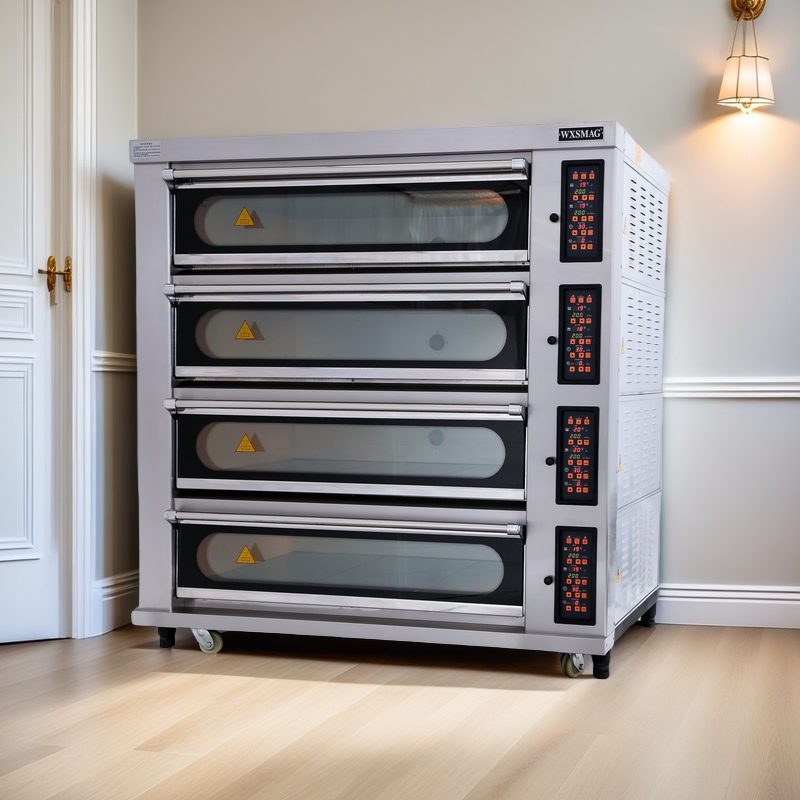
Setting up a successful commercial bakery requires careful consideration of essential equipment that will determine your production capacity, product quality, and operational efficiency. The right bakery equipment serves as the foundation for consistent output, meeting customer demands, and maintaining competitive advantage in today's dynamic food service industry. Whether you're launching a new bakery or upgrading your existing facility, investing in quality commercial-grade machinery will significantly impact your bottom line and customer satisfaction levels.
Essential Baking and Oven Systems
Commercial Convection Ovens
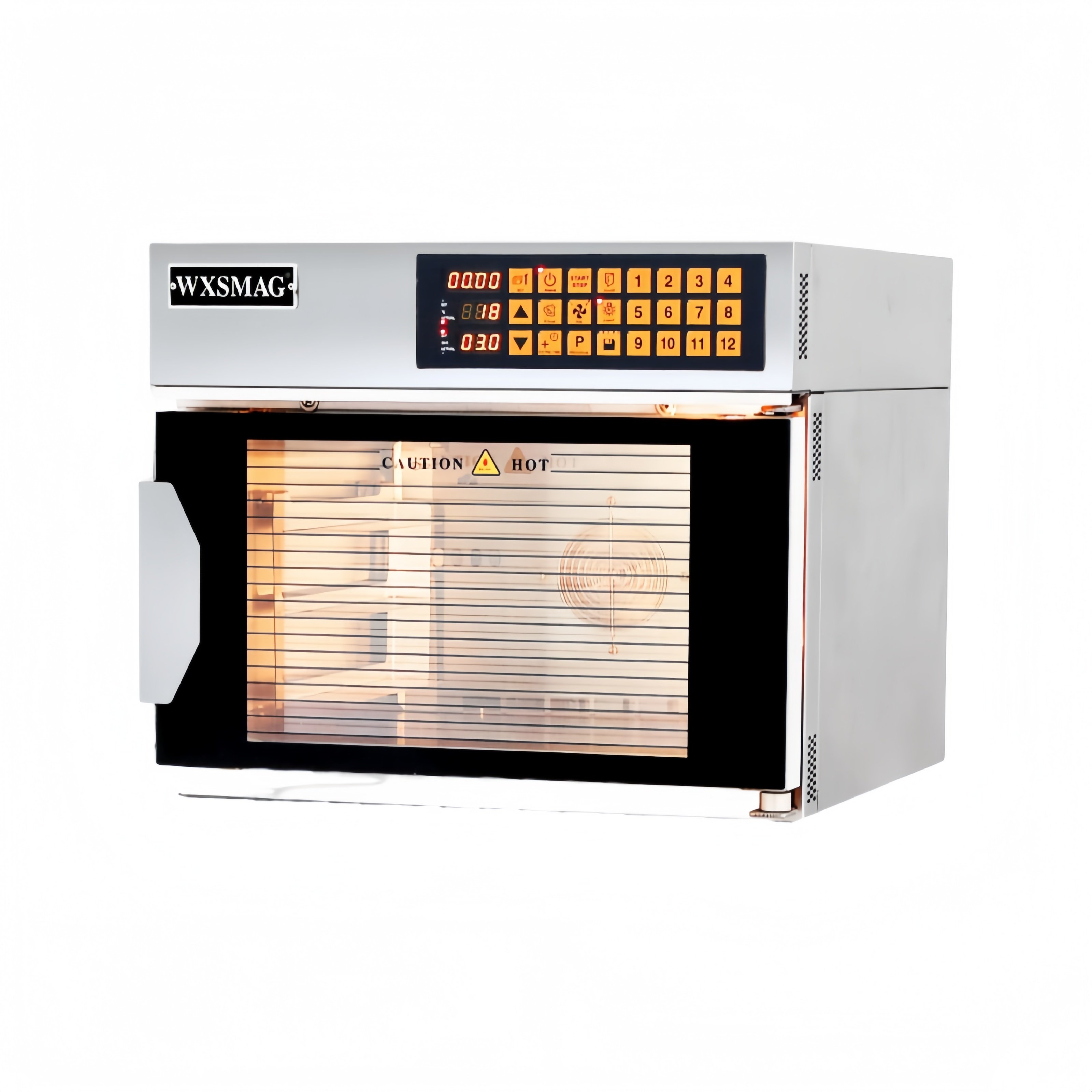
Commercial convection ovens represent the cornerstone of any professional baking operation, providing consistent heat distribution and precise temperature control essential for quality baked goods. These ovens utilize forced air circulation to ensure even baking across multiple rack levels, making them ideal for high-volume production environments. Modern convection systems feature programmable controls, steam injection capabilities, and energy-efficient designs that reduce operating costs while maintaining superior performance standards.
When selecting convection ovens for your bakery, consider factors such as chamber size, energy source preferences, and specific baking requirements. Gas-powered units typically offer lower operating costs, while electric models provide more precise temperature control and easier installation. The capacity should align with your projected daily output, accounting for peak production periods and future growth projections.
Deck Ovens for Artisan Products
Deck ovens provide the traditional stone hearth baking environment preferred for artisan breads, pizzas, and specialty baked goods requiring direct radiant heat. These ovens feature individual deck controls, allowing bakers to maintain different temperatures simultaneously for various products. The thermal mass of deck ovens creates ideal conditions for crusty exteriors and properly developed crumb structures in bread products.
Professional deck ovens often include steam injection systems for proper crust development and enhanced product appearance. Multiple deck configurations maximize space utilization while providing flexibility for diverse product lines. Consider loading mechanisms, clearance requirements, and maintenance accessibility when planning deck oven installations in your bakery layout.
Mixing and Preparation Equipment
Commercial Stand Mixers
High-capacity stand mixers form the backbone of dough preparation in commercial bakeries, handling everything from delicate cake batters to heavy bread doughs with consistent results. These powerful machines feature variable speed controls, bowl guards for safety, and interchangeable attachments that expand their functionality beyond basic mixing operations. Planetary mixers remain the most versatile choice for bakeries producing diverse product lines.
Commercial mixers range from countertop models suitable for smaller operations to floor-standing units capable of handling hundreds of pounds of dough per batch. Stainless steel construction ensures durability and easy sanitation, while gear-driven mechanisms provide reliable power transmission even under heavy loads. Investment in quality mixing equipment directly correlates with production efficiency and product consistency.
Spiral Mixers for Bread Production
Spiral mixers excel in bread production environments, offering superior gluten development through their unique mixing action that rotates both bowl and spiral hook simultaneously. This specialized bakery equipment minimizes oxidation while maximizing dough strength, resulting in better volume and texture in finished bread products. The efficient mixing action reduces processing time and energy consumption compared to traditional planetary mixers.
Fixed bowl spiral mixers provide excellent stability for consistent results, while removable bowl models offer greater flexibility for dough handling and cleaning procedures. Consider production volume requirements, available floor space, and specific bread types when selecting spiral mixer capacity and configuration options for your commercial bakery operation.
Cooling and Finishing Systems
Commercial Cooling Racks
Efficient cooling systems ensure proper product development while maintaining food safety standards throughout your bakery operation. Commercial cooling racks provide adequate air circulation around freshly baked products, preventing condensation buildup that could compromise texture and shelf life. Mobile rack systems enable flexible workflow management and efficient space utilization in production areas.
Aluminum construction offers lightweight durability and excellent heat dissipation properties, while stainless steel options provide superior sanitation characteristics for sensitive product applications. Consider rack spacing, weight capacity, and compatibility with your existing sheet pan inventory when planning cooling system requirements for your bakery equipment lineup.
Blast Chilling Solutions
Blast chillers rapidly reduce product temperatures to safe storage levels while preserving quality characteristics essential for extended shelf life and food safety compliance. These specialized cooling systems prevent bacterial growth and maintain optimal texture in finished goods destined for retail distribution or extended storage periods. Modern blast chillers feature programmable cycles tailored to specific product types and cooling requirements.
Integration with existing production workflows maximizes efficiency while meeting regulatory requirements for temperature control documentation. Consider capacity requirements, energy efficiency ratings, and maintenance accessibility when evaluating blast chilling solutions for your commercial bakery operation.
Specialized Production Equipment
Dough Sheeters and Molders
Automated dough processing equipment streamlines production while ensuring consistent product dimensions and weights essential for uniform baking results. Dough sheeters create precise thickness control for pastries, croissants, and laminated dough products, while molding equipment shapes bread loaves and rolls to exact specifications. These machines significantly reduce labor requirements while improving product consistency.
Variable speed controls and adjustable settings accommodate diverse dough types and product specifications within the same production run. Safety features and easy cleaning procedures ensure compliance with food safety regulations while minimizing downtime for maintenance activities. Consider throughput requirements and product variety when selecting automated processing equipment for your bakery.
Proofing Cabinets and Retarders
Controlled environment proofing systems maintain optimal temperature and humidity conditions for consistent yeast activity and proper dough development. These specialized chambers allow precise timing control over fermentation processes, enabling scheduled production runs and improved workflow management. Retarder capabilities extend holding times while maintaining product quality for flexible baking schedules.
Modern proofing systems feature programmable controls, uniform air distribution, and easy loading mechanisms that integrate seamlessly with existing production equipment. Consider capacity requirements, energy efficiency, and compatibility with your sheet pan inventory when planning proofing system installations in your bakery equipment configuration.
Storage and Handling Solutions
Ingredient Storage Systems
Proper ingredient storage maintains quality while ensuring efficient workflow and inventory management throughout your bakery operation. Specialized storage solutions protect dry goods from moisture and contamination while providing easy access for production staff. Mobile ingredient bins and dispensing systems streamline recipe scaling and reduce waste through precise measurement capabilities.
Stainless steel construction resists corrosion and facilitates thorough cleaning procedures essential for food safety compliance. Consider storage capacity, mobility requirements, and compatibility with existing facility layouts when planning ingredient storage solutions for your commercial bakery equipment needs.
Refrigeration and Freezer Units
Commercial refrigeration maintains ingredient quality and extends shelf life for finished products while meeting strict temperature control requirements. Walk-in coolers and freezers provide bulk storage capacity, while reach-in units offer convenient access for frequently used items. Energy-efficient systems reduce operating costs while maintaining consistent temperatures essential for food safety compliance.
Consider storage requirements, energy efficiency ratings, and maintenance accessibility when selecting refrigeration solutions for your bakery operation. Proper sizing ensures adequate capacity without excessive energy consumption, while reliable temperature monitoring systems provide documentation for regulatory compliance requirements.
FAQ
What factors should I consider when budgeting for commercial bakery equipment
Budget planning for bakery equipment should include initial purchase costs, installation expenses, ongoing maintenance requirements, and energy consumption projections. Consider financing options, warranty coverage, and supplier support when evaluating total cost of ownership. Factor in production capacity needs, space requirements, and future expansion plans to ensure equipment investments align with business growth objectives.
How do I determine the right capacity for my commercial ovens
Oven capacity selection depends on projected daily production volumes, peak demand periods, and product mix requirements. Calculate hourly throughput needs based on baking times and batch sizes for your primary products. Allow for growth projections and seasonal fluctuations while considering energy costs and space constraints in your facility layout planning.
What maintenance procedures are essential for commercial bakery equipment
Regular maintenance schedules should include daily cleaning procedures, weekly lubrication of moving parts, and monthly inspection of safety systems. Professional servicing ensures optimal performance and extends equipment lifespan while maintaining warranty coverage. Document maintenance activities for compliance purposes and establish relationships with qualified service technicians for prompt repair support.
How can I maximize energy efficiency in my bakery equipment selection
Energy efficiency improvements include selecting ENERGY STAR certified equipment, implementing proper insulation practices, and utilizing programmable controls for optimal operating schedules. Consider heat recovery systems, LED lighting upgrades, and variable speed drives where applicable. Regular maintenance and staff training on efficient operating procedures further reduce energy consumption and operating costs.