
 EN
EN
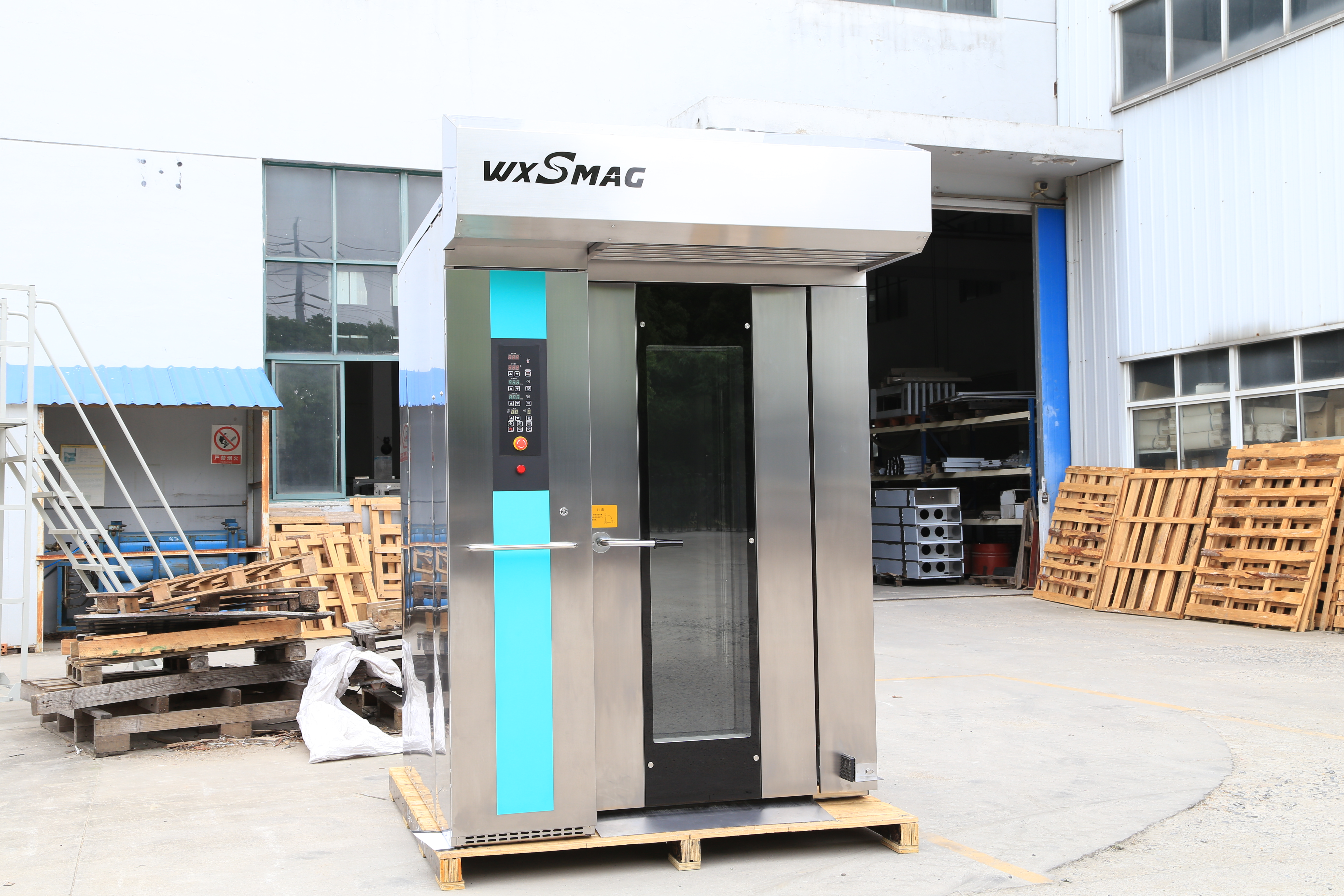
The bakery industry continues to evolve rapidly as consumer preferences shift toward artisanal bread products, particularly traditional French baguettes. For bakery owners contemplating equipment upgrades in 2026, timing the investment in a baguette oven requires careful consideration of market trends, seasonal patterns, and operational requirements. Understanding when to make this crucial investment can significantly impact your bakery's profitability and competitive position in the marketplace.
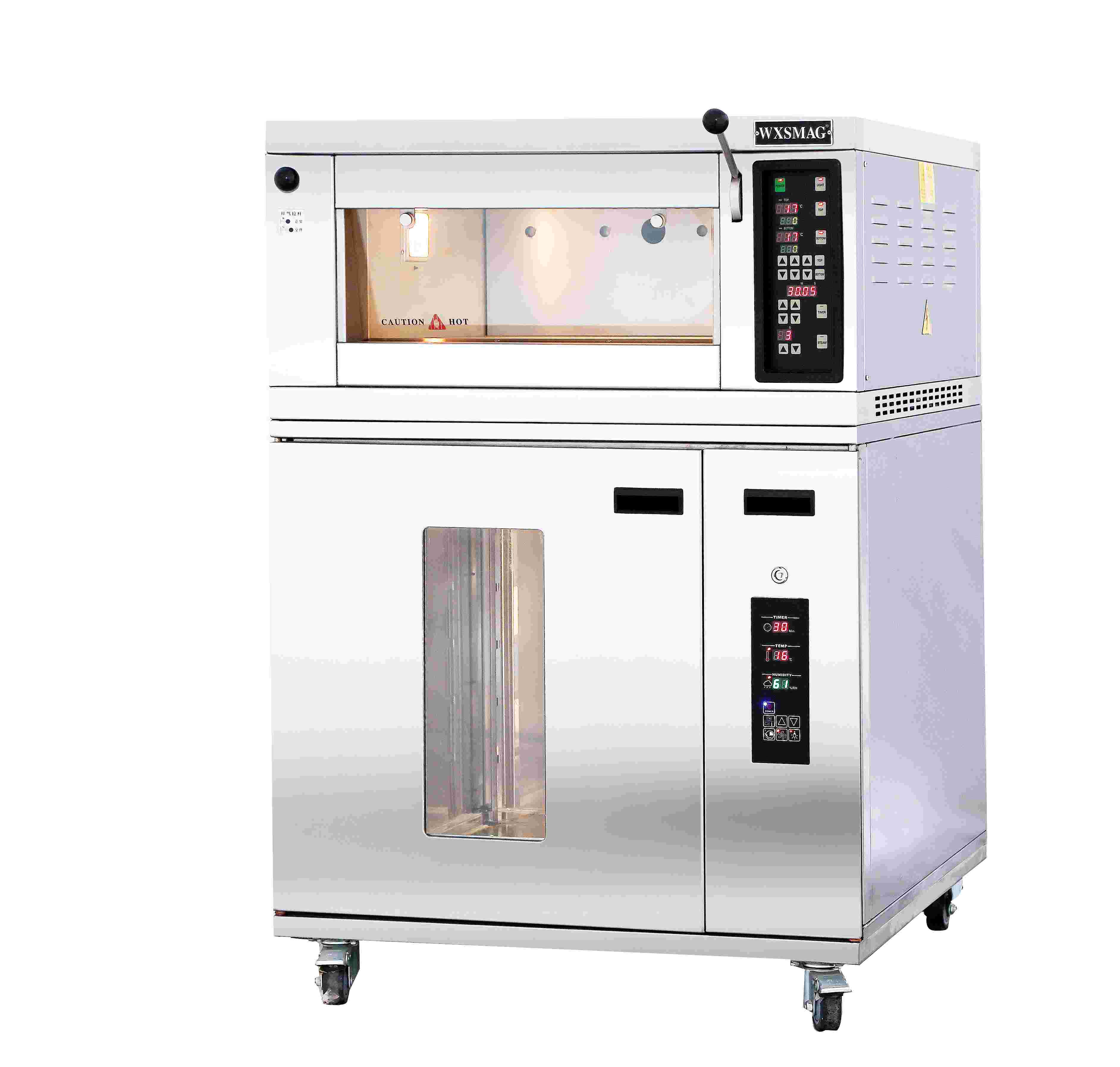
Seasonal Market Dynamics for Baguette Production
Peak Demand Periods
The demand for fresh baguettes typically experiences significant fluctuations throughout the year, with certain periods showing markedly higher consumption rates. Spring and summer months often witness increased foot traffic in bakeries as tourists explore local culinary offerings and residents enjoy outdoor dining experiences. During these peak seasons, a high-capacity baguette oven becomes essential for meeting customer expectations and maximizing revenue potential.
Holiday seasons present another crucial window where baguette production needs surge dramatically. French holiday traditions, international celebrations, and local festivals create substantial demand spikes that can overwhelm bakeries using inadequate equipment. Investing in a professional baguette oven before these peak periods ensures your bakery can capitalize on increased sales opportunities without compromising product quality or customer satisfaction.
Off-Season Investment Advantages
Winter months typically offer the most advantageous timing for baguette oven installation and staff training. Lower customer volumes during this period provide opportunities for equipment testing, recipe refinement, and employee skill development without disrupting regular operations. Additionally, equipment suppliers often provide better pricing and installation scheduling during these quieter months, making winter an economically favorable time for major equipment investments.
The reduced operational pressure during off-peak seasons allows bakery owners to thoroughly evaluate different baguette oven models, compare specifications, and negotiate favorable terms with suppliers. This comprehensive approach ensures the selected equipment aligns perfectly with long-term business objectives and production requirements.
Financial Planning Considerations
Budget Allocation Strategies
Successful baguette oven investments require strategic financial planning that extends beyond the initial equipment purchase price. Smart bakery owners typically allocate funds for installation costs, utility upgrades, staff training programs, and initial inventory requirements. Creating a comprehensive budget that accounts for these additional expenses prevents financial strain and ensures smooth equipment integration.
Equipment financing options have become increasingly flexible in 2026, with manufacturers and financial institutions offering specialized programs for bakery equipment purchases. Lease-to-own arrangements, seasonal payment schedules, and equipment upgrade programs provide alternative financing structures that can better align with your bakery's cash flow patterns and growth projections.
Return on Investment Timeline
Modern baguette oven technology typically delivers measurable returns within 12 to 18 months when properly implemented in established bakeries. The enhanced production capacity, improved product consistency, and reduced labor requirements contribute to both increased revenue generation and operational cost reductions. Calculating your expected payback period helps determine the optimal investment timing based on current financial position and market conditions.
Energy efficiency improvements in contemporary baguette oven designs significantly impact long-term operating costs. Advanced insulation materials, precision temperature controls, and optimized heating elements can reduce energy consumption by 20-30% compared to older equipment models, creating substantial savings over the equipment's operational lifespan.
Technology Trends and Equipment Innovation
Advanced Baking Features
The latest generation of professional baguette ovens incorporates sophisticated technology that enhances both product quality and operational efficiency. Steam injection systems, programmable baking profiles, and automated loading mechanisms represent significant advancements that justify equipment upgrades even for bakeries with functional existing ovens.
Digital control interfaces allow precise customization of baking parameters for different baguette styles, ensuring consistent results across multiple production runs. These technological improvements enable smaller bakeries to achieve product quality levels previously available only to large commercial operations, creating competitive advantages in local markets.
Energy Efficiency Improvements
Environmental considerations and rising energy costs make efficiency a primary factor in baguette oven selection decisions. Modern designs incorporate heat recovery systems, improved insulation materials, and intelligent power management features that significantly reduce operational costs while maintaining superior baking performance.
Manufacturers increasingly focus on sustainable design principles, using recyclable materials and implementing manufacturing processes that minimize environmental impact. These considerations appeal to environmentally conscious consumers and may qualify businesses for green energy rebates and tax incentives.
Market Competition and Positioning
Competitive Advantage Timing
Entering the artisanal baguette market before competitors can establish a significant first-mover advantage in local markets. Early investment in high-quality baguette oven equipment allows bakeries to build customer loyalty, refine production processes, and establish market positioning before facing direct competition.
The artisanal bread trend continues gaining momentum throughout 2026, with consumers increasingly willing to pay premium prices for authentic, high-quality baked goods. Bakeries equipped with professional baguette oven systems can command higher profit margins while building strong brand recognition in their local markets.
Customer Demand Indicators
Monitoring local market indicators helps identify optimal timing for baguette oven investments. Increased tourist activity, new restaurant openings featuring French cuisine, and growing interest in artisanal foods signal potential market expansion that justifies equipment investments.
Social media engagement, customer requests, and sales data from existing bread products provide valuable insights into market readiness for expanded baguette offerings. These metrics help bakery owners make data-driven decisions about investment timing and expected market reception.
Installation and Setup Considerations
Infrastructure Requirements
Professional baguette oven installations often require significant infrastructure modifications, including electrical upgrades, ventilation system enhancements, and floor reinforcement. Planning these improvements during slower business periods minimizes operational disruptions and allows for thorough project completion without rushing critical installation steps.
Working with experienced installation teams ensures proper equipment setup and optimal performance from day one. Many baguette oven manufacturers provide comprehensive installation services that include utility connections, initial calibration, and operator training programs designed to maximize equipment effectiveness.
Staff Training Programs
Successful baguette oven implementation requires comprehensive staff training that covers equipment operation, maintenance procedures, and product quality standards. Scheduling training programs during off-peak periods allows thorough skill development without compromising customer service or production schedules.
Advanced baguette oven systems often include sophisticated controls and features that require specialized knowledge for optimal utilization. Investing time in proper training ensures your team can fully leverage the equipment's capabilities and maintain consistent product quality standards.
FAQ
What is the typical lifespan of a commercial baguette oven
High-quality commercial baguette ovens typically operate effectively for 15-20 years with proper maintenance and care. Regular cleaning, component replacement, and professional servicing can extend equipment lifespan while maintaining optimal baking performance throughout the operational period.
How much space is required for baguette oven installation
Space requirements vary significantly based on oven capacity and design, but most commercial baguette ovens require 8-12 feet of floor space plus adequate clearance for loading, maintenance access, and proper ventilation. Consulting with equipment specialists ensures accurate space planning for your specific installation requirements.
Can existing bakeries retrofit baguette oven equipment
Most established bakeries can successfully integrate baguette oven equipment with appropriate planning and infrastructure modifications. Professional installation teams assess existing facilities and recommend necessary upgrades to accommodate new equipment while maintaining operational efficiency and safety standards.
What maintenance requirements are associated with baguette oven operation
Regular maintenance includes daily cleaning procedures, weekly deep cleaning cycles, monthly component inspections, and annual professional servicing. Following manufacturer maintenance schedules ensures optimal performance, extends equipment lifespan, and maintains food safety standards throughout the baguette oven's operational life.