
 EN
EN
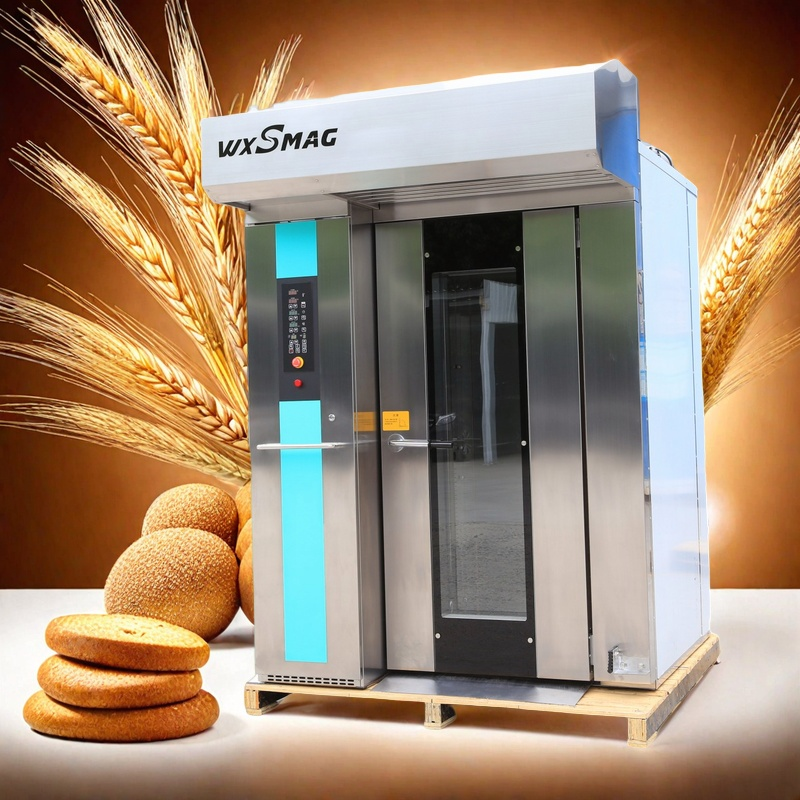
Commercial bakeries require specialized bakery equipment to produce high-quality baked goods efficiently and consistently. From industrial ovens to precision mixing systems, the right equipment forms the foundation of any successful bakery operation. Understanding the essential types of bakery equipment helps commercial kitchen operators make informed purchasing decisions that impact both productivity and profitability. Modern bakery equipment combines traditional baking principles with advanced technology to meet the demanding requirements of commercial food production.
Essential Mixing and Preparation Equipment
Commercial Stand Mixers
Commercial stand mixers represent the backbone of most bakery operations, handling everything from bread dough to delicate cake batters. These powerful machines differ significantly from residential models, featuring robust motors capable of continuous operation and large-capacity bowls that accommodate commercial batch sizes. Professional bakery equipment includes spiral mixers specifically designed for bread production, which provide gentle yet thorough kneading action that develops gluten structure without overworking the dough.
Planetary mixers offer versatility for various mixing tasks, with multiple attachment options including dough hooks, paddle beaters, and wire whips. The selection of appropriate mixing equipment depends on production volume, product types, and operational efficiency requirements. High-capacity mixers can process 50 to 200 pounds of dough per batch, significantly reducing labor costs and improving consistency across production runs.
Dough Preparation Systems
Specialized dough preparation systems streamline the bread-making process through automated ingredient dispensing and mixing controls. These advanced systems integrate flour storage, water temperature control, and precise ingredient measurement to ensure consistent dough quality. Professional bakery equipment manufacturers design these systems to reduce manual labor while maintaining the artisanal quality that customers expect from commercial bakeries.
Dough dividers and rounders complement mixing equipment by portioning and shaping dough with mechanical precision. These machines eliminate variations in product size and weight that can occur with manual portioning, resulting in uniform finished products that meet commercial standards for appearance and portion control.
Baking and Heating Equipment
Commercial Ovens
Commercial ovens form the centerpiece of bakery equipment collections, with various types designed for specific baking applications. Convection ovens circulate heated air to ensure even baking and reduced cooking times, making them ideal for cookies, pastries, and sheet cakes. Deck ovens provide radiant heat from stone or steel surfaces, creating the crispy crusts preferred for artisan breads and pizzas.
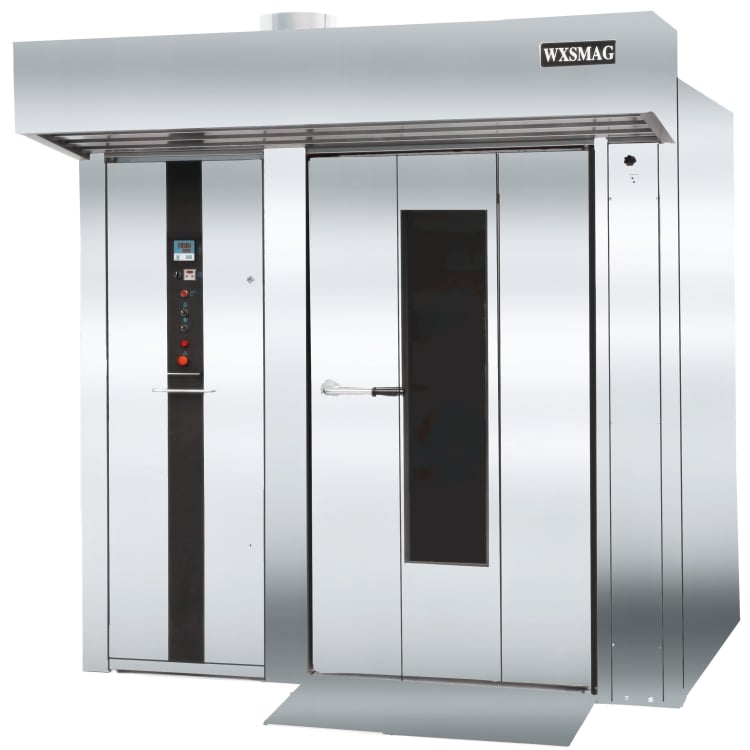
Rotary ovens maximize production capacity by rotating multiple racks of products through consistent heat zones, making them perfect for high-volume operations. These versatile units can handle various products simultaneously while maintaining precise temperature control throughout the baking cycle. The choice between different oven types depends on product mix, production volume, and space constraints within the commercial kitchen layout.
Specialized Heating Equipment
Proofing cabinets create controlled environments for yeast-based products, maintaining optimal temperature and humidity levels that encourage proper fermentation. These essential pieces of bakery equipment allow bakers to schedule production more effectively by controlling the timing of the proofing process. Advanced proofing systems offer programmable cycles that automatically adjust conditions based on product requirements.
Steam injection systems enhance oven capabilities by introducing controlled moisture during the initial baking phase. This technique creates the glossy crusts and improved oven spring characteristic of professional bread production. Steam systems can be integrated into existing ovens or purchased as standalone units that complement conventional baking equipment.
Cooling and Finishing Equipment
Commercial Cooling Systems
Proper cooling equipment ensures food safety while maintaining product quality throughout the post-baking process. Spiral cooling towers maximize floor space efficiency by moving products through controlled temperature zones that gradually reduce heat without compromising texture or structure. These systems are particularly important for bakery equipment operations producing large volumes of baked goods that require rapid cooling before packaging.
Blast chillers provide rapid temperature reduction for products that require immediate cooling, such as cream-filled pastries or frosted cakes. These units prevent bacterial growth while preserving the integrity of temperature-sensitive ingredients and decorative elements that might be damaged by extended exposure to ambient temperatures.
Finishing and Decorating Equipment
Professional decorating equipment enables bakeries to create visually appealing products that command premium pricing. Commercial-grade mixers designed specifically for frosting and icing preparation maintain consistent textures while incorporating air for light, spreadable results. These specialized units complement general-purpose bakery equipment by addressing specific finishing requirements.
Glazing and enrobing machines automate the application of chocolate coatings, fondant, or other finishing materials with precise control over thickness and coverage. These systems reduce labor costs while ensuring consistent product appearance that meets commercial quality standards across large production runs.
Storage and Display Equipment
Ingredient Storage Systems
Proper ingredient storage protects raw materials while supporting efficient production workflows. Flour silos and automated dispensing systems maintain ingredient freshness while reducing manual handling and potential contamination risks. These storage solutions integrate seamlessly with mixing equipment to create streamlined production processes that minimize labor requirements and improve consistency.
Temperature-controlled storage units preserve the quality of temperature-sensitive ingredients such as chocolate, butter, and dairy products. Professional bakery equipment includes refrigerated storage systems designed specifically for commercial food production, with features like automatic defrost cycles and precise temperature monitoring that ensure ingredient integrity throughout extended storage periods.
Product Display and Merchandising
Display cases showcase finished products while maintaining optimal temperature and humidity conditions that preserve freshness and visual appeal. Heated display cases keep warm products at safe serving temperatures while refrigerated units protect cream-filled and frosted items from spoilage. These merchandising solutions complement production-focused bakery equipment by supporting retail sales objectives.
Rotating display systems maximize product visibility while ensuring first-in, first-out inventory rotation that minimizes waste. Advanced display equipment includes lighting systems specifically designed to enhance the visual appeal of baked goods without generating excessive heat that might compromise product quality or safety.
Maintenance and Safety Considerations
Equipment Maintenance Programs
Regular maintenance schedules extend the operational life of bakery equipment while preventing costly breakdowns that disrupt production schedules. Professional maintenance programs address both routine cleaning requirements and mechanical adjustments that maintain optimal performance levels. Preventive maintenance protocols specific to commercial baking equipment help operators avoid emergency repairs and maintain consistent product quality.
Calibration procedures ensure that temperature controls, timing systems, and measurement devices maintain accuracy throughout extended use periods. These maintenance activities are particularly critical for bakery equipment that relies on precise environmental controls to achieve consistent results across multiple production cycles.
Safety and Compliance Features
Modern bakery equipment incorporates safety features that protect operators while maintaining compliance with food safety regulations. Emergency shut-off systems, safety interlocks, and protective guards prevent accidents while maintaining efficient production workflows. These safety systems are integrated into equipment designs without compromising operational efficiency or ease of use.
Sanitation features built into contemporary bakery equipment facilitate thorough cleaning and sanitizing procedures required for commercial food production. Removable components, smooth surfaces, and accessible cleaning points enable operators to maintain hygiene standards while minimizing downtime for cleaning activities.
Technology Integration and Automation
Digital Control Systems
Advanced bakery equipment features digital control systems that provide precise parameter control and automated operation cycles. These systems enable operators to store recipes, monitor production metrics, and adjust parameters based on environmental conditions or ingredient variations. Digital controls improve consistency while reducing the skill level required for routine operation of complex baking equipment.
Remote monitoring capabilities allow management to track equipment performance and production metrics from multiple locations. These systems can alert operators to maintenance requirements, temperature deviations, or other issues that might affect product quality or equipment reliability.
Integration with Production Management
Modern bakery equipment can integrate with broader production management systems that coordinate scheduling, inventory management, and quality control activities. These integrated systems optimize production efficiency by coordinating equipment operation with ingredient availability, order requirements, and staffing schedules.
Data collection capabilities built into contemporary bakery equipment support continuous improvement initiatives by providing detailed information about production efficiency, energy consumption, and maintenance requirements. This information enables operators to optimize processes and reduce operational costs while maintaining product quality standards.
FAQ
What is the most important piece of bakery equipment for starting a commercial bakery
The commercial oven represents the most critical investment for any bakery operation, as it directly impacts product quality, production capacity, and energy efficiency. While mixing equipment and other preparation tools are essential, the oven determines what products you can produce and how efficiently you can meet customer demand. Choose an oven type that matches your intended product mix and allows for future expansion.
How much space do I need for essential bakery equipment
A basic commercial bakery requires approximately 1,500 to 2,500 square feet to accommodate essential bakery equipment, work areas, and storage needs. This includes space for mixing stations, baking equipment, cooling areas, and ingredient storage. The exact space requirements depend on your production volume, product types, and workflow design preferences.
What is the average lifespan of commercial bakery equipment
Well-maintained commercial bakery equipment typically lasts 10 to 20 years, depending on usage intensity and maintenance quality. Ovens and heavy-duty mixing equipment often provide the longest service life, while smaller appliances and electronic components may require replacement more frequently. Regular maintenance and proper operation significantly extend equipment lifespan and maintain consistent performance.
Do I need specialized training to operate commercial bakery equipment
Most modern bakery equipment features intuitive controls that minimize training requirements, but proper instruction ensures safe operation and optimal results. Manufacturers typically provide operation manuals and may offer training programs for complex systems. Basic mechanical aptitude and understanding of baking principles help operators maximize equipment capabilities while maintaining safety standards.